

Symptom
Stiff Neck & Shoulders
The most common pattern we see
Tension, restricted motion, or chronic discomfort in the neck and upper shoulders. Postural strain plus repetitive motion plus stress is the trifecta we see most often.
By Dr. Logan Swaim · Last updated August 12, 2026
Get help with Stiff Neck & Shoulders
Three quick questions — we'll call you within 24 business hours.
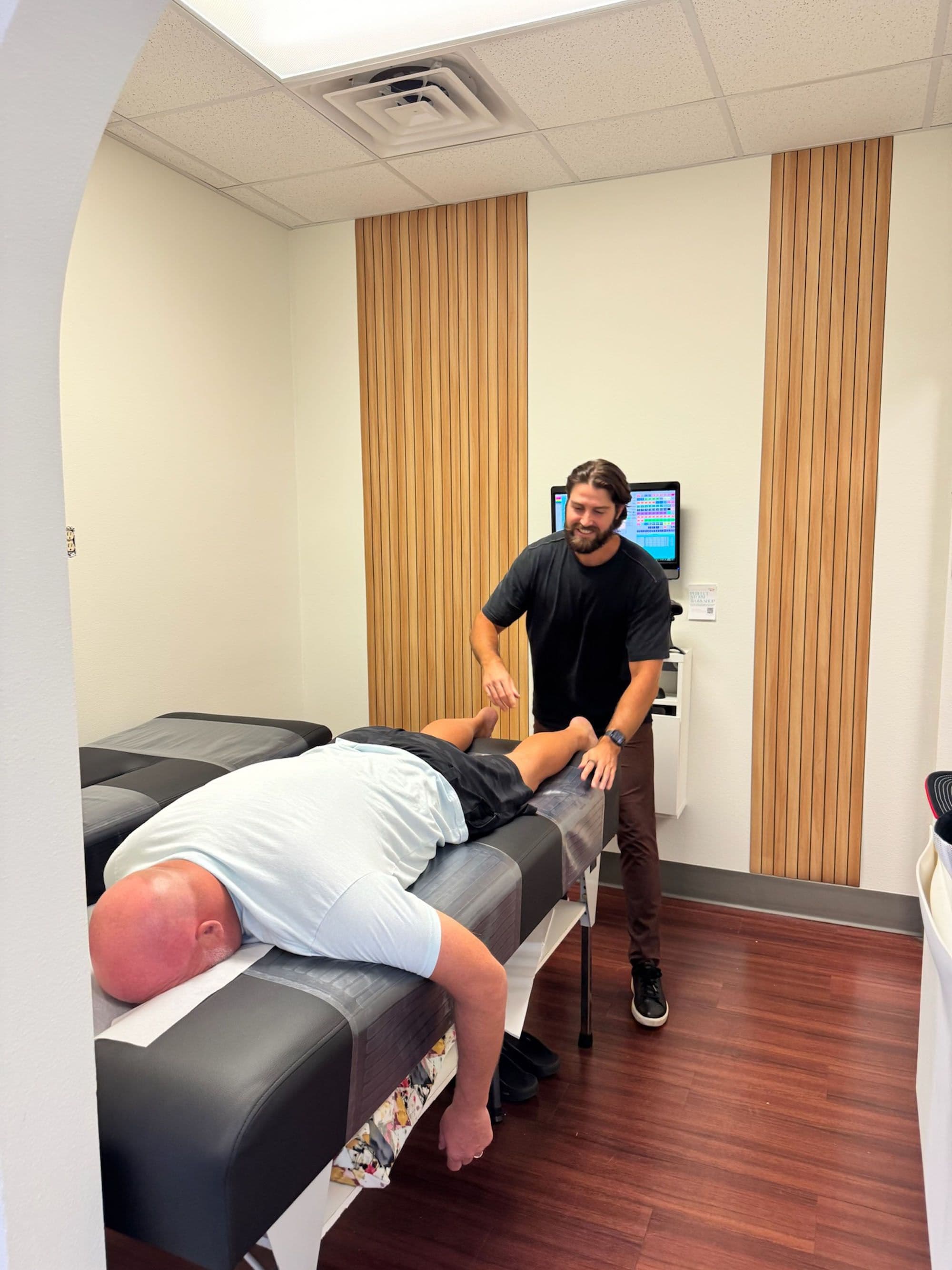
About Stiff Neck & Shoulders
A stiff neck and tight shoulders usually mean the muscles and joints across your upper spine and shoulder area have lost some of their easy range of motion. This region holds up the weight of your head all day and houses nerves that travel from the neck out to the shoulders, arms, and hands. When the joints here move poorly or the muscles stay clenched, those nerves can get irritated, which keeps the area feeling tight, sore, and slow to loosen up.
The pattern often comes from hours at a screen, looking down at a phone, sleeping in an awkward position, or repeating the same motion at work. Stress plays a big role too, since many people unconsciously raise and tense their shoulders when they are under pressure. Over time the muscles adapt to that shortened, guarded position, and the restricted motion starts to feel normal until a headache, a pinch, or limited turning reminds you it is there.
Our approach is to understand the whole picture before doing anything. We map the nervous system first with a thorough neurological evaluation to see how your neck and upper back are moving and where tension is building. Then we build a personalized care plan with gentle, hands-on care designed to support better motion and ease the strain, working alongside your medical care so it fits your routine and the demands your body actually faces.
Where We See This
Common contexts in our office
- Often follows long hours of desk and screen posture
- Common after frequent phone or tablet use
- Frequently shows up after stressful or high-pressure periods
- Tends to worsen with poor sleep position
The Nervous System Map
What this can be connected to
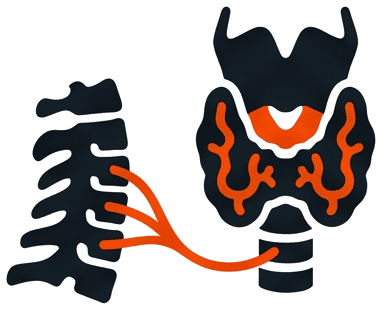
Per traditional chiropractic philosophy plus the patterns we see clinically, stiff neck & shoulders is often associated with these regions or systems. Click any to read more.
Spinal regions
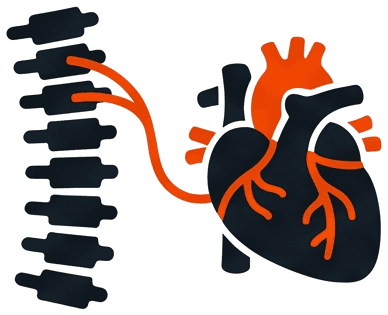
Body systems

When To Seek Medical Care
Talk to your doctor first if…
Most neck and shoulder stiffness is mechanical, but certain signs deserve prompt attention. Seek emergency care if neck pain follows a car accident, fall, or blow to the head, or if it comes with numbness, weakness, or pins-and-needles spreading down an arm. A stiff neck paired with a high fever, severe headache, sensitivity to light, or confusion should be evaluated immediately, as can a sudden severe headache unlike any you have had before. When stiffness is steadily getting worse rather than easing, check in with your doctor.
From Our Doctors
Hear it from the team
Dr. Logan Swaim — Red Light Therapy Overview”


Common Questions
About stiff neck & shoulders
Related Reading
Articles about stiff neck & shoulders
Tech Neck: The Modern Posture Epidemic Nobody's Talking About
If you spend hours a day looking at a phone or screen, your spine is paying the price. Here's what tech neck does to your body — and how to undo it.
Read articleMigraine vs. Tension Headache: How to Tell the Difference (and What Helps)
Migraines and tension headaches can feel similar but come from different mechanisms — and respond to different approaches. Here's how to tell them apart.
Read articleHow Sitting 8 Hours a Day Is Quietly Wrecking Your Spine
Modern work keeps you seated, but your spine wasn't built for that. Here's what prolonged sitting actually does to your body — and what may help.
Read articleWho You'll See
Doctors who see this every week
The Roots Health Centers is led by the same doctors at every visit — no rotating providers. Care starts with a full neurological evaluation, and a doctor walks you through what it found before anything else is recommended.



Inside the clinic
Where the work happens.

Dr. Fox at work.

Precision over pressure — care that addresses the cause.
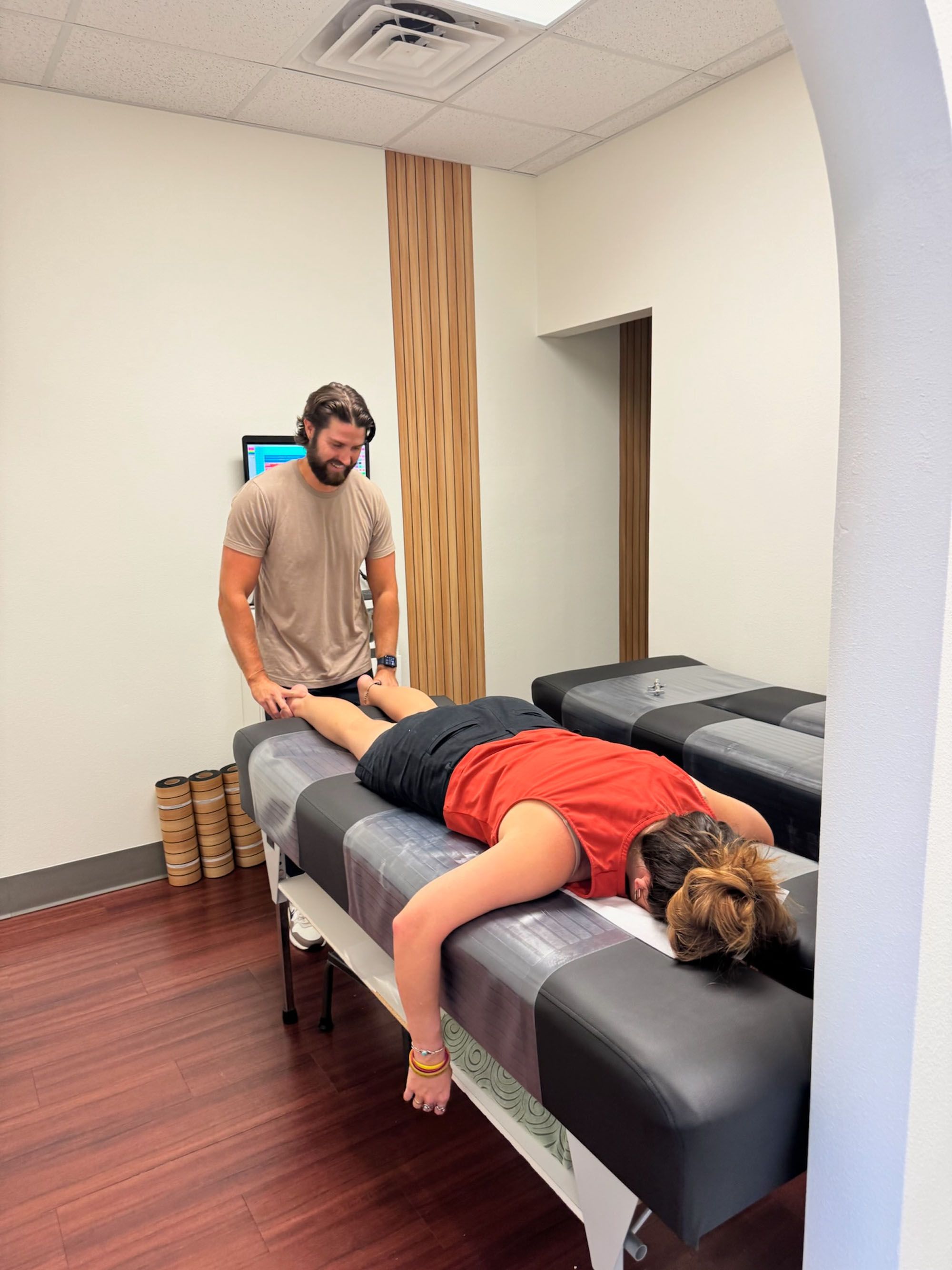
Precision over pressure.

Carly — patient care that feels like family.

Carly — patient care that feels like family.
Keep Exploring
Meet the team
This page is educational, not medical advice. Always consult your medical doctor for serious health concerns; chiropractic care complements but doesn't replace primary medical care.
Want a personalized look at your nervous system?
Start with a complimentary consultation. We use a neurological evaluation to map what's going on — no commitment, no cost.