

Symptom
Allergies & Congestion
Sinus, ENT, and immune patterns
Chronic congestion, sinus issues, or seasonal allergies. The upper cervical region houses nerves that influence sinus function and immune regulation.
By Dr. Logan Swaim · Last updated August 12, 2026
Get help with Allergies & Congestion
Three quick questions — we'll call you within 24 business hours.
About Allergies & Congestion
Allergies and congestion show up as a stuffy or runny nose, sinus pressure, sneezing, post-nasal drip, and that foggy, blocked-up feeling that can linger for weeks. The nervous system plays a quiet but important role here. The nerves in the upper neck and at the base of the skull help direct how the sinuses drain, how blood flows through the tissues of the nose and face, and how the immune system reads and responds to everyday triggers like pollen, dust, and pet dander. When those nerves are communicating clearly, the body tends to manage these signals more smoothly.
Congestion rarely shows up out of nowhere. For many people it follows familiar patterns, flaring with the seasons, after a cold, in homes with mold or dust, or during periods of stress and poor sleep when the body is already running on empty. Tension and restriction in the upper neck can add to the load, since that area is closely tied to how the head and sinuses regulate themselves. Looking at the whole picture, the triggers, the timing, and how the nervous system is functioning, often tells a fuller story than treating the stuffy nose alone.
Our approach starts with a thorough evaluation to understand how the nervous system is functioning and what patterns might be contributing to ongoing congestion. From there, we offer gentle, hands-on care personalized to what we find, with the goal of supporting how the body regulates sinus function and immune response. This care is designed to work alongside the guidance of your physician or your child's pediatrician, never in place of it. Allergy testing, medications, and medical management remain important, and we are glad to be one supportive part of a bigger team.
Where We See This
Common contexts in our office
- Seasonal flare-ups tied to pollen, grass, or mold counts
- Lingering stuffiness after a cold or respiratory bug
- Year-round congestion in homes with dust, pets, or dampness
- Sinus pressure that worsens with stress or poor sleep
The Nervous System Map
What this can be connected to
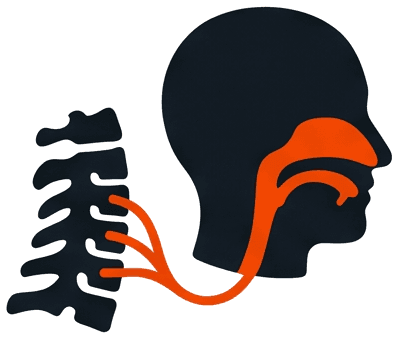
Per traditional chiropractic philosophy plus the patterns we see clinically, allergies & congestion is often associated with these regions or systems. Click any to read more.
Spinal regions
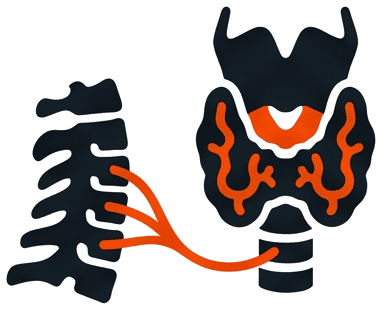
Body systems

When To Seek Medical Care
Talk to your doctor first if…
Some breathing and sinus symptoms need a doctor right away. Get emergency care for any trouble breathing, wheezing, swelling of the lips, tongue, or throat, or signs of a severe allergic reaction (anaphylaxis), which is a medical emergency, call 911. See your physician or your child's pediatrician promptly for a high fever, thick discolored drainage with facial pain that keeps getting worse, congestion lasting many weeks without relief, ear pain, or any congestion in an infant that interferes with feeding or sleep. This page is educational and is not a substitute for medical evaluation.
From Our Doctors
Hear it from the team
Dr. Logan Swaim — Three Pillar Health Approach”
More from the team
Related Conditions
Conditions we commonly see this with


Common Questions
About allergies & congestion
Related Reading
Articles about allergies & congestion
What Is a Chiropractic Neurological Evaluation? How We Measure Your Nervous System
A chiropractic neurological evaluation uses surface EMG, thermal scanning, and heart rate variability to show how your nervous system is actually functioning — not just where it hurts. Here is what each measurement means and why it matters for your care.
Read articleWhat Is Corrective Chiropractic — And How Is It Different?
Most chiropractors focus on temporary symptom relief. Corrective chiropractic is designed to make lasting structural changes — here's how.
Read articleWho You'll See
Doctors who see this every week
The Roots Health Centers is led by the same doctors at every visit — no rotating providers. Care starts with a full neurological evaluation, and a doctor walks you through what it found before anything else is recommended.



Inside the clinic
Where the work happens.
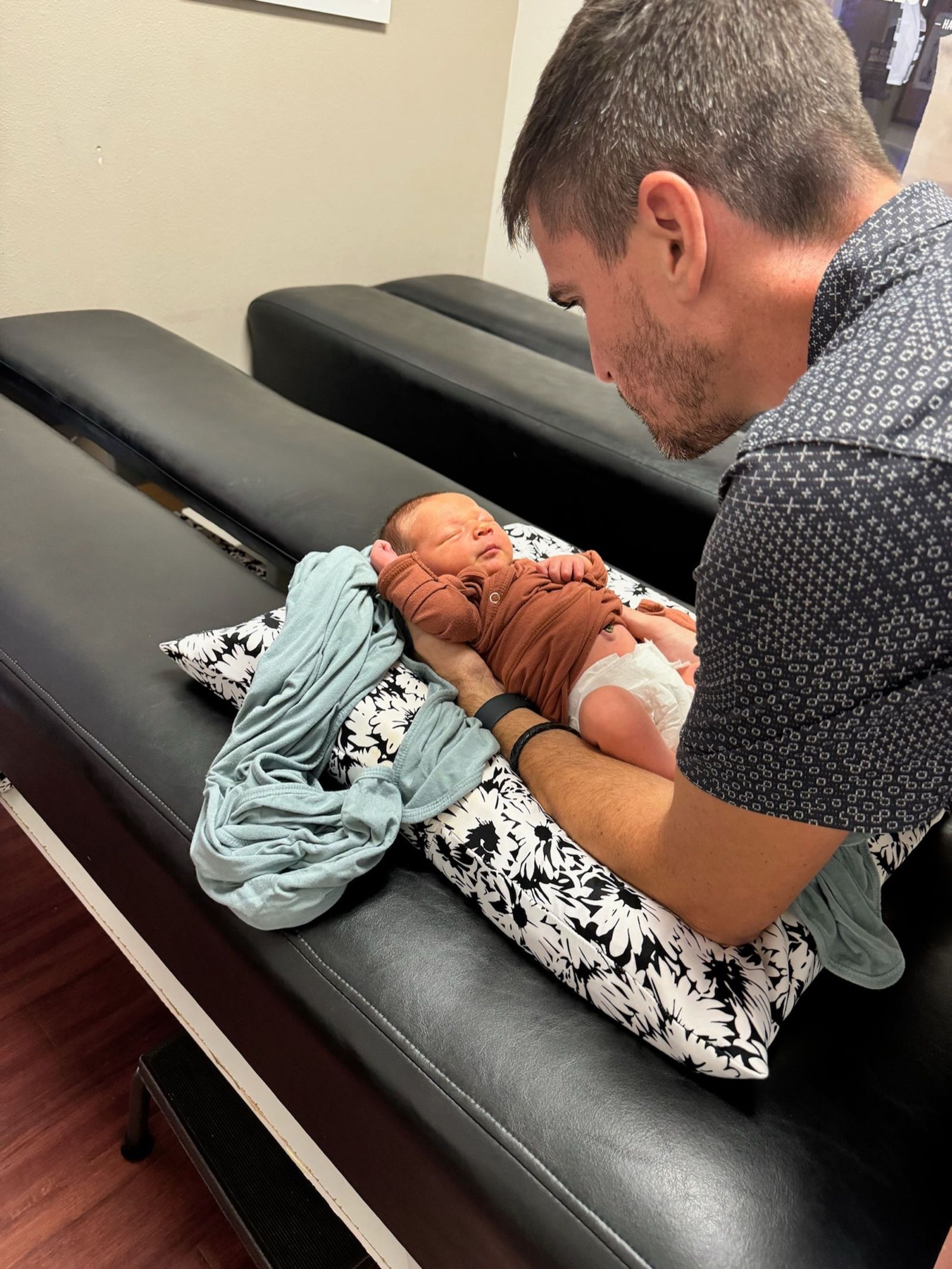
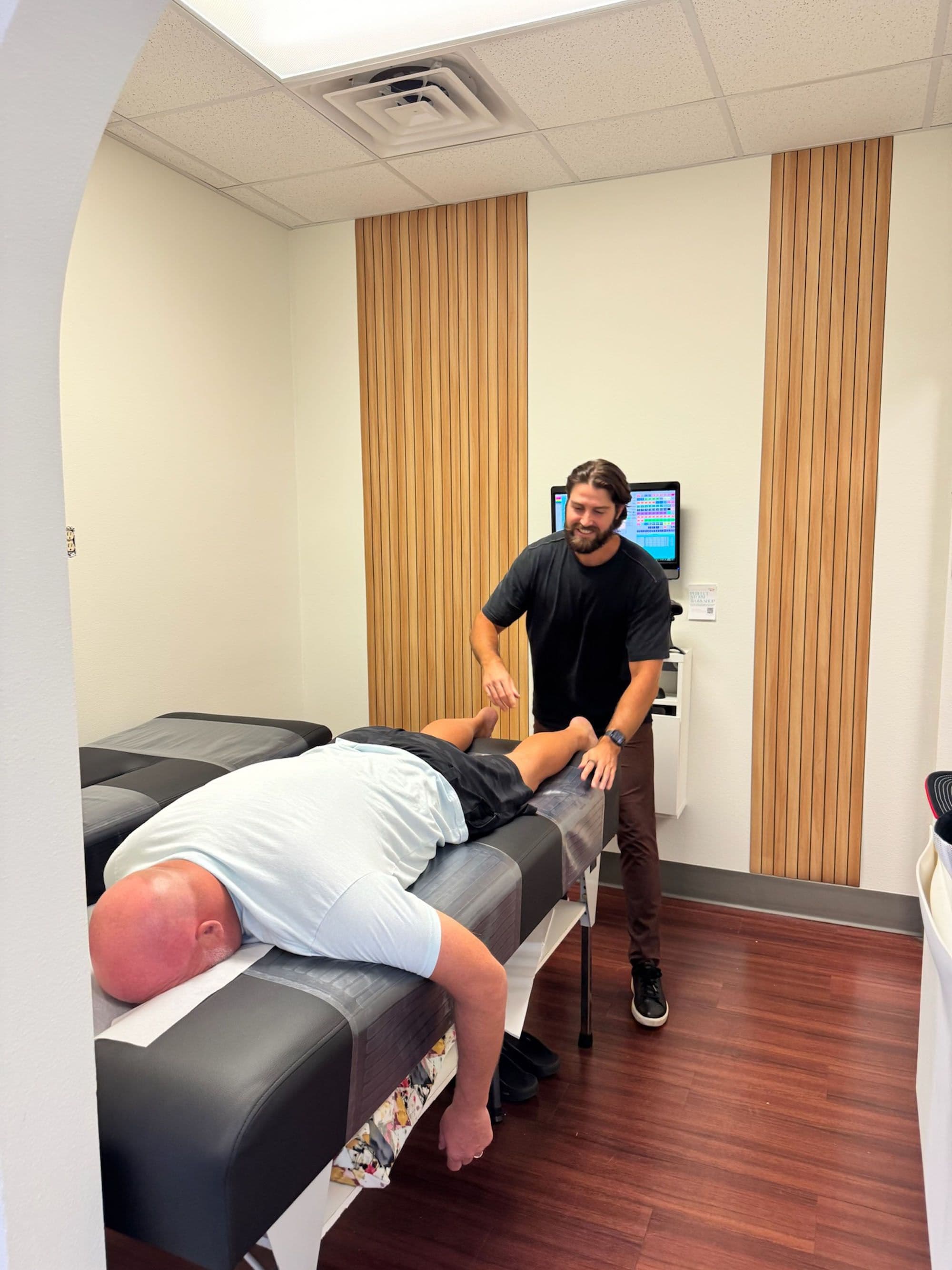
Dr. Logan in the office.
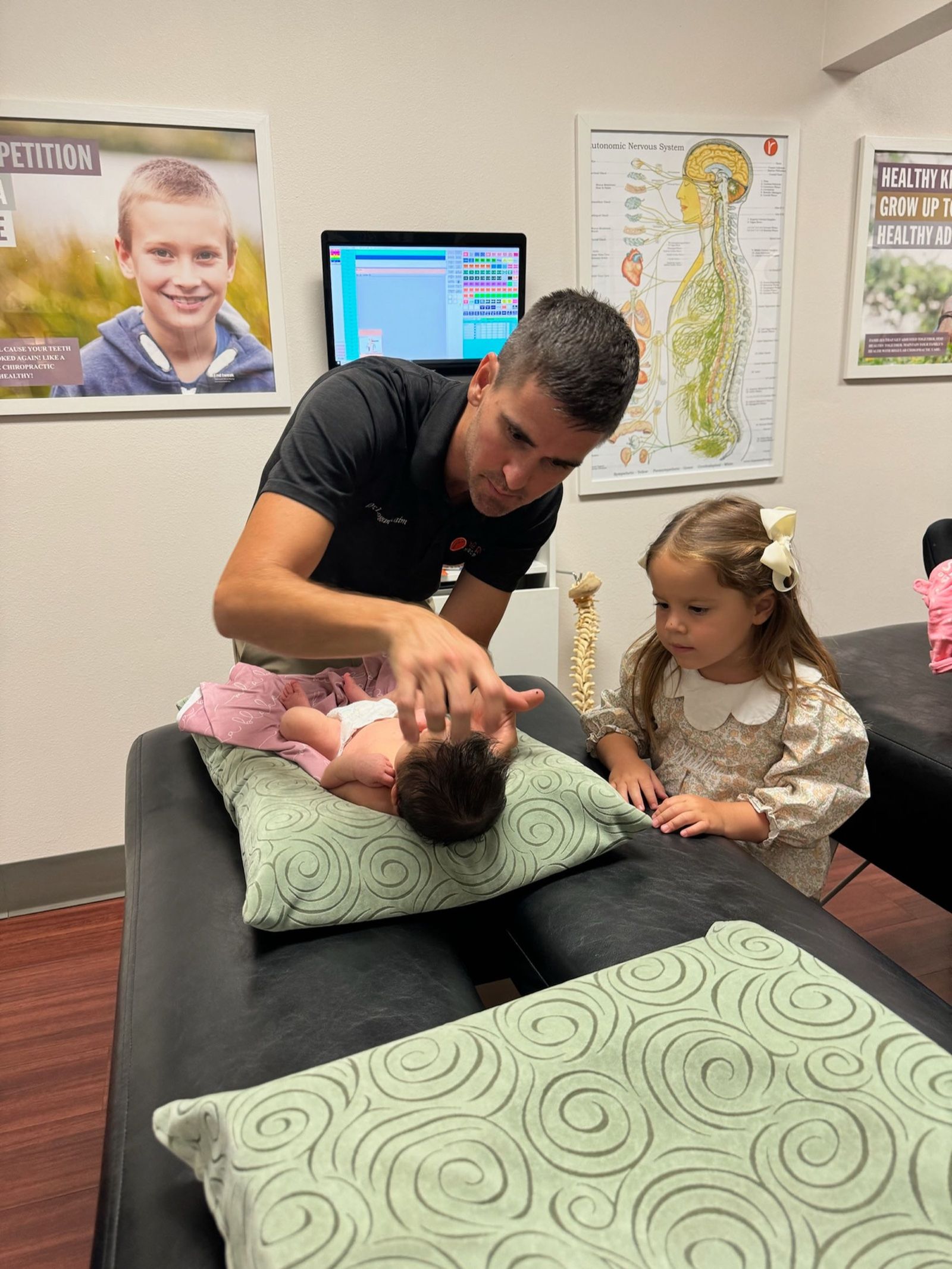
Dr. Logan in the office.

Dr. Fox at work.
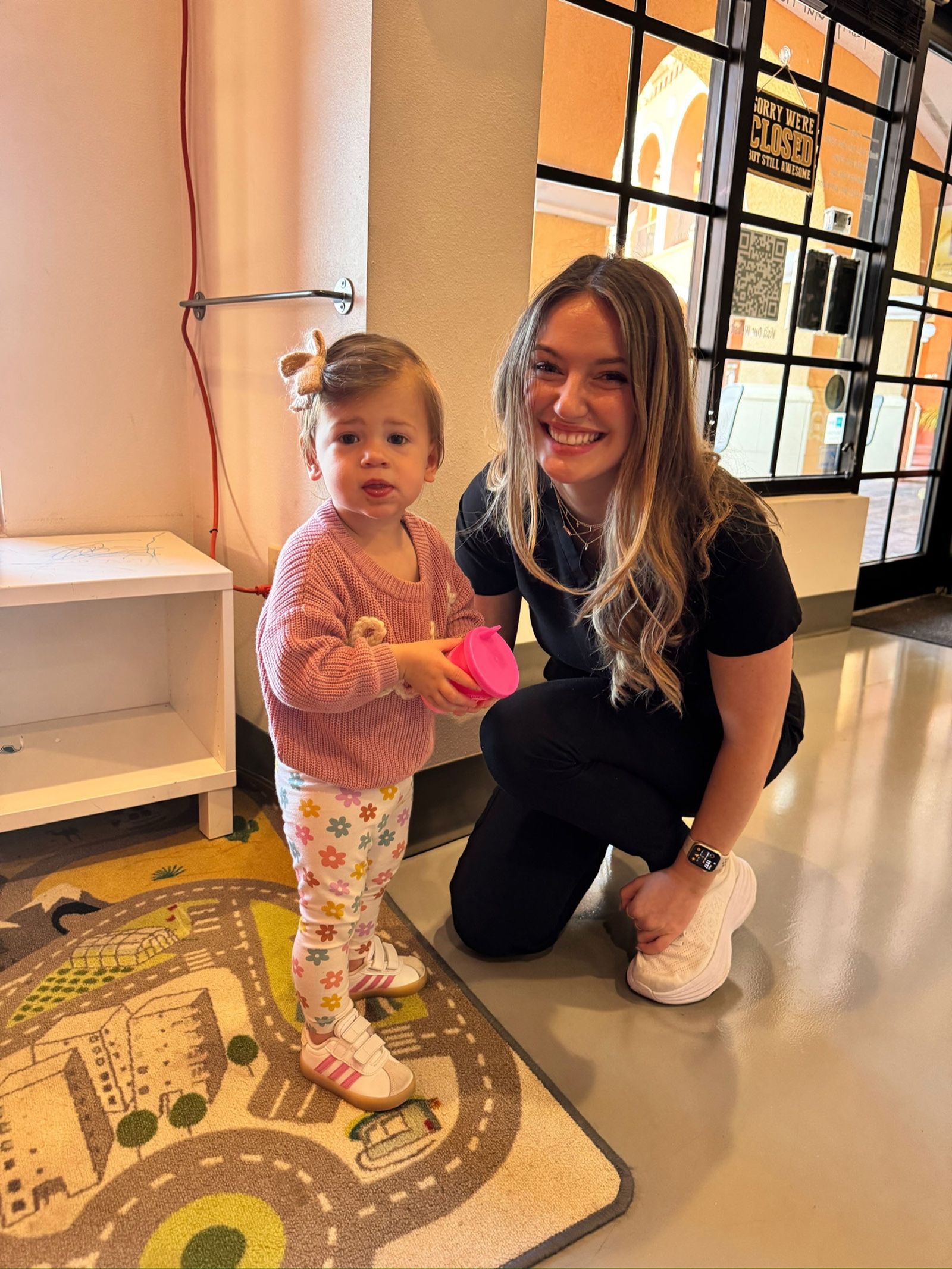
Carly — patient care that feels like family.
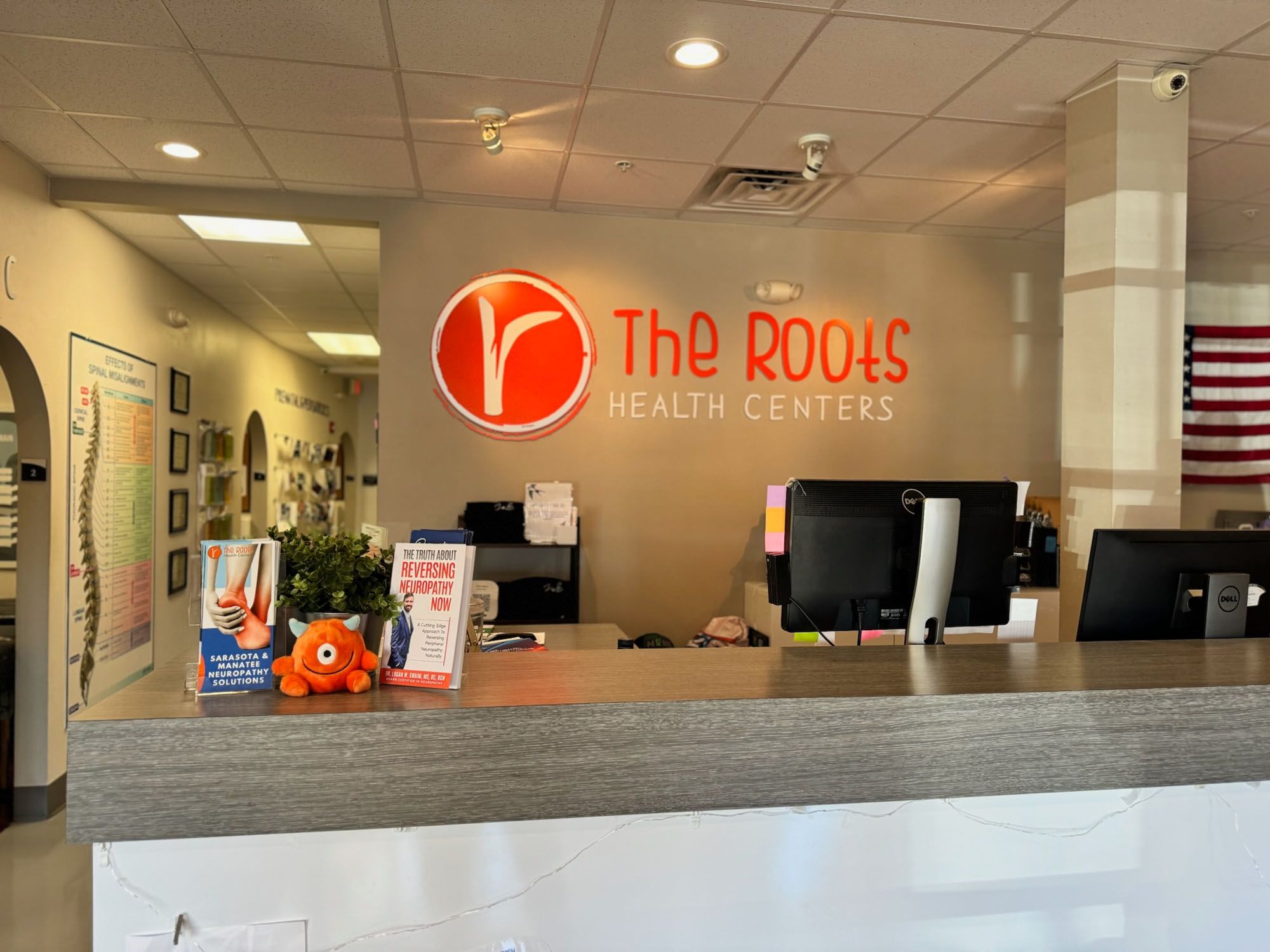
Dr. Logan's neuropathy book — free at every visit.

Dr. Laura in the office.
Keep Exploring
Meet the team
This page is educational, not medical advice. Always consult your medical doctor for serious health concerns; chiropractic care complements but doesn't replace primary medical care.
Want a personalized look at your nervous system?
Start with a complimentary consultation. We use a neurological evaluation to map what's going on — no commitment, no cost.