

Condition
Autoimmune Inflammation Support
Your medical team manages the diagnosis. We support what's underneath.
Patients with Hashimoto's, lupus, rheumatoid arthritis, and other autoimmune conditions often find that managing the diagnosis doesn't fully address the pain, fatigue, and systemic inflammation they live with. Red light therapy and nervous system care offer a complementary layer that works alongside your medical plan.
By Dr. Logan Swaim · Last updated May 22, 2026
Get help with Autoimmune Inflammation Support
Three quick questions — we'll call you within 24 business hours.
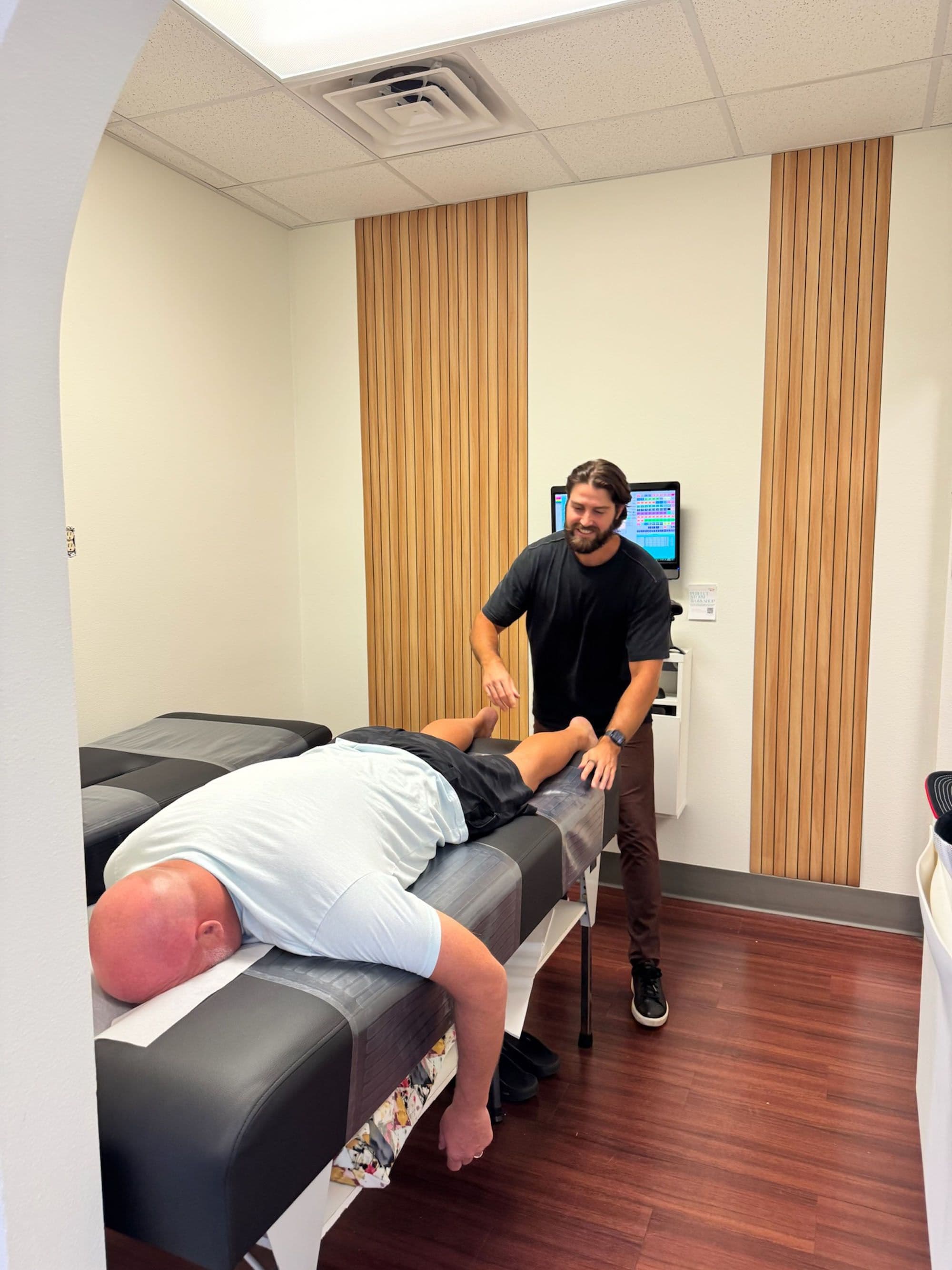
Understanding Autoimmune Inflammation Support
What It Is & Why It Happens
Autoimmune conditions represent some of the most complex health challenges people live with — and the medical community is the right place to manage them. Immunosuppressive therapy, thyroid hormone replacement, DMARDs, and the careful monitoring that goes with autoimmune diagnoses are not areas where chiropractic care substitutes or competes. What we address is the layer underneath: the chronic systemic inflammation, the musculoskeletal pain, the nervous system dysregulation, and the fatigue that persist even in patients who are medically managed and otherwise doing everything right.
Red light therapy is particularly well-supported for patients with autoimmune-related inflammation. Low-level laser energy at specific wavelengths penetrates to the mitochondrial level, supporting cellular energy production (ATP synthesis), reducing oxidative stress, and downregulating pro-inflammatory cytokines — including those implicated in autoimmune flares. This is not immune suppression; it's cellular support for tissues that are chronically dealing with an inflammatory environment.
The nervous system connection is also meaningful. The autonomic nervous system plays a significant role in immune regulation through the cholinergic anti-inflammatory pathway — essentially, healthy vagal tone acts as a natural brake on inflammatory signaling. Upper cervical misalignment that creates mechanical stress in the brainstem region can reduce parasympathetic tone and contribute to a higher-inflammatory baseline. Corrective care in this region is a non-pharmacological way to support the nervous system's own regulation of inflammation. We communicate openly with your medical team and never recommend changes to your prescribed plan.
Common Symptoms
Signs You Might Be Dealing With Autoimmune Inflammation Support
- Joint pain and stiffness that fluctuates and is not fully controlled by medication
- Chronic fatigue that persists despite adequate sleep and medical management
- Widespread muscle aches and inflammation between flares
- Sensitivity to physical and emotional stress — flares triggered by either
- Brain fog, difficulty concentrating, or slowed cognition
- Gut symptoms associated with systemic inflammation (bloating, irregular digestion)
- Poor exercise tolerance and prolonged recovery after activity
How We Help
Our Treatment Approach
- Red light therapy targeting systemic inflammation and mitochondrial support
- Upper cervical neurological evaluation to assess autonomic (vagal) tone
- Torque Release Technique adjustments to support parasympathetic nervous system function
- Load-appropriate care pacing — respecting flare periods and managing session intensity accordingly
- Open coordination with your rheumatologist, endocrinologist, or primary care provider
From Our Doctors
Hear it from the team
Dr. Logan Swaim — Red Light Therapy Overview”
Services That Help
Treatments for Autoimmune Inflammation Support
Red Light Therapy
Medical-grade red light therapy in a private, full-body room. Our DAHLIA Pinnacle Bed supports chronic pain, recovery, skin health, gut and neurometabolic health, and weight management — as part of a personalized care plan. Photobiomodulation that goes beyond a consumer sauna.
Learn More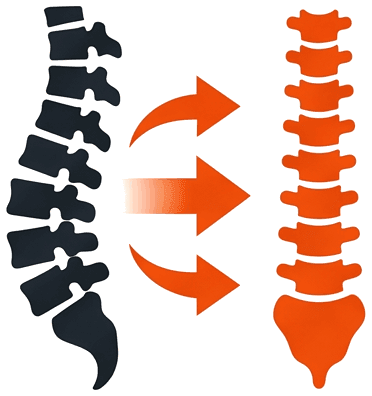
Corrective Chiropractic
Precise, progressive corrections that produce lasting structural change — not just temporary relief. Think of it like orthodontics for your spine.
Learn MoreRelated Symptoms
Symptoms Often Linked to Autoimmune Inflammation Support





Read More
Articles About Autoimmune Inflammation Support
Red Light Therapy: 6 Evidence-Based Benefits Worth Knowing About
Red light therapy has real research behind it — for pain, recovery, skin, and metabolic health. Here's what the evidence actually supports, and what a session looks like.
What Is the Torque Release Technique — And Why Do We Use It?
Torque Release Technique is one of the most researched and precise chiropractic adjusting methods available. Here's why it's at the core of everything we do.
Common Questions
Frequently Asked Questions
Who You'll See
Doctors who see this every week
The Roots Health Centers is led by the same doctors at every visit — no rotating providers. Care starts with a full neurological evaluation, and a doctor walks you through what it found before anything else is recommended.


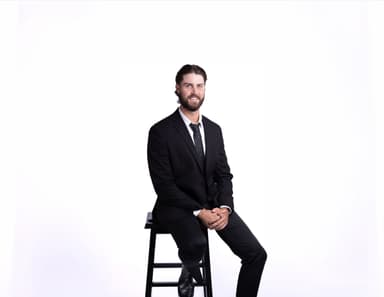
Care for autoimmune inflammation support
Inside the plan.
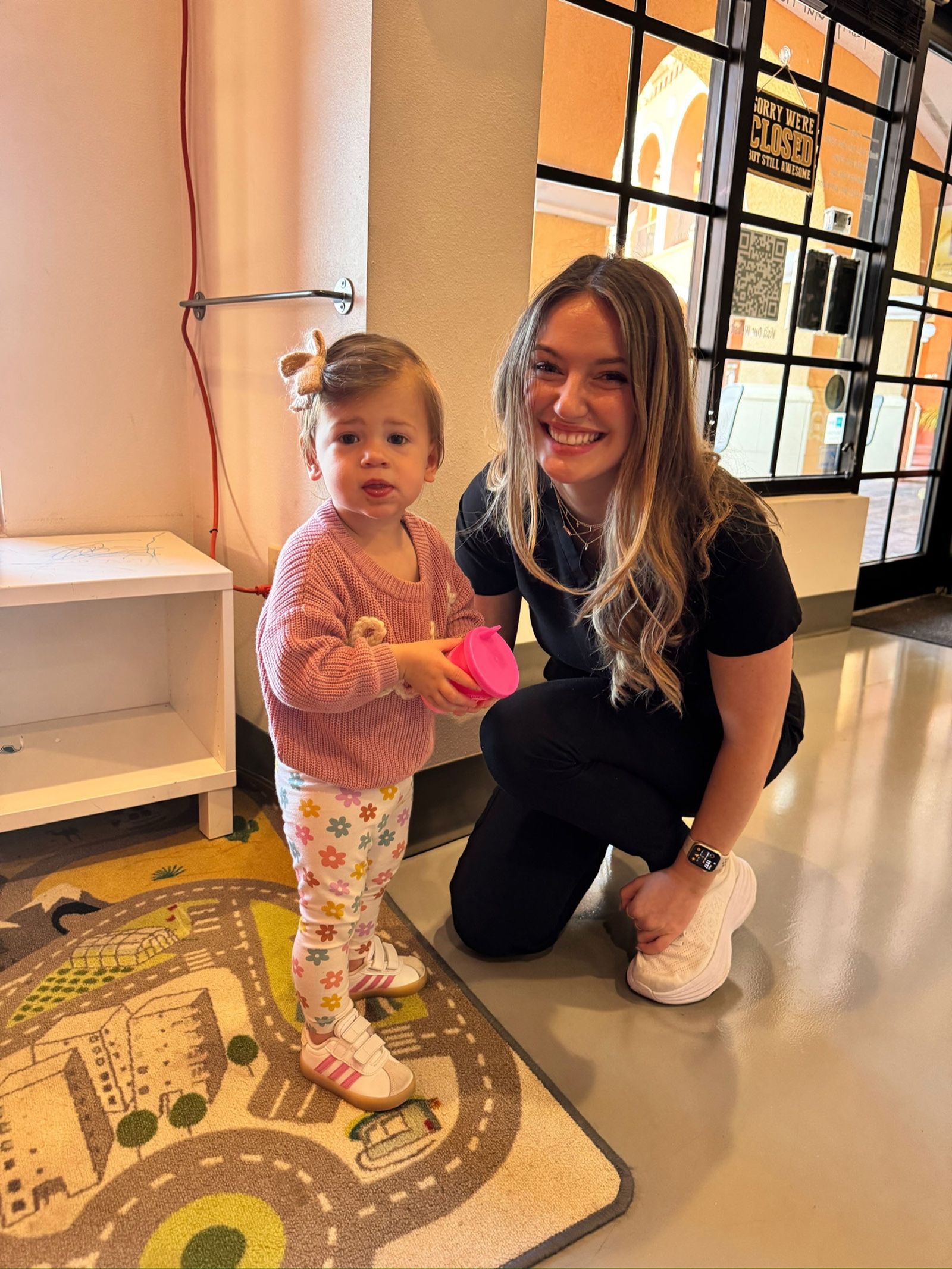
Carly — patient care that feels like family.

Dr. Laura in the office.
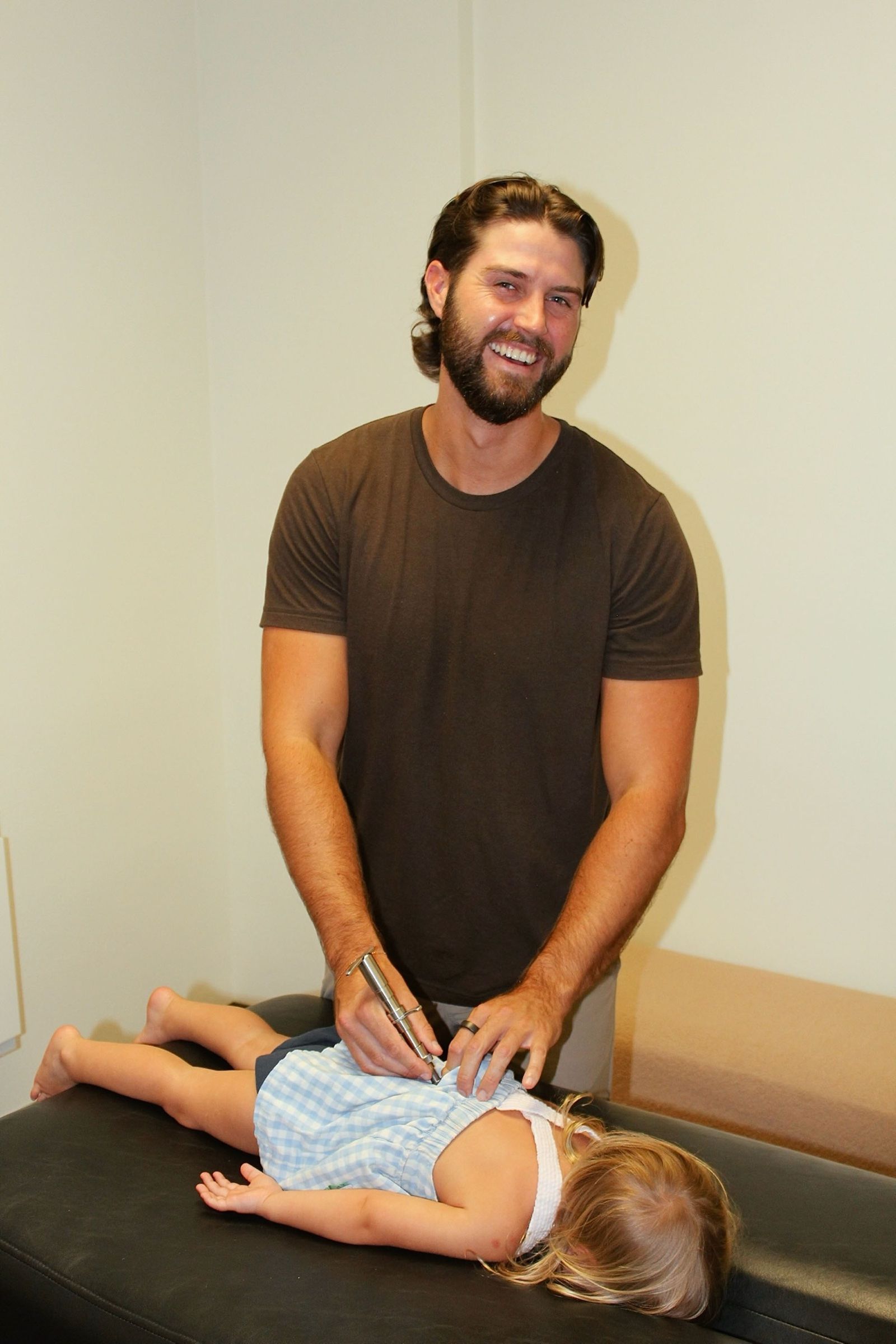
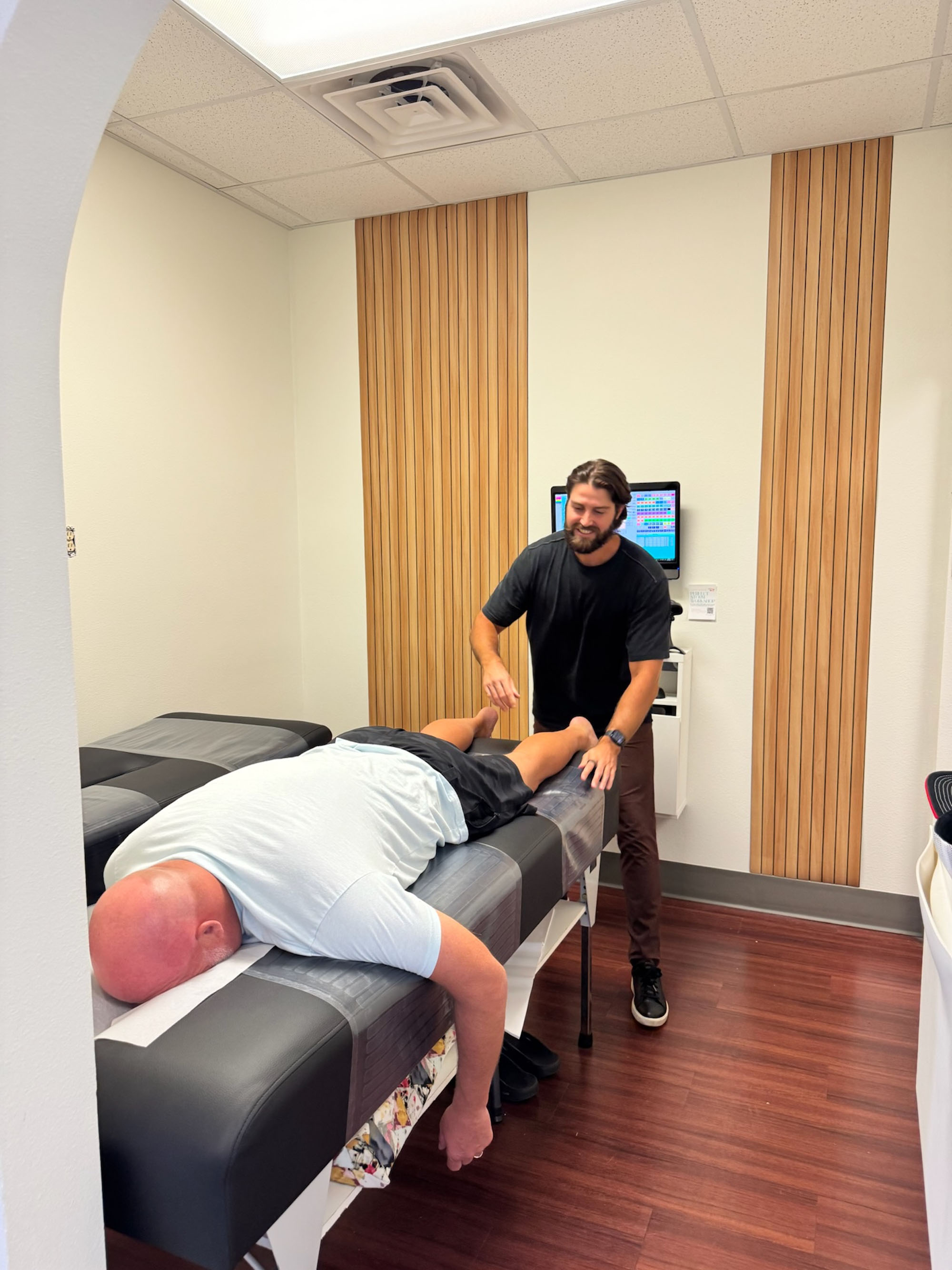
Precision over pressure — care that addresses the cause.
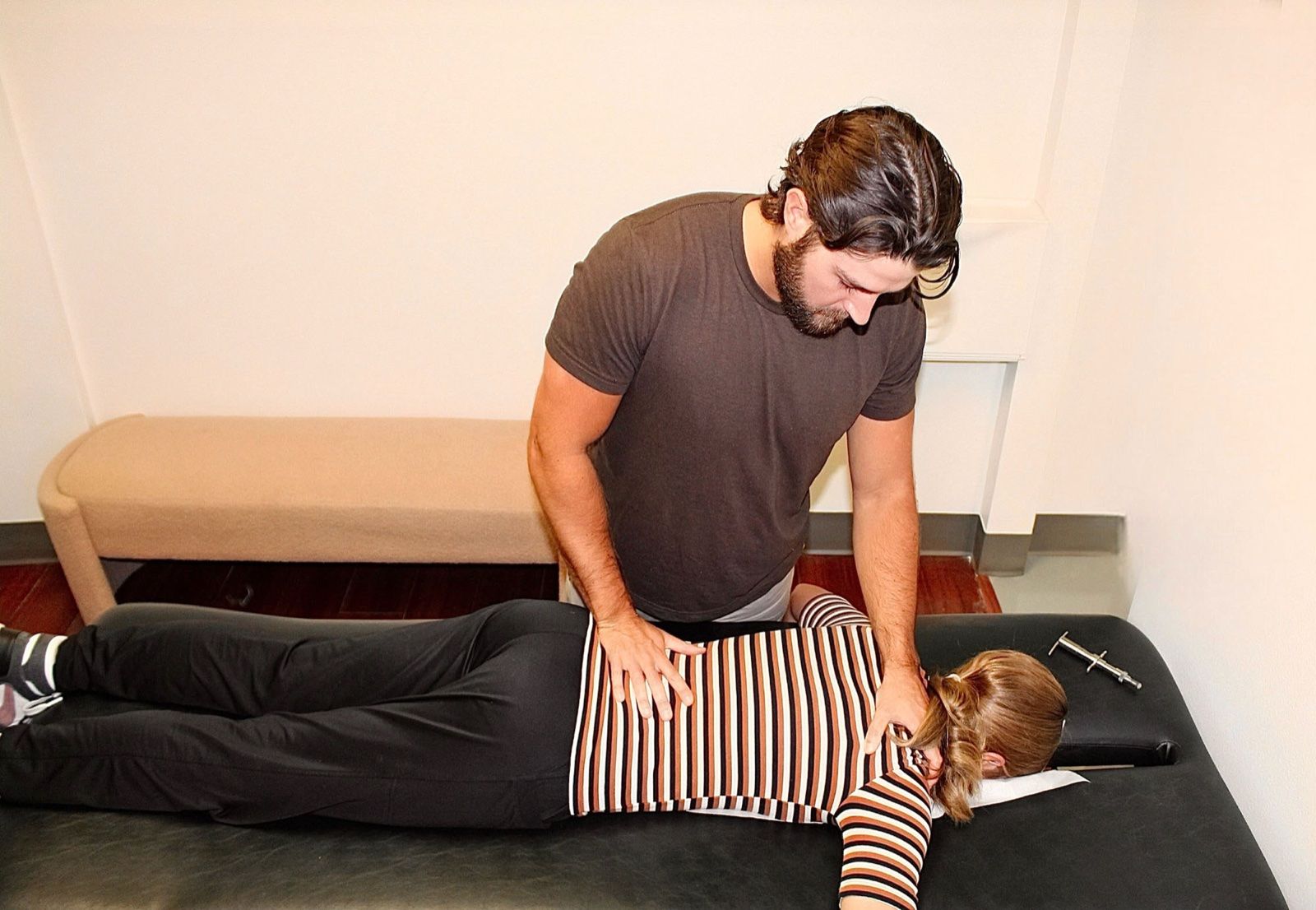
Dr. Fox at work.
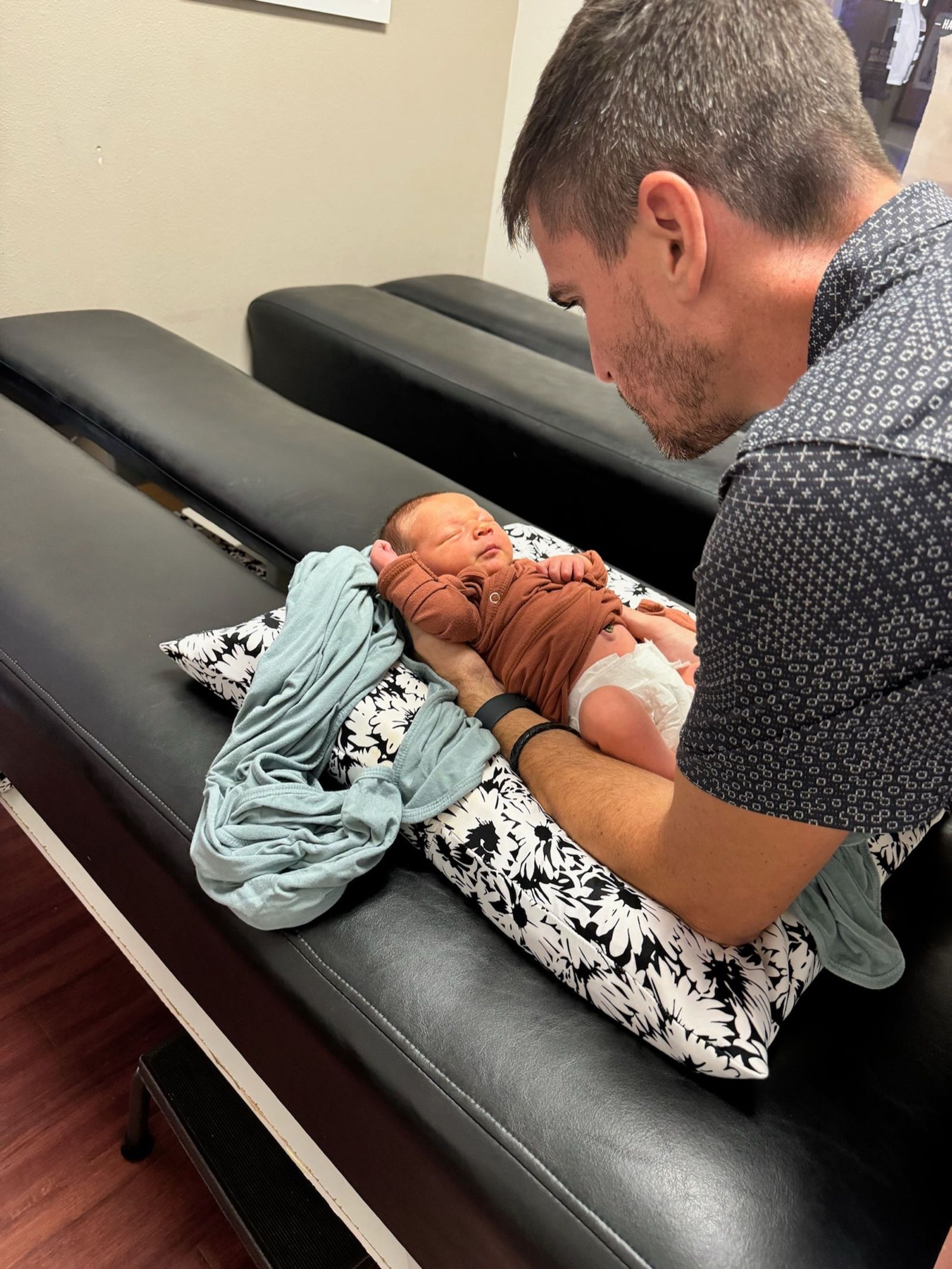
Dr. Logan in the office.
Dr. Logan's neuropathy book — free at every visit.
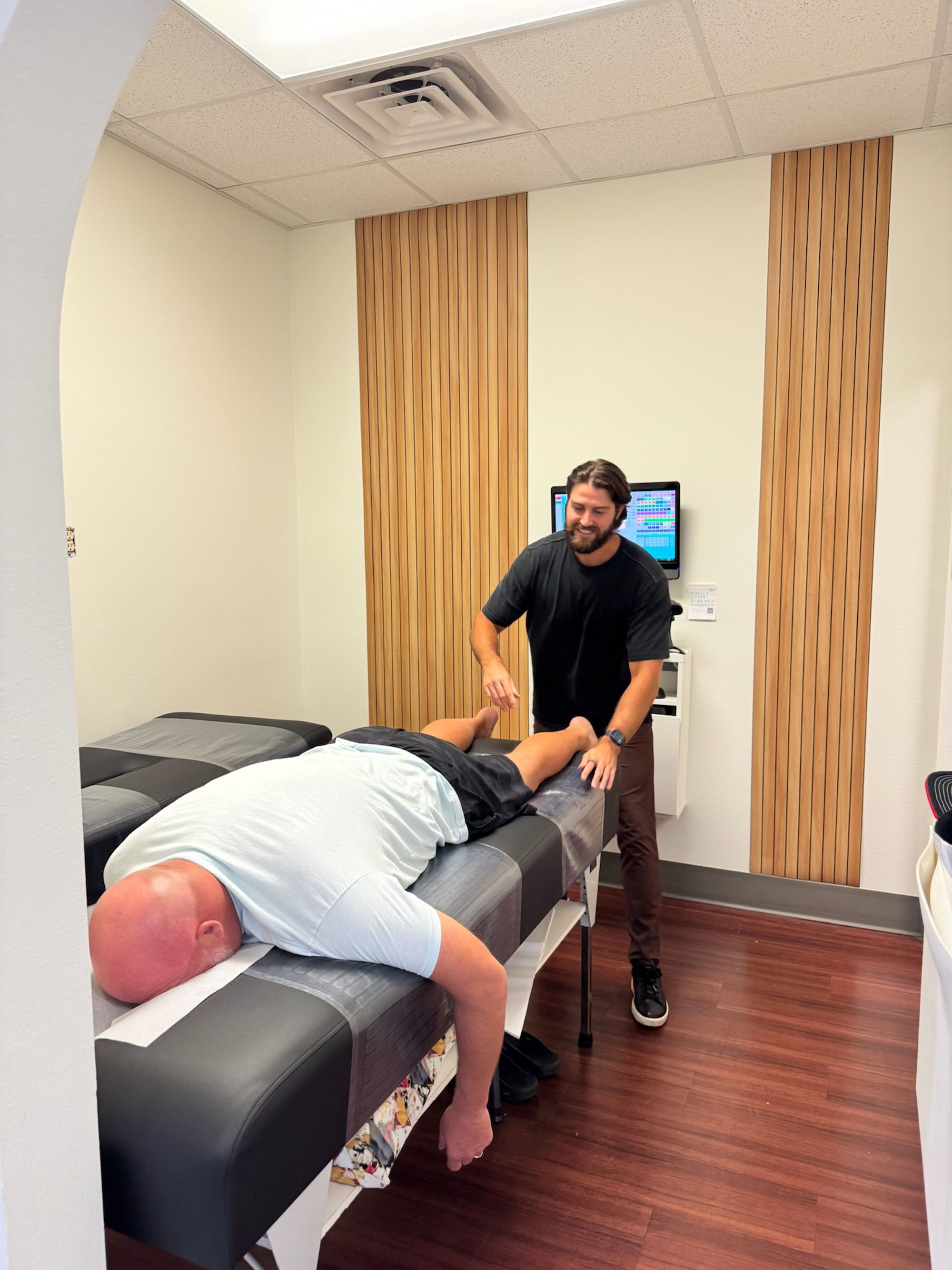
Precision over pressure — care that addresses the cause.
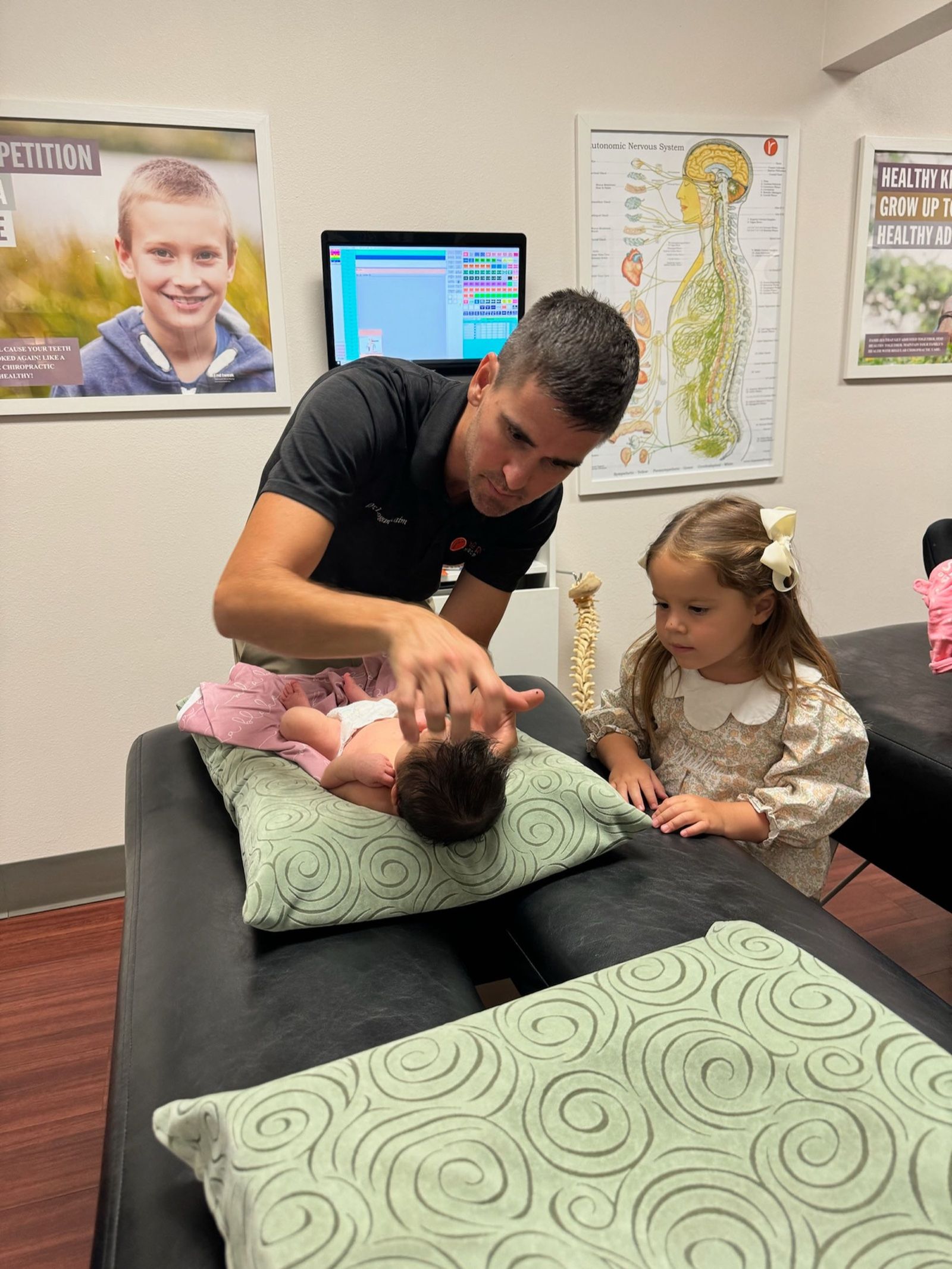
Dr. Logan in the office.
Keep Exploring
See patient case studies
Real Patient Stories
Real patients.
Documented, start to finish.
Ready to Address
the Root Cause?
Schedule a comprehensive exam and let's build a plan that actually works.
*Includes consultation, neurological exam, scans & x-rays (if needed)