

Symptom
Asthma
A respiratory condition warranting medical care first
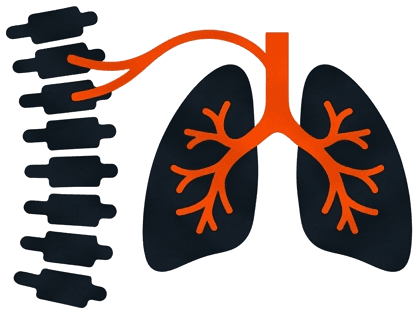
Asthma is a serious respiratory condition that requires primary medical management. The upper thoracic region houses nerves that influence respiratory function, and chiropractic care can complement (never replace) standard asthma treatment.
By Dr. Logan Swaim · Last updated August 12, 2026
Get help with Asthma
Three quick questions — we'll call you within 24 business hours.
About Asthma
Asthma is a chronic respiratory condition where the airways become inflamed and narrow, which can make breathing harder during a flare. People often notice wheezing, coughing, chest tightness, or shortness of breath, and triggers range from allergens and cold air to exercise and respiratory infections. The nerves that run from the upper-thoracic spine help regulate the muscles involved in breathing and the airways themselves, so this part of the nervous system is part of the broader picture of respiratory function. That nervous-system connection is one reason we look at how well the body is regulating itself, rather than focusing on a single area.
Asthma rarely shows up the same way in two people. Some live with daily symptoms, while others only flare around specific triggers or seasons. Stress, poor sleep, and a nervous system stuck in a heightened state can ride alongside flares for some people, and physical tension through the upper back and rib cage is a common pattern we see in the office. None of these are the cause of asthma, but they are part of the day-to-day experience, and they are part of what we pay attention to when we look at how the nervous system is functioning.
Asthma is a real medical condition that needs care from your physician, and your inhalers, controller medications, and asthma action plan come first, always. Our role is complementary support for nervous-system regulation alongside that medical care, never a replacement for it. We start with a thorough neurological evaluation to understand how your nervous system is functioning, and we are glad to coordinate with your medical team so everyone is working from the same page. If your breathing changes, your physician remains the person who manages your asthma.
Where We See This
Common contexts in our office
- Wheezing or chest tightness that comes and goes
- Symptoms that flare with exercise, allergens, or cold air
- Upper-back and rib-cage tension alongside breathing changes
- A nervous system that feels stuck in a heightened, on-edge state
The Nervous System Map
What this can be connected to
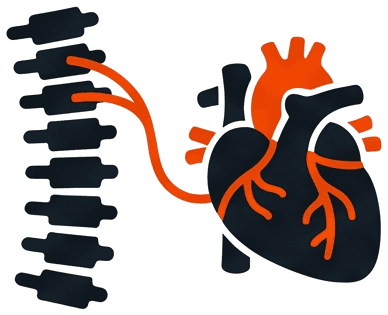
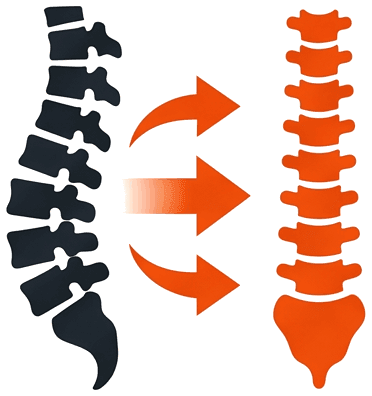
Per traditional chiropractic philosophy plus the patterns we see clinically, asthma is often associated with these regions or systems. Click any to read more.
Spinal regions
Body systems
When To Seek Medical Care
Talk to your doctor first if…
Asthma is a serious respiratory condition that requires ongoing care from your physician, and our support is only ever complementary to that plan. Keep using your inhalers and follow your asthma action plan as prescribed. Seek emergency care right away if you have severe shortness of breath, your rescue inhaler is not helping, your lips or fingertips look bluish, you cannot speak in full sentences, or breathing becomes a struggle. Any change in how often or how severely you flare is a conversation to have with your physician, who manages your asthma treatment.
From Our Doctors
Hear it from the team
Dr. Logan Swaim — Three Pillar Health Approach”
More from the team


Common Questions
About asthma
Related Reading
Articles about asthma
What Is a Chiropractic Neurological Evaluation? How We Measure Your Nervous System
A chiropractic neurological evaluation uses surface EMG, thermal scanning, and heart rate variability to show how your nervous system is actually functioning — not just where it hurts. Here is what each measurement means and why it matters for your care.
Read articleWhat Is Corrective Chiropractic — And How Is It Different?
Most chiropractors focus on temporary symptom relief. Corrective chiropractic is designed to make lasting structural changes — here's how.
Read articleFamily Chiropractic: What Happens When Your Whole Family Gets Adjusted
Most families discover chiropractic through one person. Then something shifts — and suddenly everyone's under care. Here's why that keeps happening at Little Roots.
Read articleWho You'll See
Doctors who see this every week
The Roots Health Centers is led by the same doctors at every visit — no rotating providers. Care starts with a full neurological evaluation, and a doctor walks you through what it found before anything else is recommended.



Inside the clinic
Where the work happens.
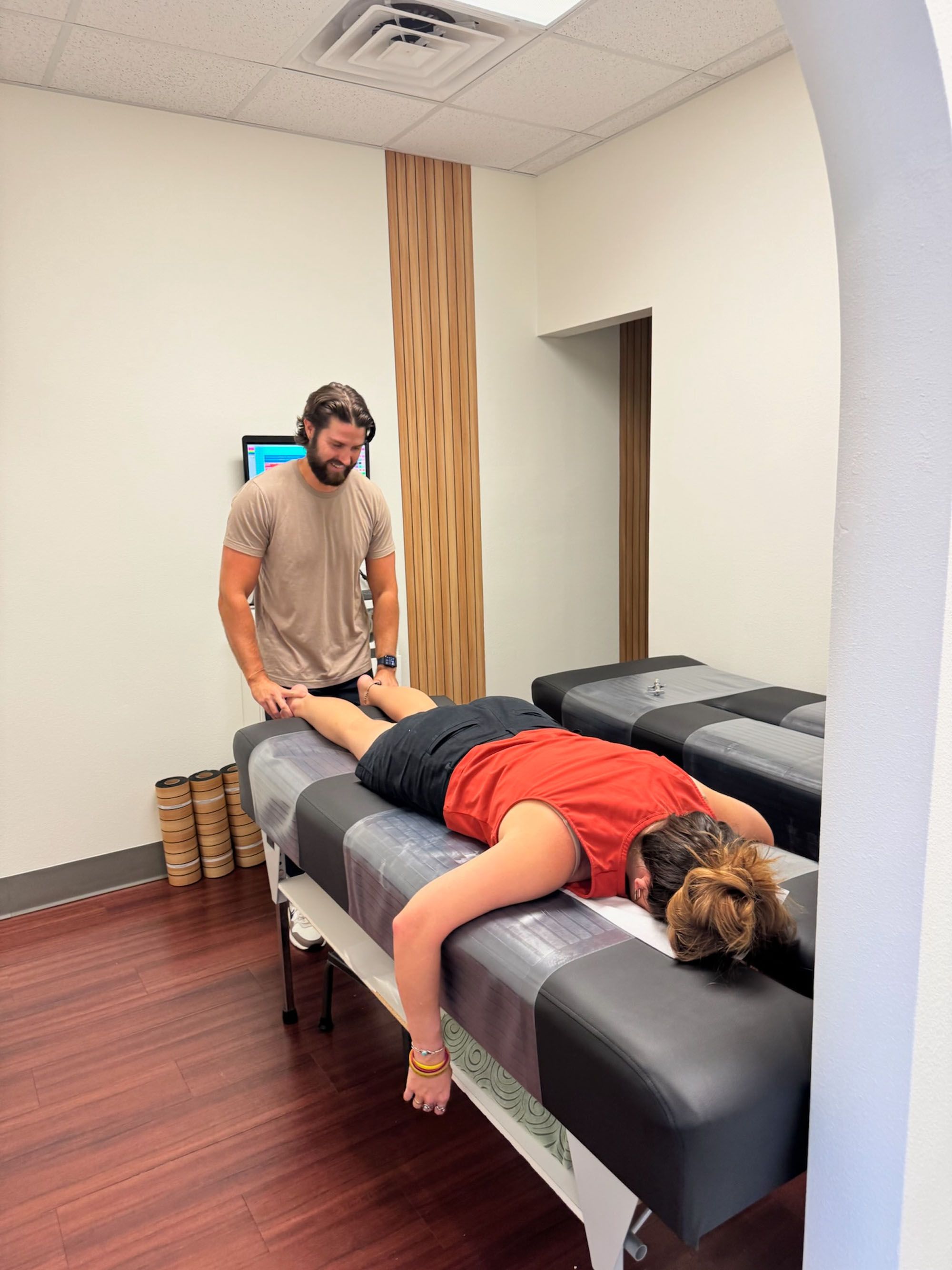
Precision over pressure.

Precision over pressure — care that addresses the cause.
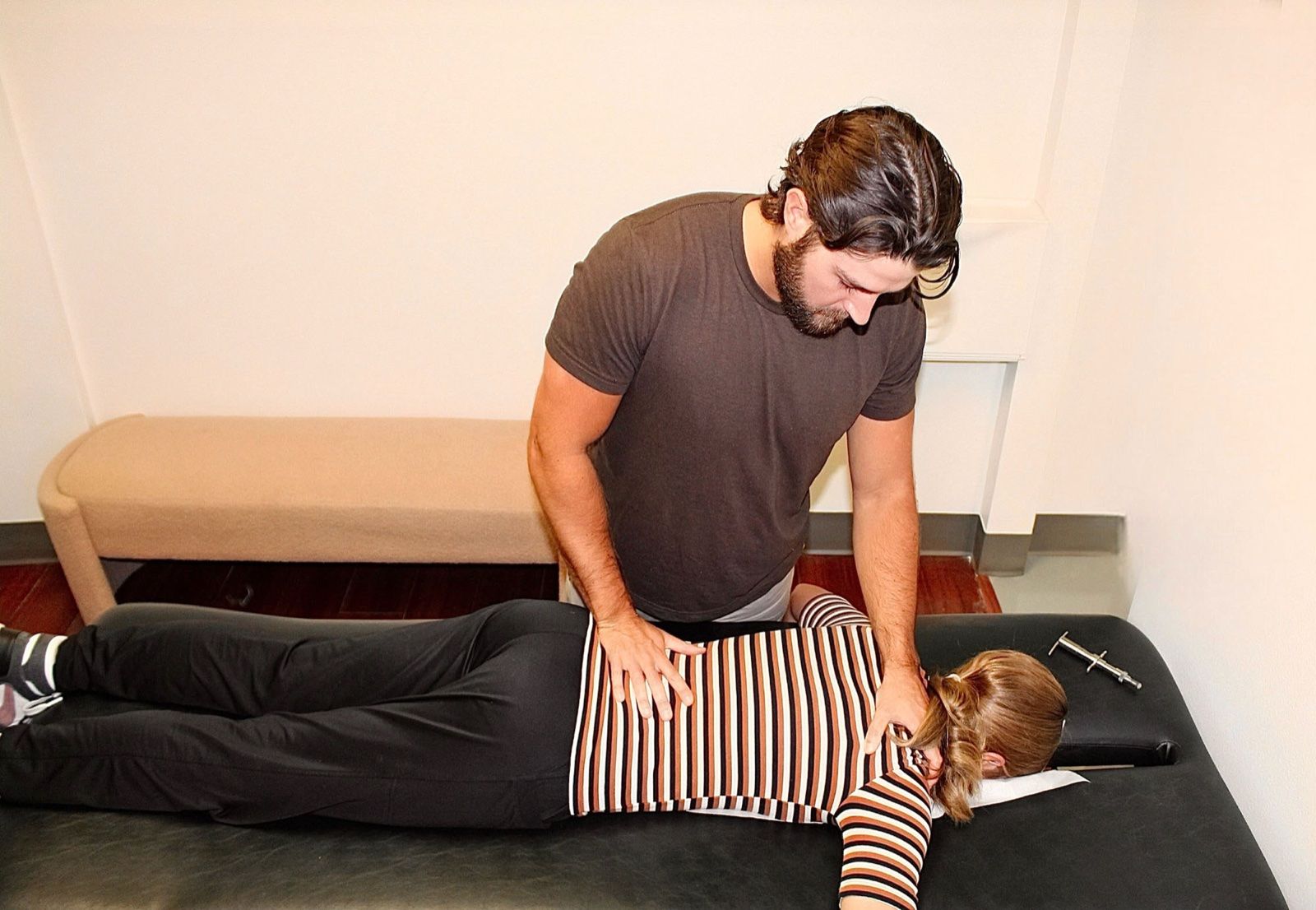
Dr. Fox at work.

Dr. Laura in the office.

Dr. Logan's neuropathy book — free at every visit.
Keep Exploring
Meet the team
Please see your medical doctor first about this concern. Chiropractic care is a complementary approach to support nervous-system regulation alongside (not in place of) appropriate medical care.
Want a personalized look at your nervous system?
Start with a complimentary consultation. We use a neurological evaluation to map what's going on — no commitment, no cost.