

Symptom
Bloating
Persistent abdominal distension or fullness
Recurring abdominal bloating or fullness. Often interrelated with food sensitivities, gut-brain dysregulation, and lower thoracic nerve involvement.
By Dr. Logan Swaim · Last updated August 12, 2026
Get help with Bloating
Three quick questions — we'll call you within 24 business hours.
About Bloating
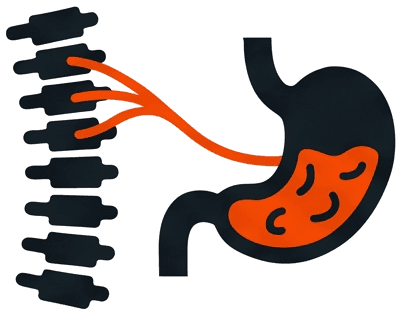
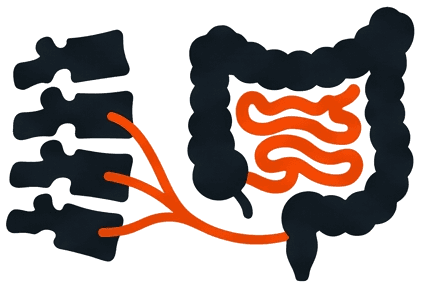
Bloating is that uncomfortable feeling of fullness, pressure, or visible swelling in the belly, often worse after meals or as the day goes on. Digestion is not only about the stomach and gut. It is closely directed by the nervous system, which tells the digestive organs when to move, relax, and process food. Nerves from the lower-thoracic spine help supply and coordinate this activity. When that signaling is dysregulated, the gut can move sluggishly or unevenly, trapping gas and leaving you feeling distended.
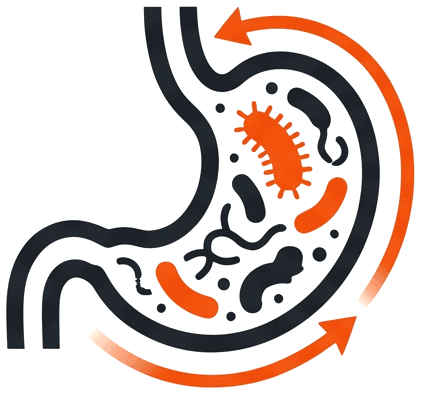
Common drivers include food sensitivities, eating quickly or under stress, an imbalanced gut, hormonal shifts, and a gut-brain connection that is out of sync. That gut-brain link matters: stress and tension can change how the digestive system behaves, which is why bloating often worsens during demanding stretches and eases when you relax. Because the lower-thoracic nerves influence digestive function, structural tension in the mid-back can be part of the pattern people do not expect.
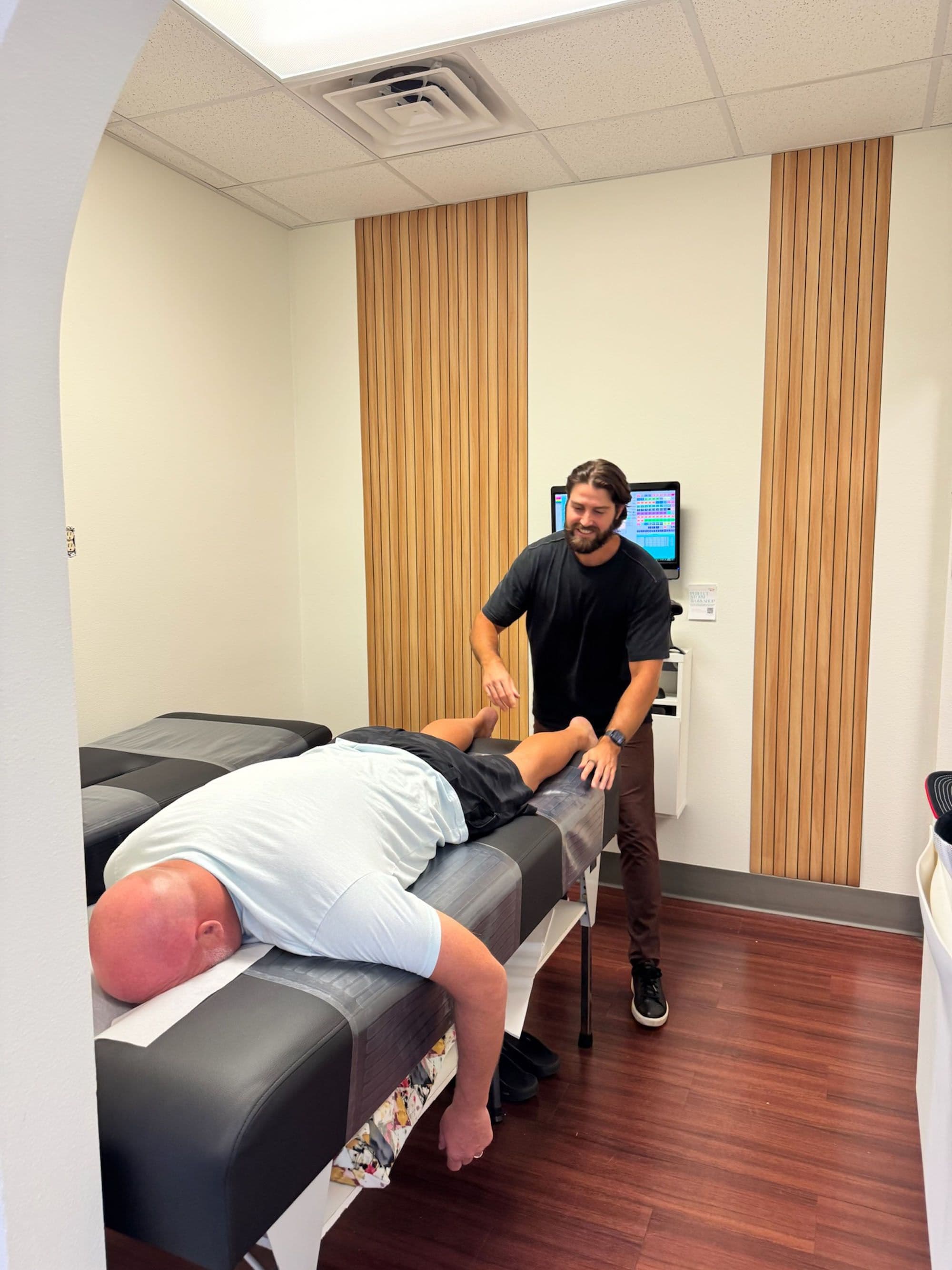
Our approach connects the gut to the nervous system that runs it. We map the nervous system first with a thorough neurological evaluation, including how the mid-back and the regulating side of your nervous system are functioning. From there we build a personalized care plan with gentle, hands-on care meant to support better regulation, working alongside your medical care, any dietary guidance, and the work of your physician or dietitian.
Where We See This
Common contexts in our office
- Often worse after meals or later in the day
- Common with food sensitivities and quick eating
- Frequently flares during stressful periods
- Tends to track with hormonal shifts
The Nervous System Map
What this can be connected to
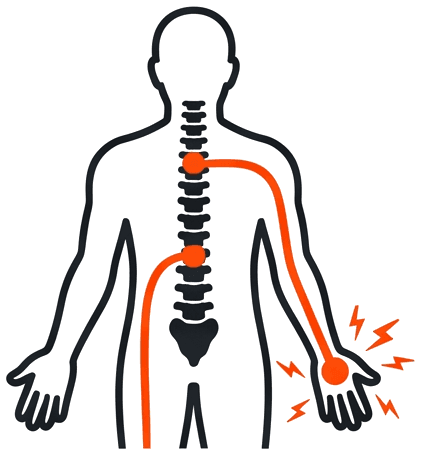
Per traditional chiropractic philosophy plus the patterns we see clinically, bloating is often associated with these regions or systems. Click any to read more.
Spinal regions
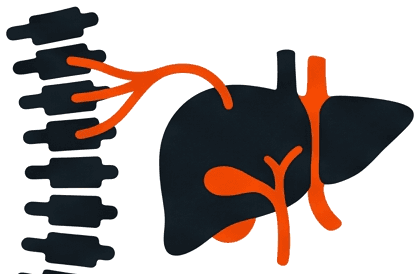
Body systems
When To Seek Medical Care
Talk to your doctor first if…
Bloating is usually harmless, but some signs need a doctor's attention. Seek prompt medical care for blood in your stool or black, tarry stools, unexplained weight loss, persistent vomiting, or trouble swallowing. Severe, sudden, or steadily worsening abdominal pain, a hard or rigid belly, or bloating with fever should be evaluated right away. Ongoing changes in your bowel habits, or bloating that does not let up over weeks, are worth checking with your physician to rule out conditions that need medical management.
From Our Doctors
Hear it from the team
Dr. Logan Swaim — Three Pillar Health Approach”
More from the team

Common Questions
About bloating
Related Reading
Articles about bloating
What Is a Chiropractic Neurological Evaluation? How We Measure Your Nervous System
A chiropractic neurological evaluation uses surface EMG, thermal scanning, and heart rate variability to show how your nervous system is actually functioning — not just where it hurts. Here is what each measurement means and why it matters for your care.
Read articleWhat Is Corrective Chiropractic — And How Is It Different?
Most chiropractors focus on temporary symptom relief. Corrective chiropractic is designed to make lasting structural changes — here's how.
Read articleFamily Chiropractic: What Happens When Your Whole Family Gets Adjusted
Most families discover chiropractic through one person. Then something shifts — and suddenly everyone's under care. Here's why that keeps happening at Little Roots.
Read articleWho You'll See
Doctors who see this every week
The Roots Health Centers is led by the same doctors at every visit — no rotating providers. Care starts with a full neurological evaluation, and a doctor walks you through what it found before anything else is recommended.



Inside the clinic
Where the work happens.
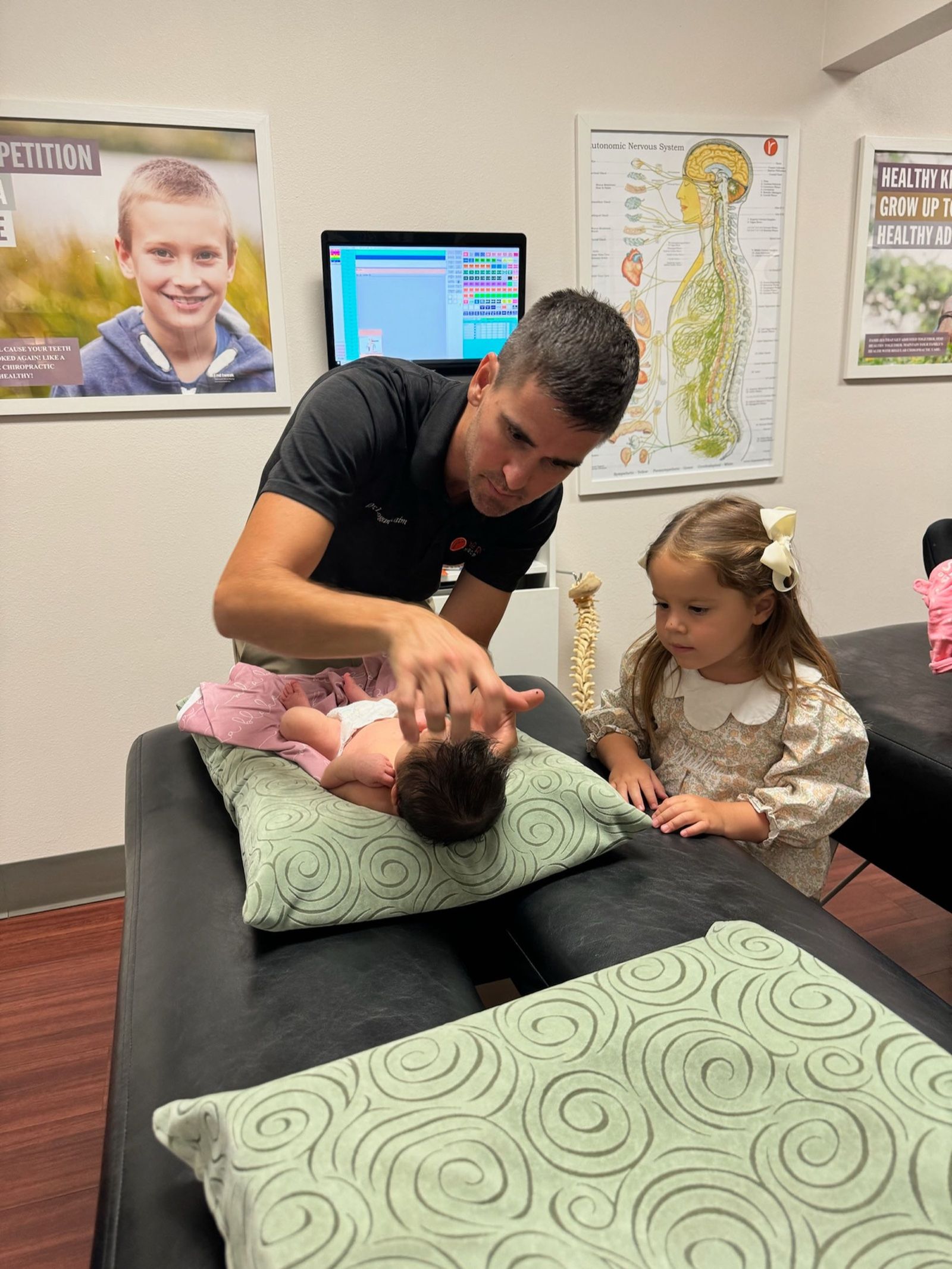
Dr. Logan in the office.
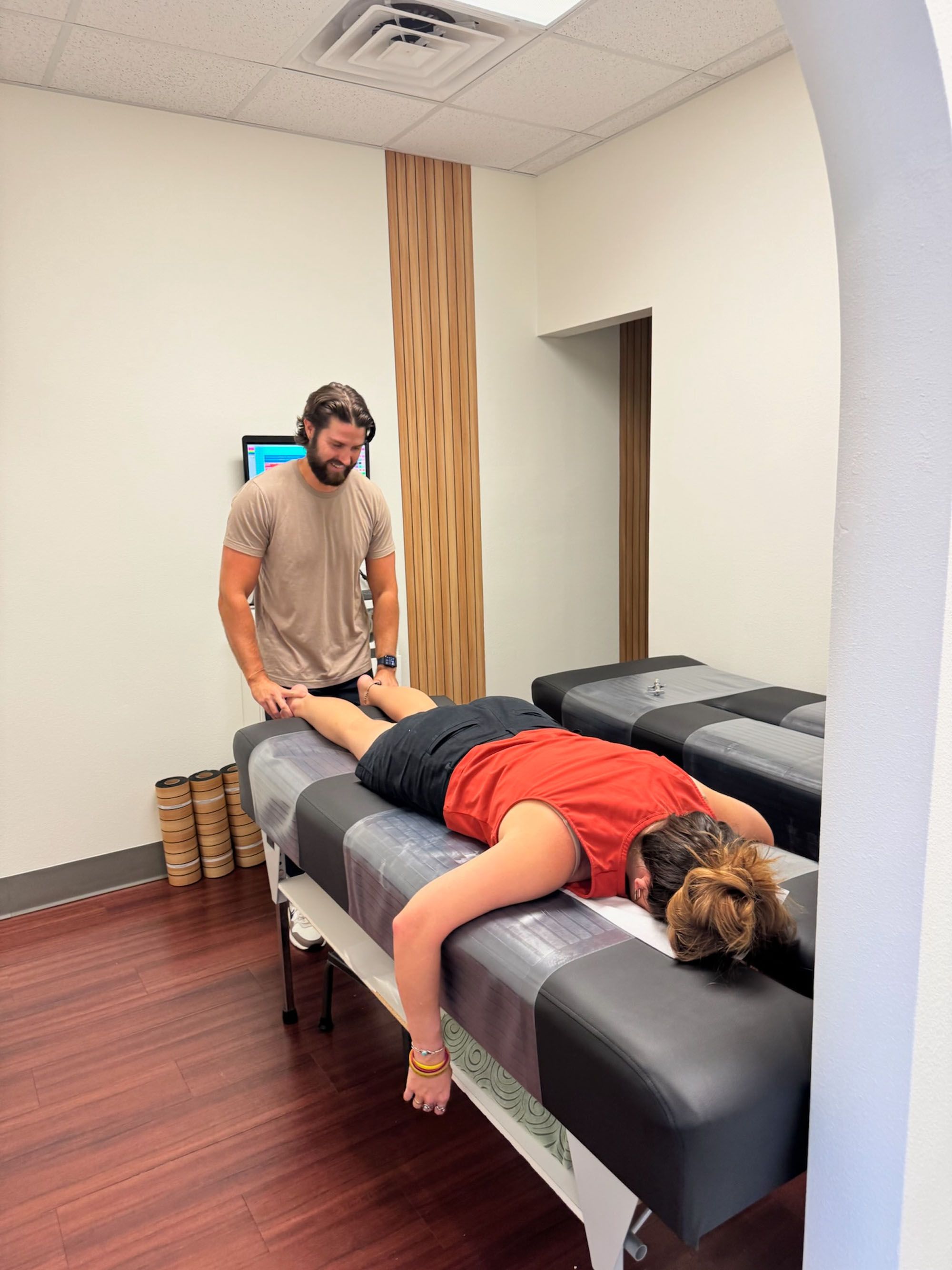
Precision over pressure.

Carly — patient care that feels like family.
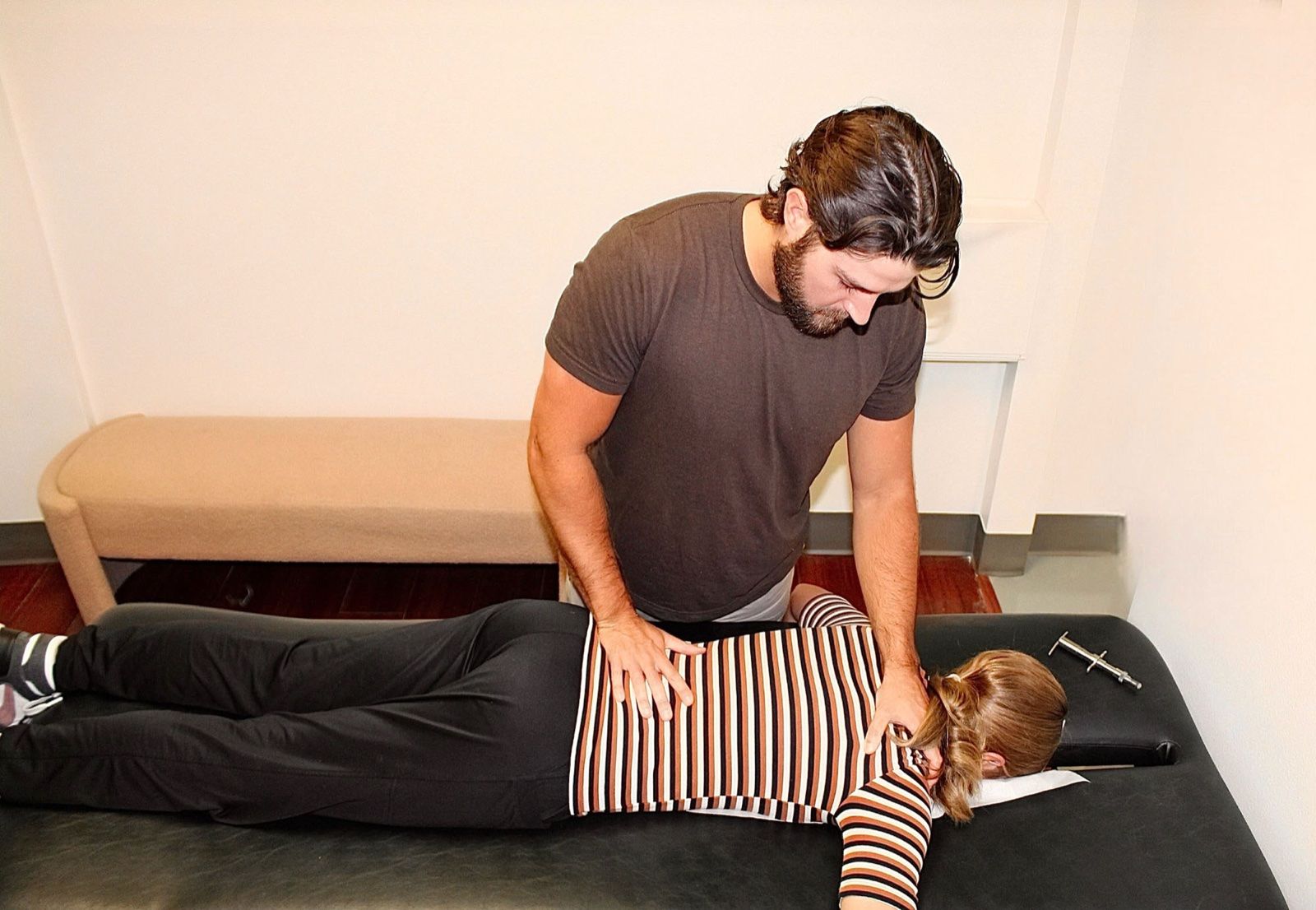
Dr. Fox at work.
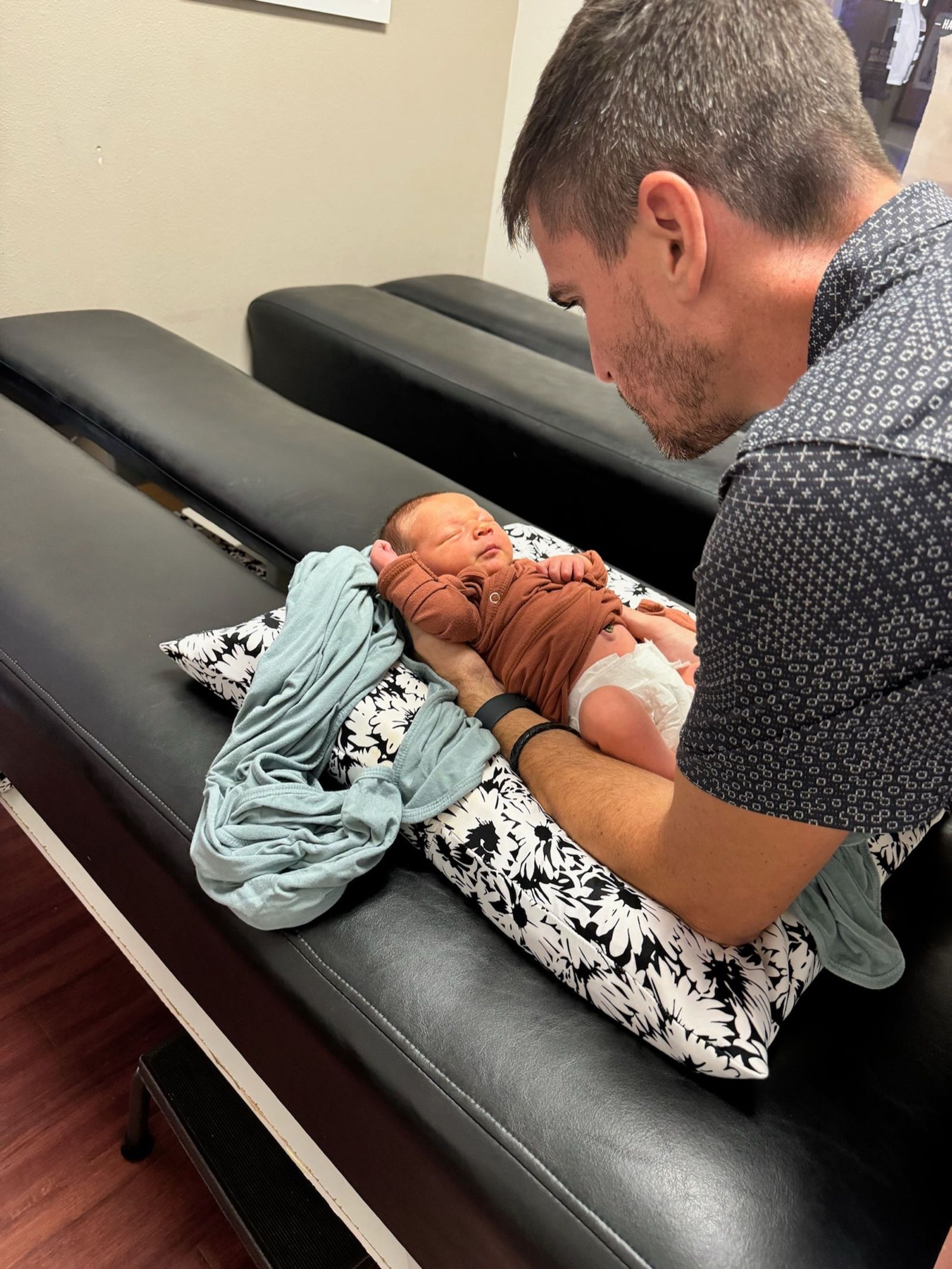
Dr. Logan in the office.

Precision over pressure — care that addresses the cause.
Keep Exploring
Meet the team
This page is educational, not medical advice. Always consult your medical doctor for serious health concerns; chiropractic care complements but doesn't replace primary medical care.
Want a personalized look at your nervous system?
Start with a complimentary consultation. We use a neurological evaluation to map what's going on — no commitment, no cost.