

Symptom
Eczema
Chronic skin inflammation
Recurring eczema or skin inflammation. Inflammation often correlates with autonomic and immune dysregulation. Always paired with a primary medical care plan.
By Dr. Logan Swaim · Last updated August 12, 2026
Get help with Eczema
Three quick questions — we'll call you within 24 business hours.
About Eczema
Eczema is a chronic condition where the skin becomes inflamed, dry, itchy, and sometimes red or cracked. It often shows up in patches that flare and calm over time, and it can affect sleep and comfort when the itching is intense. Common triggers include certain soaps, fabrics, foods, weather changes, and stress. The skin, the immune system, and the autonomic nervous system, which controls things you do not think about like skin responses and stress reactions, are all connected, so how the body regulates itself is part of the broader picture we look at.
Eczema flares follow different patterns for different people. Some notice it worsen with stress or poor sleep, others with specific exposures or seasons, and many see a mix. A nervous system that stays in a heightened stress state can ride alongside flares for some people, and the itch-scratch cycle can make comfort harder to find. These are patterns commonly seen, not the cause of eczema, and they are part of what we pay attention to when we look at how well your nervous system is regulating the body.
Eczema is a real medical condition, and it should always be paired with a primary medical or dermatology plan. Your doctor or dermatologist guides the diagnosis, the moisturizers and medications, and any trigger testing, and that care comes first. Our role is complementary support for nervous-system regulation alongside that plan, never a replacement for it. We begin with a thorough neurological evaluation to understand how your nervous system is functioning, and we are happy to coordinate with your medical team so your care stays connected.
Where We See This
Common contexts in our office
- Itchy, dry, or inflamed patches that flare and calm
- Flares that track with stress, weather, or specific triggers
- Sleep disrupted by nighttime itching
- A nervous system that feels stuck in a heightened stress state
The Nervous System Map
What this can be connected to
Per traditional chiropractic philosophy plus the patterns we see clinically, eczema is often associated with these regions or systems. Click any to read more.

Body systems

When To Seek Medical Care
Talk to your doctor first if…
Eczema is a chronic skin condition that should always be managed with a primary medical or dermatology plan, and our support is only ever complementary to that care. See your doctor or dermatologist if patches are spreading, weeping, crusting, or look infected, if the itching disrupts sleep, or if your current plan is not keeping flares under control. Signs of skin infection, such as warmth, pus, or fever, need prompt medical attention. Your physician or dermatologist remains the person who guides your eczema treatment.
From Our Doctors
Hear it from the team
Dr. Logan Swaim — Three Pillar Health Approach”
More from the team


Common Questions
About eczema
Related Reading
Articles about eczema
What Is a Chiropractic Neurological Evaluation? How We Measure Your Nervous System
A chiropractic neurological evaluation uses surface EMG, thermal scanning, and heart rate variability to show how your nervous system is actually functioning — not just where it hurts. Here is what each measurement means and why it matters for your care.
Read articleRed Light Therapy: 6 Evidence-Based Benefits Worth Knowing About
Red light therapy has real research behind it — for pain, recovery, skin, and metabolic health. Here's what the evidence actually supports, and what a session looks like.
Read articleWhat Is Corrective Chiropractic — And How Is It Different?
Most chiropractors focus on temporary symptom relief. Corrective chiropractic is designed to make lasting structural changes — here's how.
Read articleWho You'll See
Doctors who see this every week
The Roots Health Centers is led by the same doctors at every visit — no rotating providers. Care starts with a full neurological evaluation, and a doctor walks you through what it found before anything else is recommended.



Inside the clinic
Where the work happens.
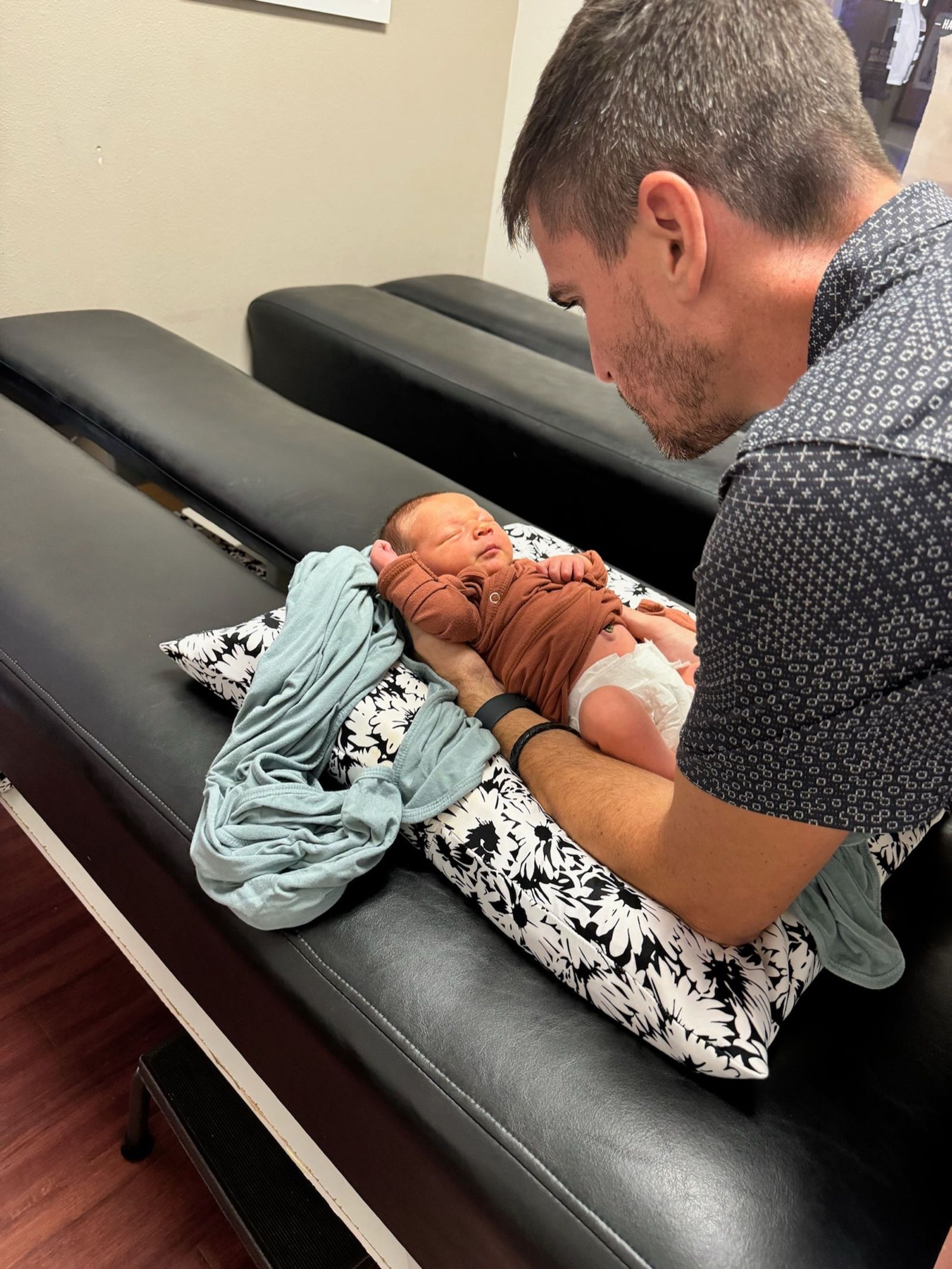
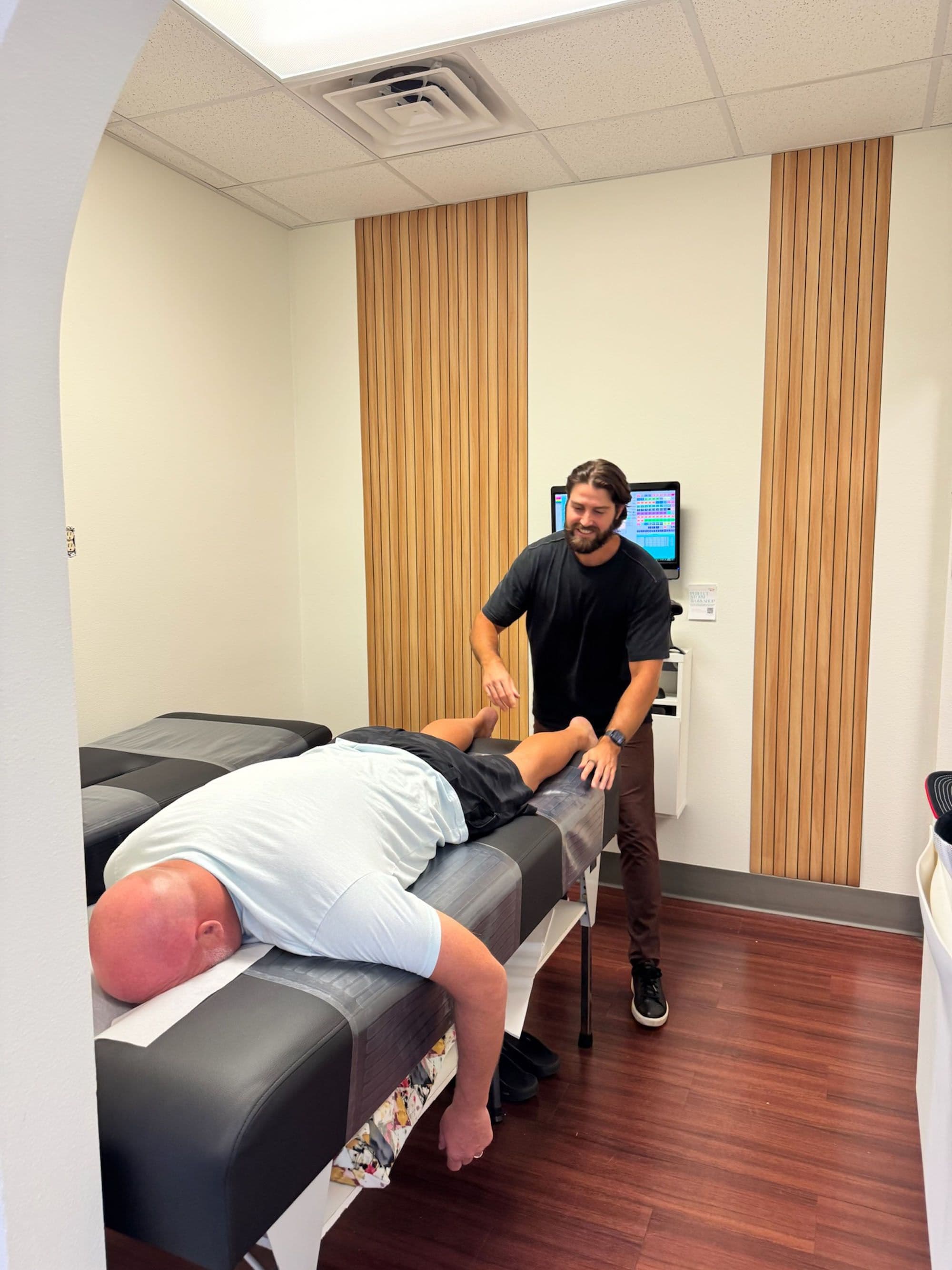
Dr. Logan in the office.

Dr. Fox at work.
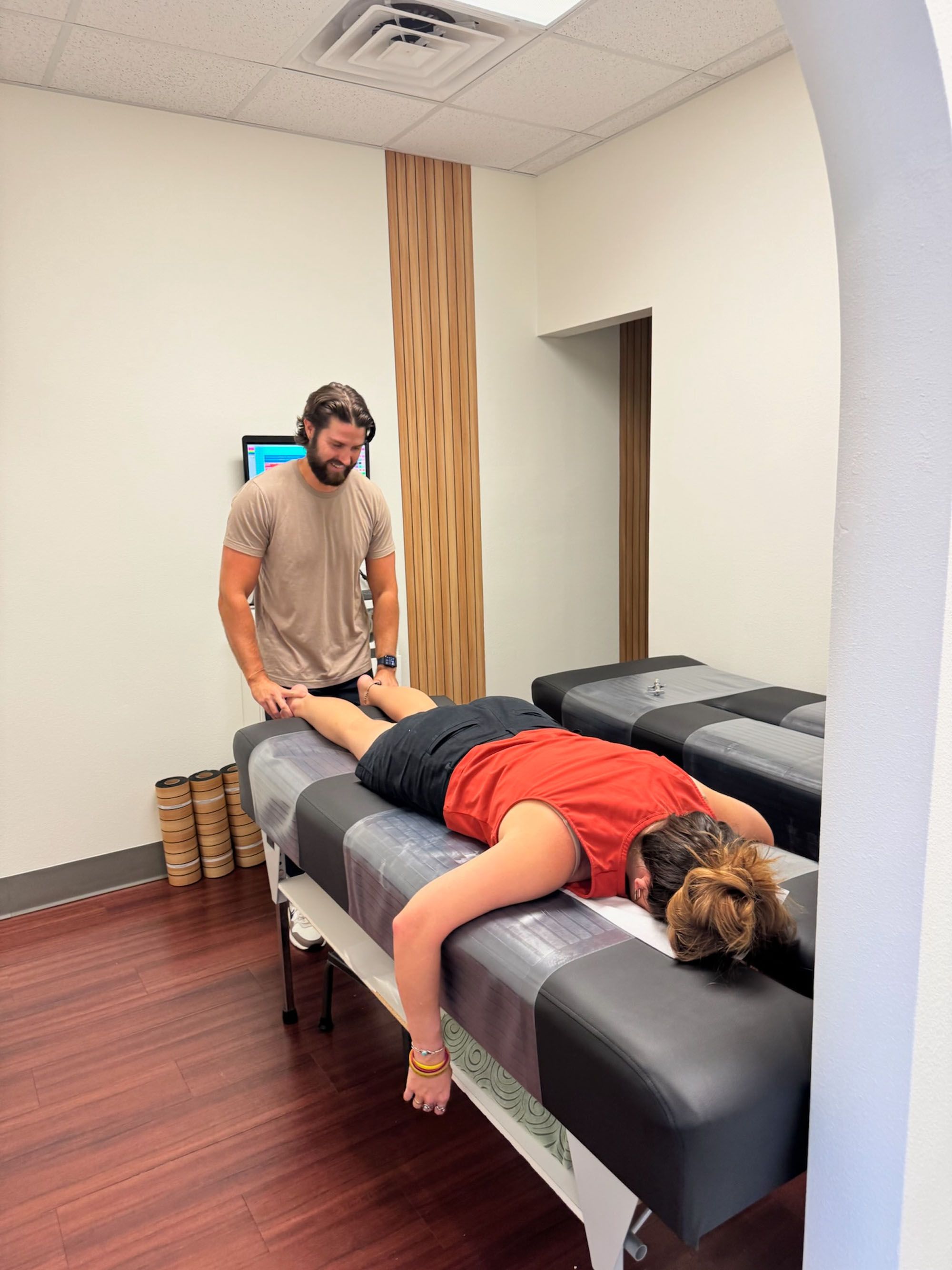
Precision over pressure.

Dr. Laura in the office.

Precision over pressure — care that addresses the cause.
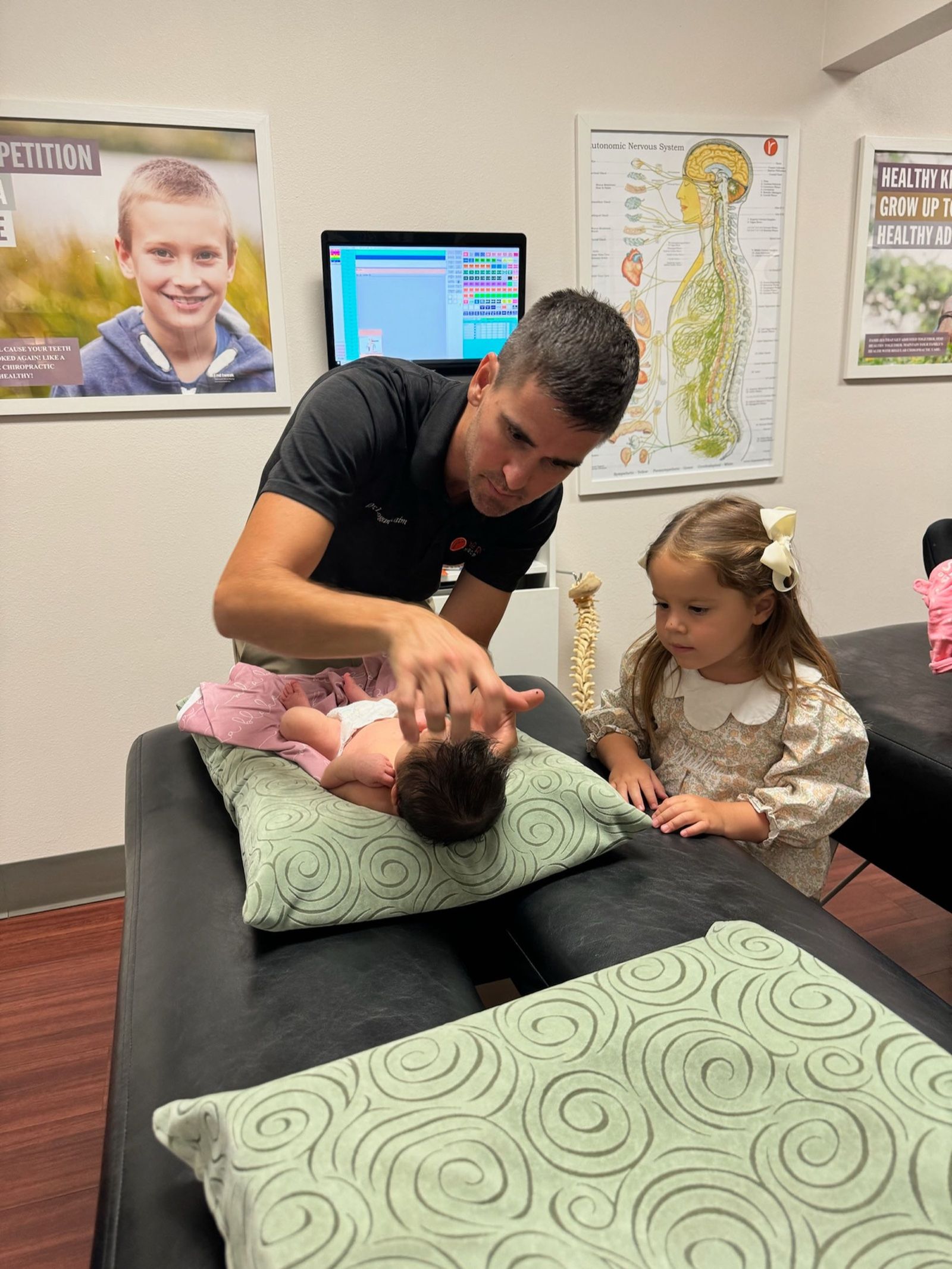
Dr. Logan in the office.
Keep Exploring
Meet the team
Please see your medical doctor first about this concern. Chiropractic care is a complementary approach to support nervous-system regulation alongside (not in place of) appropriate medical care.
Want a personalized look at your nervous system?
Start with a complimentary consultation. We use a neurological evaluation to map what's going on — no commitment, no cost.