

Symptom
Weak Ankles & Arches
Frequent ankle rolls or fallen arches
Ankle instability or collapsed arches. Lower lumbar and sacral nerve involvement often shows up as foot dysfunction. Plantar fasciitis can develop alongside.
By Dr. Logan Swaim · Last updated August 12, 2026
Get help with Weak Ankles & Arches
Three quick questions — we'll call you within 24 business hours.
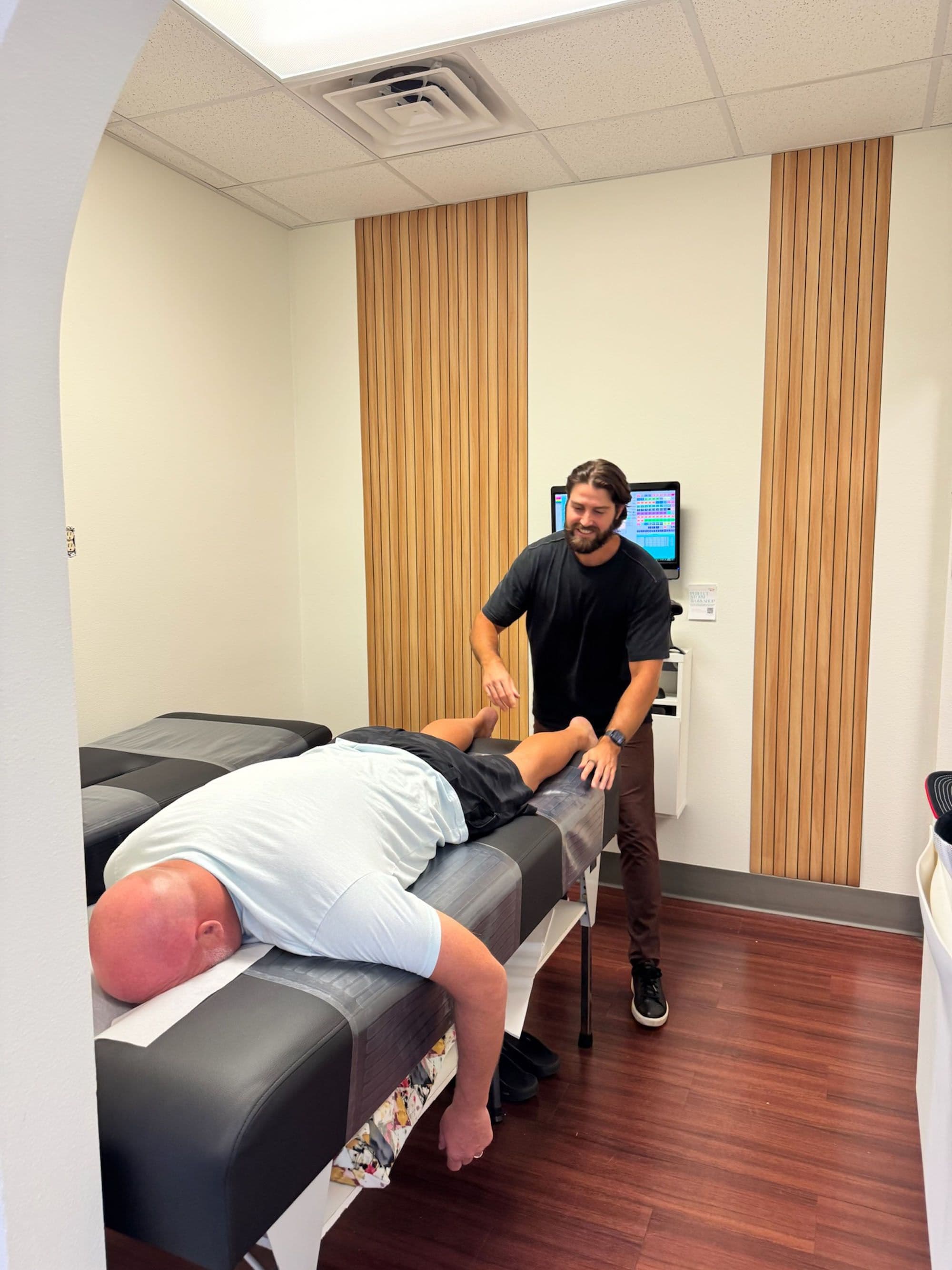
About Weak Ankles & Arches
Weak ankles and collapsing arches describe a foot and lower-leg foundation that is not giving you steady, reliable support. You might roll your ankle easily, feel wobbly on uneven ground, or notice your arches flattening as the day goes on. The feet and ankles rely on a steady stream of signals from nerves that originate in the lower lumbar and sacral spine. When that nerve supply is irritated or the structural support is off, the small stabilizing muscles can fire less effectively, leaving the joints loose and the arches under-supported.
Patterns here often build from old ankle sprains that never fully recovered, footwear with little support, long hours on hard floors, extra load through the feet, or imbalances higher up in the hips and lower back. Because everything from the lower spine down works as a chain, a problem at the foot can stem from above, and strain at the foot can ripple upward. Plantar fasciitis, that sharp heel pain especially with the first steps of the morning, commonly develops alongside collapsed arches as the tissue along the bottom of the foot takes on more stress.
Our approach is to look at the whole chain, not just the foot. We map the nervous system first with a thorough neurological evaluation to see how the lower back, pelvis, and legs are supplying and supporting the feet and ankles. Then we build a personalized care plan with gentle, hands-on care meant to support better function from the spine down, working alongside your medical care and any footwear or orthotic guidance you are already following.
Where We See This
Common contexts in our office
- Often follows old ankle sprains that never fully recovered
- Common with long hours standing on hard surfaces
- Frequently paired with morning heel pain or plantar fasciitis
- Tends to show up with unsupportive footwear
The Nervous System Map
What this can be connected to
Per traditional chiropractic philosophy plus the patterns we see clinically, weak ankles & arches is often associated with these regions or systems. Click any to read more.
Spinal regions
Body systems
When To Seek Medical Care
Talk to your doctor first if…
Get prompt medical care if an ankle becomes severely swollen, bruised, or impossible to put weight on after a twist or fall, as that can indicate a fracture rather than a simple sprain. Sudden numbness, a foot that drags or slaps when you walk, or noticeable loss of strength in the foot should be evaluated quickly, since these can point to nerve involvement. A foot that is hot, red, and tender, or new swelling in one leg with calf pain, also warrants timely attention from a doctor.
From Our Doctors
Hear it from the team
Dr. Logan Swaim — Red Light Therapy Overview”

Common Questions
About weak ankles & arches
Related Reading
Articles about weak ankles & arches
Why Your Plantar Fasciitis Keeps Coming Back (And How to Stop It)
Treated your plantar fasciitis with rest, stretches, orthotics — and it still keeps returning? Here's what's actually going on and how to break the cycle.
Read articleShockwave Therapy for Plantar Fasciitis: A Non-Surgical Solution
Extracorporeal shockwave therapy is changing how we treat chronic plantar fasciitis. Here's how it works and what to expect.
Read articleWhat Is Corrective Chiropractic — And How Is It Different?
Most chiropractors focus on temporary symptom relief. Corrective chiropractic is designed to make lasting structural changes — here's how.
Read articleWho You'll See
Doctors who see this every week
The Roots Health Centers is led by the same doctors at every visit — no rotating providers. Care starts with a full neurological evaluation, and a doctor walks you through what it found before anything else is recommended.



Inside the clinic
Where the work happens.
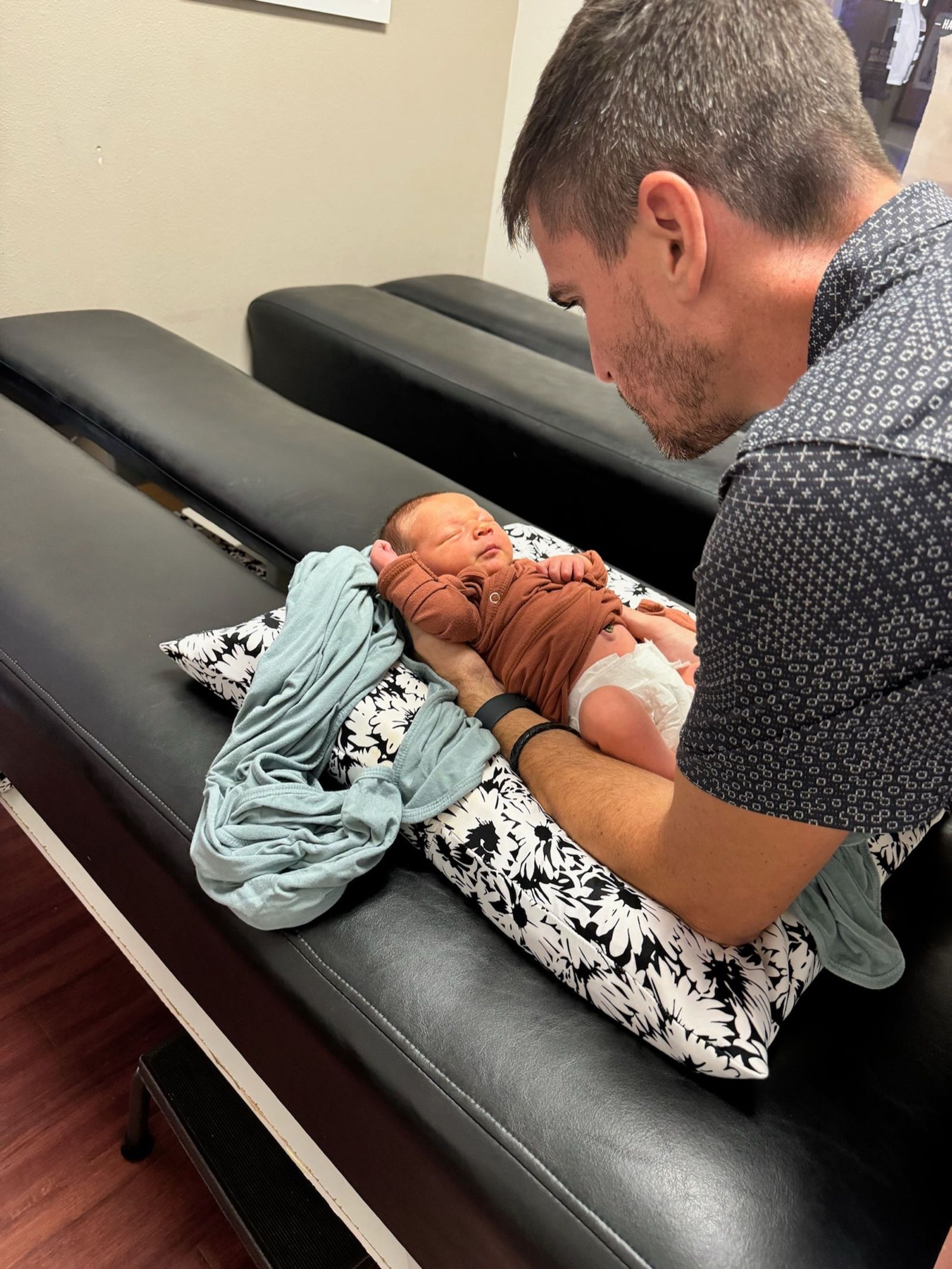
Dr. Logan in the office.
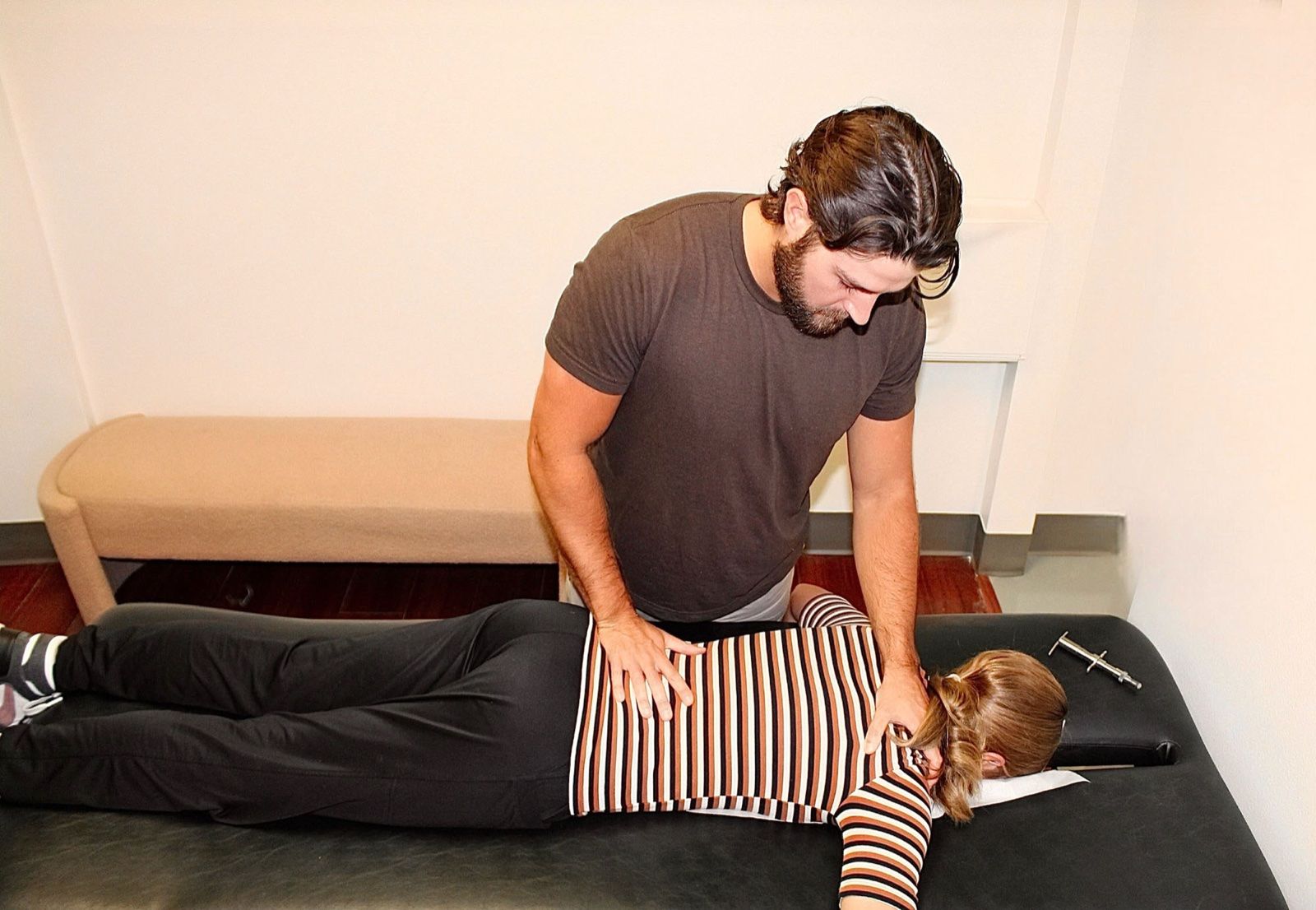
Dr. Fox at work.
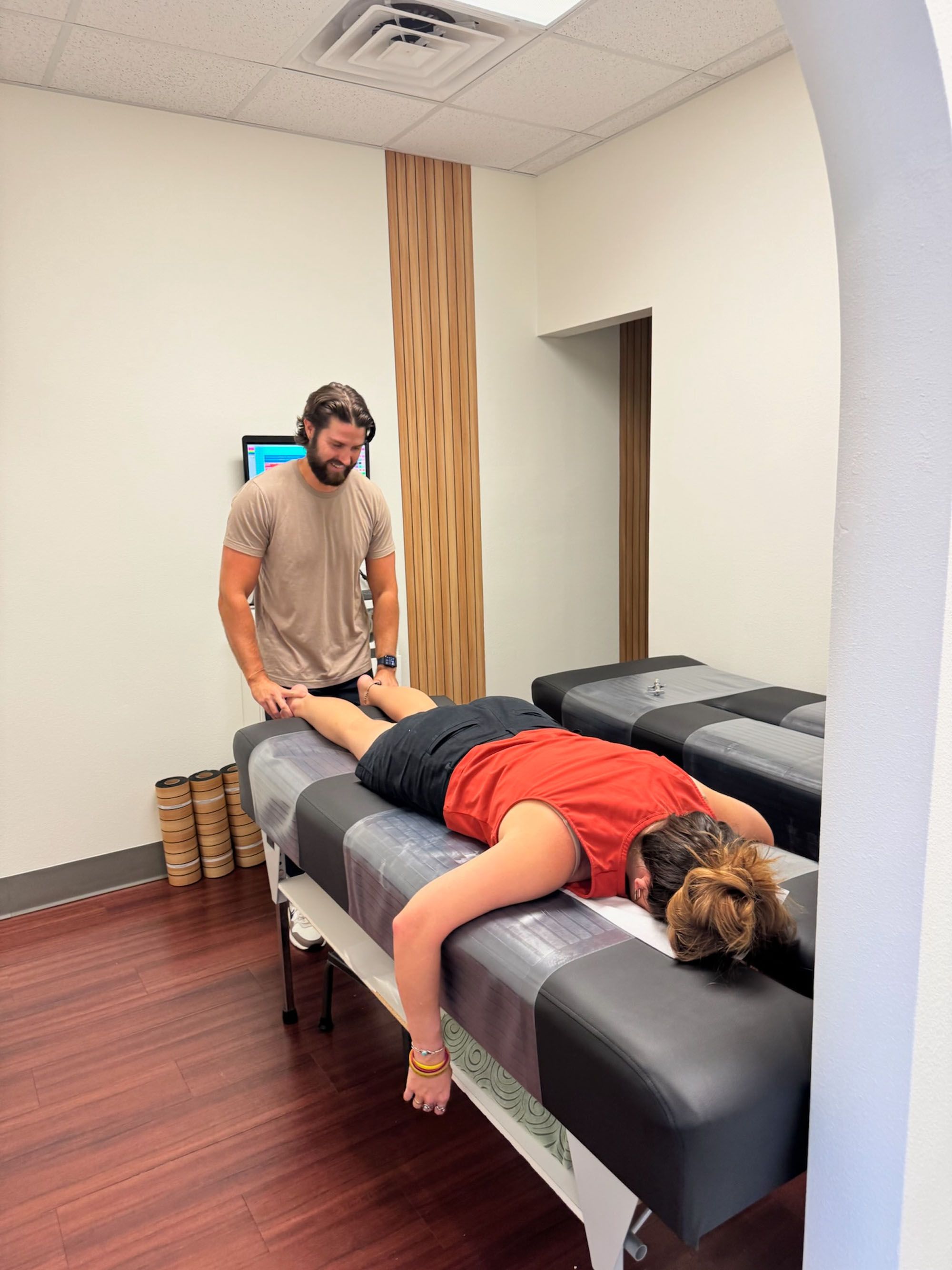
Precision over pressure.
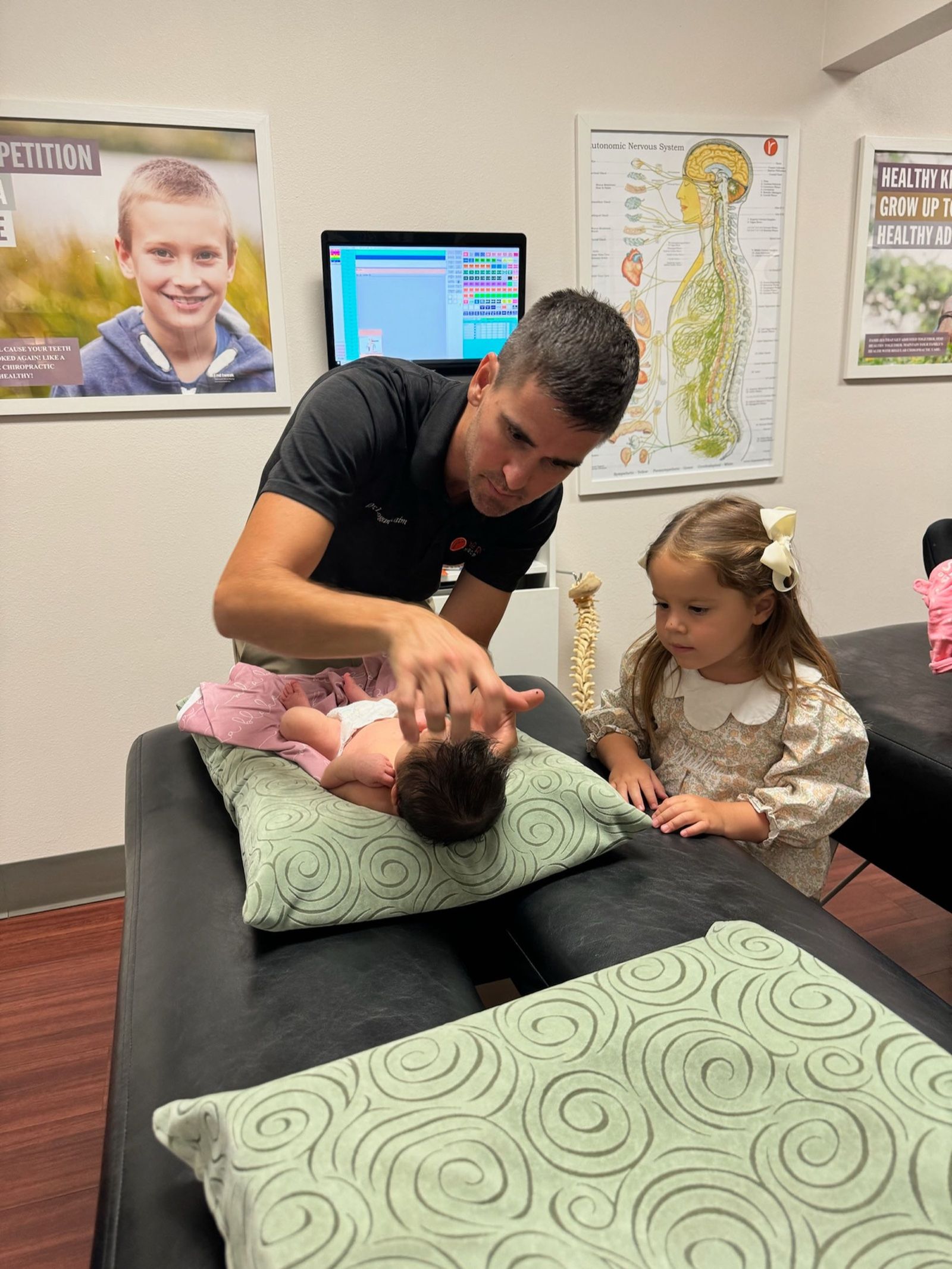
Dr. Logan in the office.
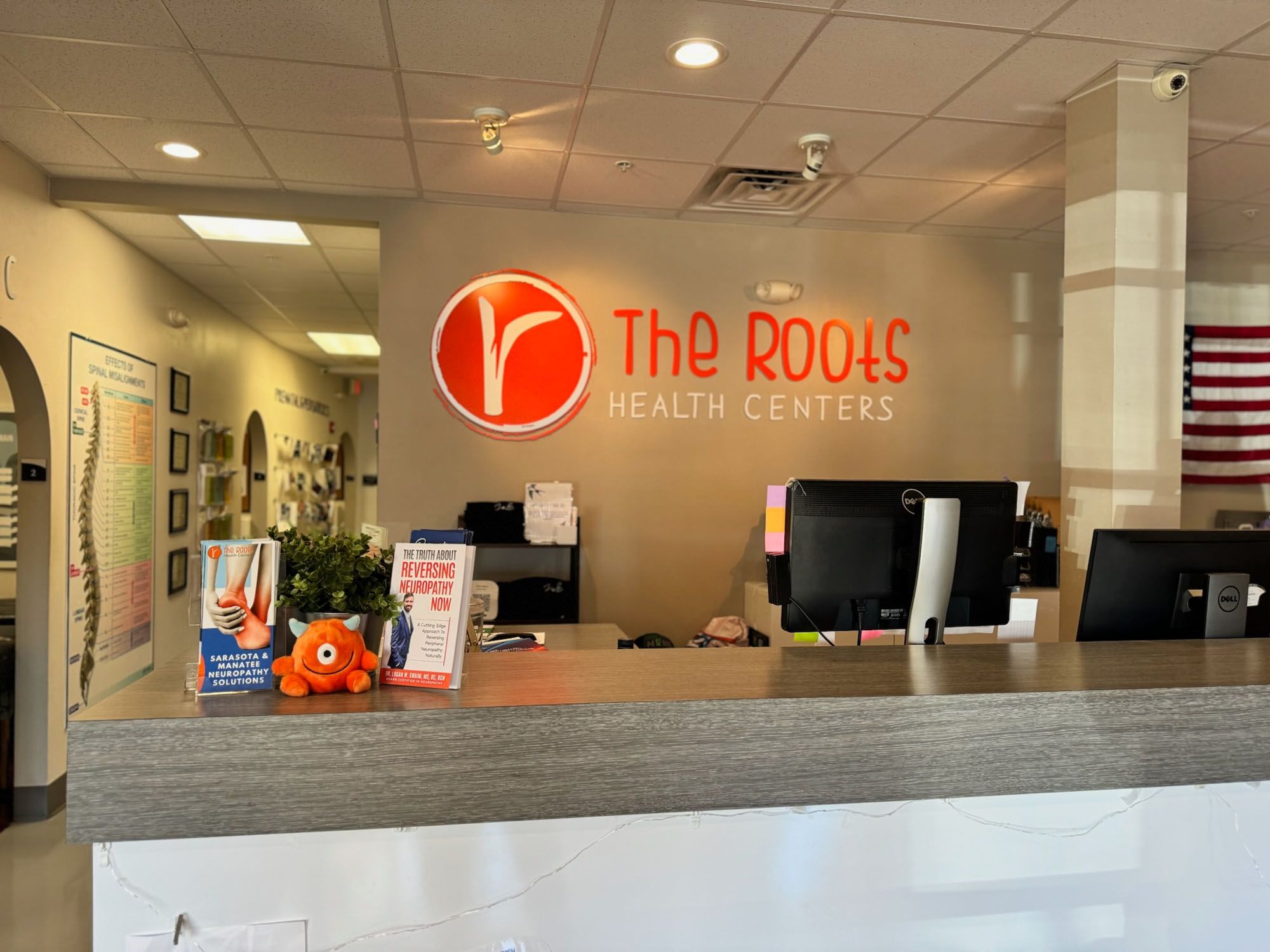
Dr. Logan's neuropathy book — free at every visit.
Keep Exploring
Meet the team
This page is educational, not medical advice. Always consult your medical doctor for serious health concerns; chiropractic care complements but doesn't replace primary medical care.
Want a personalized look at your nervous system?
Start with a complimentary consultation. We use a neurological evaluation to map what's going on — no commitment, no cost.