

Back Pain From Driving: How to Set Up Your Seat and Your Commute
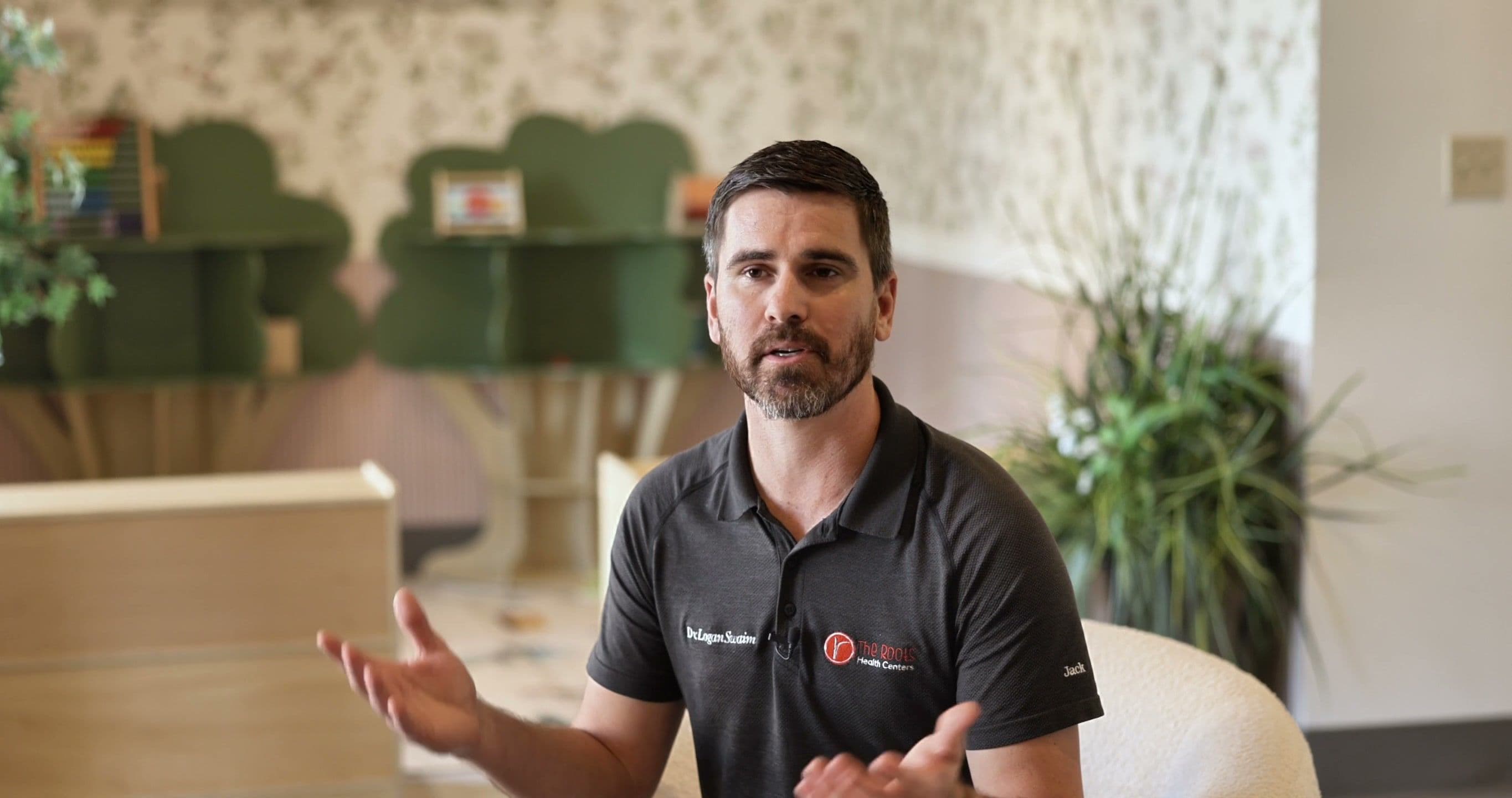
If your low back aches by the time you reach the office, or your hip stiffens after a drive down I-75, you're dealing with back pain from driving, and you're far from alone. The short answer: sitting in a car holds your spine in one position, with your hips bent and your right foot working the pedals, while road vibration keeps your muscles quietly busy the whole time. A few seat adjustments, regular breaks, and small habit changes may help, and pain that keeps showing up deserves a proper look. Below, we'll cover why driving strains your back, how to set up your seat, what to do on longer trips, and when it's time to get checked. This is educational, not a replacement for care from your own provider.
Why Back Pain From Driving Happens
A car seat looks comfortable, but it asks your body to hold still for a long time in a position it wasn't built to stay in. Several things stack up:
- Hips stay bent. With your knees and hips flexed, the muscles on the front of your hips can shorten over time, which may tug on the low back. We explain this pattern in our guide to tight hip flexors and low back pain.
- The lower spine loses its curve. Many seats let your pelvis tip backward, flattening the natural inward curve of your low back and shifting load onto the discs and ligaments.
- Vibration adds up. Road vibration travels through the seat into your spine. Your muscles respond with tiny, constant contractions, which can leave you tired and sore.
- Your right leg works while the left rests. Pedal use can leave your pelvis slightly twisted, and the same side may feel tighter after a drive.
- Tension climbs with traffic. When you're stressed or gripping the wheel, your shoulders rise and your neck and upper back tighten.
None of this means driving is dangerous for your spine. It means the setup and the habits around it matter, especially if you spend a lot of time on the road.
How to Set Up Your Seat to Protect Your Back
Take two minutes before you pull out. Small changes make a noticeable difference for many people.
Slide the seat so your knees stay slightly bent
You should be able to press the pedals fully without stretching your legs straight or pulling your hips forward off the seat. If you're reaching, the seat is too far back. If your knees are jammed up near the wheel, it's too close.
Support the curve of your low back
Sit all the way back so your pelvis and the seat meet. If your seat has adjustable lumbar support, set it so you feel gentle contact in the hollow of your low back, not a hard push. If it doesn't, a small rolled towel or a purpose-made cushion can do the job. The goal is to help your spine rest in its natural shape, not to force it.
Recline just a little
A seat back that's slightly reclined, rather than bolt upright, can spread load across the whole back instead of concentrating it on the lower discs. Avoid leaning so far back that you have to reach for the wheel.
Raise the seat so your hips sit level with or just above your knees
If your knees are higher than your hips, your pelvis tends to tip backward and your low back rounds. Raising the seat height or adding a cushion can help.
Set the wheel and headrest
Bring the steering wheel close enough that your elbows stay softly bent, and tilt it so you aren't shrugging. Place the headrest so it sits behind the middle of your head, which encourages your neck to stay stacked over your shoulders rather than creeping forward.
Habits That Help on Longer Drives
Even a perfect seat won't help much if you stay frozen in it. Think of your body as something that likes variety.
- Shift your position regularly. Small changes, like adjusting your lumbar support slightly or sitting tall for a few moments, keep different muscles involved.
- Take real breaks. On longer trips, plan stops before stiffness builds, not after. Walk around, stand tall, and let your hips open.
- Try a few gentle moves at a stop. Stand and take a slow, comfortable stretch for the front of your hips, roll your shoulders back, and walk for a minute or two. Stay within what feels comfortable.
- Keep your wallet out of your back pocket. Sitting on a thick wallet tilts your pelvis and can irritate the low back or buttock on that side.
- Loosen your grip. Check in with your hands and shoulders every so often. If they've crept up, drop them and exhale.
- Use the passenger seat wisely. If someone else is driving, you can still shift, stretch, and change position more freely.
These are everyday habits, not a treatment plan. If something hurts sharply while you move, stop and don't push through it.
When the Hips and Leg Get Involved
Sometimes back pain from driving isn't only in the back. You might notice a deep ache in the buttock, a pulling sensation down the back of the thigh, or a tingling that shows up the longer you sit. That pattern can come from irritation near the lower spine or from muscles in the hip, and it's one reason we like to look at the whole chain rather than a single spot. Our pages on low back pain, hip pain, and sciatica walk through how these symptoms can overlap.
If you notice pain traveling down the leg, numbness, or weakness, that's worth bringing up with a clinician rather than waiting to see if it settles.
When It's Worth Getting Checked
Mild stiffness after a long drive that eases when you move around is common. It's worth scheduling an evaluation if:
- Back pain from driving keeps coming back, or lasts well after you've stopped
- Pain wakes you at night or builds steadily
- You feel pain, numbness, or tingling traveling into a leg
- Your hips feel locked or uneven when you step out of the car
- You've changed your seat, your car, or your commute and the pain started right after
Seek emergency care right away if back pain comes with new loss of bladder or bowel control, numbness in the groin or inner thighs, sudden weakness in a leg, or follows a significant accident. Those can be signs of a serious problem and shouldn't wait.
If you've had an accident, even a minor one, pain that shows up later is common. Our guide to why whiplash symptoms show up days after a crash explains why.
What a Visit Looks Like at The Roots
At The Roots Health Centers in Lakewood Ranch, we start by listening: when the pain shows up, what your commute looks like, and what you've already tried. Then we look at how your spine, hips, and nervous system are working together, including a neurological evaluation and any necessary X-rays. Our team uses gentle methods, including Torque Release Technique, and we'll explain what we find in plain English so you know what's going on and what your options are. Dr. Logan Swaim often reminds patients that pain is a signal worth listening to, and the pattern behind it usually tells us more than the location alone.
If you want to understand back pain more broadly, that page is a good next stop. And if you sit at a desk as well as in a car, our post on how sitting eight hours a day affects your spine pairs well with this one.
Frequently Asked Questions
Why does my back hurt after driving?
Sitting still with your hips bent, a flattened low back curve, road vibration, and steady pedal use can all add strain. The muscles and joints of the low back and hips work quietly the whole time, and the discomfort often shows up when you finally stand up.
What is the best seat position to avoid back pain?
There's no single perfect position, but a good starting point is a seat close enough that your knees stay slightly bent, gentle support in the hollow of your low back, a slight recline, and hips level with or just above your knees. Adjust until you feel supported, not pushed.
Does lumbar support help with back pain from driving?
For many people, gentle lumbar support helps the spine rest in its natural curve. It shouldn't feel like a hard bump pushing you forward. If it creates more discomfort, adjust it or try a thinner cushion.
Is it normal for my hip to hurt after a drive?
Mild stiffness is common after sitting for a while, especially in the right hip from pedal work. If the pain is sharp, lingers, or travels down your leg, it's worth having it evaluated.
Get a Clear Picture Instead of Guessing
Back pain from driving doesn't have to be something you just put up with. If the same ache keeps following you from the driver's seat, our team can look at what's behind it and talk through options that fit you. Book your complimentary consultation and we'll start with your story.
Conditions We Treat
Back Pain
Corrective chiropractic care that addresses the structural root cause of back pain — not just masking symptoms with medication.
Hip Pain
Hip pain can start in the joint itself — or in the SI joint, the lower back, a tilted pelvis, or the muscles that cross the hip. Because those sources feel remarkably similar, finding the right one comes before any adjustment.
Sciatica
Non-surgical care for sciatic nerve pain using spinal decompression, corrective chiropractic, and supporting therapies.
Services Related to This Post
Keep Reading
Related articles
Tight Hip Flexors and Low Back Pain: Why Sitting Makes It Worse
Tight hip flexors can quietly tug on your low back, especially if you sit most of the day. Here's how the connection works, what may help, and when to get checked.
Read articleHow Sitting 8 Hours a Day Is Quietly Wrecking Your Spine
Modern work keeps you seated, but your spine wasn't built for that. Here's what prolonged sitting actually does to your body — and what may help.
Read article