
Restless Leg Syndrome: Why Your Legs Won't Settle at Night

If your legs feel like they're crawling, aching, or buzzing the moment you sit still in the evening, and moving them is the only thing that brings relief, you may be dealing with restless leg syndrome. It's more common than most people realize, and it tends to show up right as you're trying to wind down or fall asleep, which makes it especially frustrating. Restless leg syndrome is a real, recognized condition, not something you're imagining or exaggerating, and while a physician manages the medical diagnosis, there's often a mechanical, nervous-system piece to the picture that's worth understanding too.
What Restless Leg Syndrome Actually Is
Restless leg syndrome (RLS), also called Willis-Ekbom disease, is a neurological condition that creates an uncomfortable, hard-to-describe sensation in the legs, often described as crawling, tingling, pulling, or a deep muscular ache, paired with an urge to move that's difficult to resist. Symptoms typically appear or worsen in the evening and at rest, and moving, stretching, or walking usually brings temporary relief, only for the sensation to return once you're still again. It's diagnosed clinically, based on the pattern of symptoms, rather than through a single lab test or scan, which is part of why it gets missed or mislabeled for years in some patients.
What Causes That Urge to Move
The exact mechanism behind restless leg syndrome isn't fully settled, but a few contributors show up consistently in the research and in what physicians look for during a workup. Low iron levels are among the most common causes and one of the more directly addressable ones: even when standard bloodwork looks "normal," iron stores can be low enough to affect dopamine activity in the brain, which appears to play a central role in RLS. Pregnancy, kidney disease, and certain medications, including some antidepressants, antihistamines, and anti-nausea drugs, are also recognized triggers. A family history is common too, which suggests a genetic component alongside these other factors. If you haven't had bloodwork done to check your iron and ferritin levels, that's usually the first, most useful step, and it's a conversation that belongs with your primary care physician, not something we run in our office.
When It Isn't Actually Restless Leg Syndrome
Not every case of legs that won't settle at night is true restless leg syndrome. We regularly see patients whose nighttime leg symptoms trace back to something mechanical instead, most often irritation or compression of a nerve root in the low back, which can create a tingling, aching, or restless sensation that travels down one leg rather than both. This is different from RLS in a few telling ways: it's often one-sided rather than bilateral, it may come with low back pain or stiffness that RLS typically doesn't cause, and it doesn't always follow the classic "worse at rest, better with movement" pattern as consistently. A pinched nerve in the lower spine is one of the more overlooked mimics of restless leg syndrome, and sorting out which one you're actually dealing with matters, because the two call for very different approaches.
The Nervous-System Piece
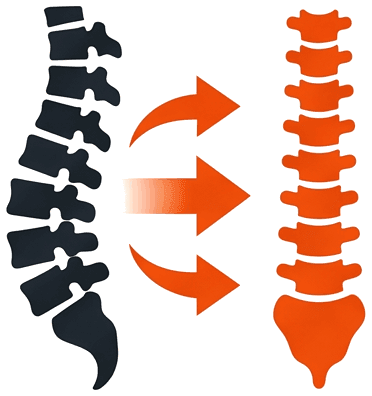
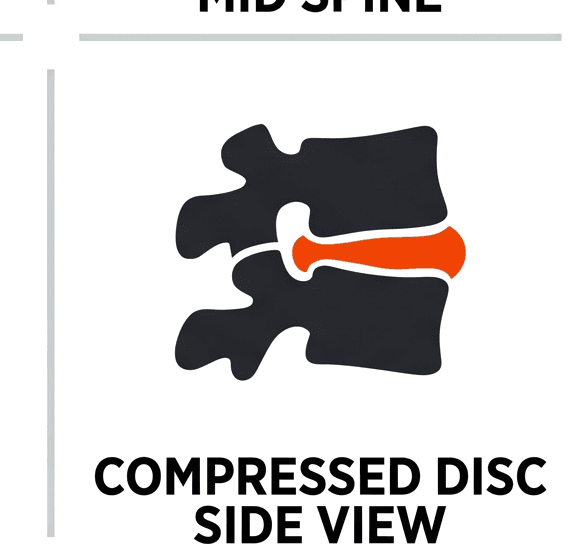
At The Roots Health Centers, our approach starts with a consultation and a full neurological evaluation, plus any necessary X-rays when they're clinically indicated, to get a clear picture of what's actually happening in your spine and nervous system, not just where the sensation shows up. When restless, uncomfortable leg symptoms are tied to nerve irritation or restriction in the low back, our chiropractic care uses the Torque Release Technique to help address that restriction, and for cases where a disc or nerve root is under more significant pressure, spinal decompression is sometimes part of the conversation. Each case is different, and how any of this fits into your situation depends on what your evaluation actually shows. This isn't a substitute for the medical workup a true RLS diagnosis requires; it's a separate piece of the puzzle that's easy to miss when every restless leg gets assumed to be the same restless leg.
What May Help, Alongside Medical Care
For patients with a confirmed restless leg syndrome diagnosis, a few everyday habits are commonly discussed as supportive alongside whatever a physician recommends: keeping a consistent sleep schedule, cutting back on caffeine and alcohol in the evening, since both are known to aggravate symptoms for many people, light stretching or a short walk before bed, and a warm or cool compress on the legs. Regular movement throughout the day, rather than long stretches of sitting, also seems to help some people more than others. We've written more generally about how nervous-system regulation may support better rest if sleep itself is the bigger struggle. None of these habits replace a physician's evaluation, especially the iron and ferritin bloodwork mentioned above, but they're reasonable, low-risk things to try alongside whatever care plan your doctor puts together.
When to See a Physician First
Restless leg syndrome should always be evaluated by a physician, not diagnosed from a blog post or a symptom checklist. See a doctor promptly if the sensation is only in one leg rather than both, if it comes with numbness, weakness, or pain that doesn't ease with movement, if it started suddenly rather than building gradually, or if you're pregnant, have kidney disease, or take a medication known to trigger it. Those patterns point toward something that needs medical management first. Our team is glad to help sort out whether a mechanical, spine-related piece is also part of your picture, similar to what we've seen with patients dealing with numbness in their feet from mechanical causes, but the RLS diagnosis itself, along with any medication decisions, belongs with your physician.
Frequently Asked Questions
What is restless leg syndrome? It's a neurological condition that causes an uncomfortable sensation in the legs, along with an urge to move them, usually worse in the evening and at rest. It's diagnosed by a physician based on symptom patterns.
What causes restless leg syndrome? Low iron levels, pregnancy, kidney disease, certain medications, and family history are the most commonly recognized contributors. Bloodwork checking iron and ferritin is usually the first step a physician will suggest.
What does restless leg syndrome feel like? Most people describe crawling, tingling, pulling, or a deep ache in the legs, along with an urge to move that's hard to ignore. It tends to ease temporarily with movement and return once you're still again.
What helps restless leg syndrome? Alongside whatever your physician recommends for the underlying cause, a consistent sleep schedule, less evening caffeine and alcohol, gentle stretching, and regular daytime movement are commonly discussed as supportive habits.
Can a pinched nerve cause restless-leg-like symptoms? Yes. Nerve irritation in the low back can create a restless, tingling, or aching sensation that travels down one leg, which is often mistaken for restless leg syndrome even though it's a different, more mechanical issue.
If your legs won't settle at night and you're not sure whether it's restless leg syndrome or something more mechanical, it's worth having it actually looked at. Book a complimentary consultation at The Roots Health Centers in Lakewood Ranch — meet the team, tour the clinic, and get honest answers about what's going on. No commitment to start care.
The Roots Health Centers, 8209 Natures Way, Unit 115, Lakewood Ranch, FL 34202. (941) 877-1507.
Conditions We Treat
Pinched Nerve
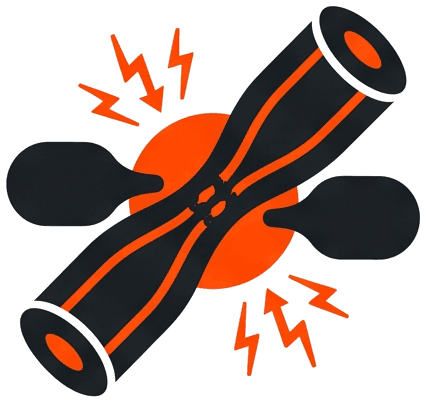
A pinched nerve is a mechanical problem — a disc, joint, or inflamed tissue pressing on a nerve where it exits the spine. The pain, tingling, or numbness travels the nerve's path, which is why arm symptoms so often start in the neck.

Back Pain
Corrective chiropractic care that addresses the structural root cause of back pain — not just masking symptoms with medication.