

Numbness in Feet: Mechanical Causes and When to Get It Checked

If you've noticed your feet going numb — during a long drive, after sitting cross-legged, or seemingly out of nowhere — it's natural to wonder whether something serious is going on. The good news is that numbness in the feet is often mechanical, meaning it traces back to pressure or irritation on a nerve somewhere along its path, rather than damage to the nerve fiber itself. Here's how to tell a mechanical cause apart from something that needs a closer look, and what actually helps.
What "Mechanical" Numbness Actually Means
When we say numbness in the feet is mechanical, we mean a nerve's electrical signal is being interrupted by physical pressure, irritation, or restricted movement somewhere along its path — not by damage to the nerve fiber itself. Sit on your foot for a few minutes and it goes numb; stand back up and shake it out, and the feeling returns. That's mechanical numbness in its simplest form: temporary, positional, and reversible once the pressure is relieved. The same basic principle can show up in a more persistent way when the pressure comes from inside the body — a disc pressing on a nerve root in your low back, for example, rather than the position of your legs.
Common Mechanical Causes of Numb Feet
A few patterns come up often when we evaluate numbness in the feet:
Nerve compression in the low back. A pinched nerve in the lumbar spine — from a bulging disc, spinal stenosis, or general irritation — can send numbness, tingling, or a dull ache down through the leg and into the foot. This pattern often overlaps with sciatica, since the two share much of the same nerve pathway.
Pressure at the ankle or foot itself. Tight shoes, a swollen ankle, or a structural issue in the foot can compress a smaller nerve locally, producing numbness that stays confined to part of the foot rather than radiating from the back.
Morton's neuroma. A thickened, irritated nerve between the toes — usually the third and fourth — can cause numbness or a sensation of a pebble in your shoe. We've written a full breakdown of Morton's neuroma if that pattern sounds familiar.
Prolonged position or pressure. Sitting with your legs crossed, kneeling for extended periods, or wearing shoes that are too tight can all cause temporary numbness that resolves once the pressure is off.
In each of these cases, the numbness has a mechanical explanation: something is pressing on or irritating a nerve at a specific point, and addressing that pressure point tends to be the relevant next step.
Numbness vs. Tingling vs. Weakness: Why the Distinction Matters
Not every unusual sensation in the foot is truly "numbness." Tingling or a pins-and-needles feeling suggests the nerve signal is being partially disrupted, while true numbness — a loss of sensation altogether — suggests a more complete interruption. Weakness, such as difficulty lifting the front of your foot when you walk, is a different signal entirely and points toward a nerve that's affecting muscle function, not just sensation. Paying attention to which of these you're actually experiencing — and whether it's confined to one small area or spreading — gives your provider useful information before you even walk in the door.
When Numbness Isn't Mechanical: The Peripheral Neuropathy Pattern
Not all numb feet trace back to a single pressure point. If the numbness is symmetrical — showing up in both feet at roughly the same time, in a stocking-like pattern — and especially if it's accompanied by burning, tingling, or a pins-and-needles sensation that's worse at night, that pattern points less toward mechanical compression and more toward peripheral neuropathy, a condition where the nerve fibers themselves are affected rather than simply compressed. Peripheral neuropathy is evaluated differently than a mechanical pinch point. If that symmetrical, both-feet pattern sounds like what you're experiencing, our sister clinic, The Roots Neuropathy, focuses specifically on that evaluation.
When to Get It Checked Right Away
Most numbness in the feet is not an emergency, but a few patterns deserve prompt medical attention rather than a wait-and-see approach: numbness that comes on suddenly and severely, numbness paired with new weakness or trouble walking, numbness following a significant injury, or numbness paired with loss of bladder or bowel control. Those patterns need to be evaluated right away by a medical provider.
How We Evaluate Numbness in the Feet at The Roots Health Centers
For numbness that's been building gradually or comes and goes with certain positions or activities, we start with a consultation and a full neurological evaluation to get a clearer picture of where the irritation is actually coming from, along with any necessary X-rays when they're clinically indicated. From there, our chiropractic care team talks through what the evaluation shows and what a personalized approach could look like — each person and case is different, so we don't promise a specific number of visits or a fixed timeline at your first visit.
Frequently Asked Questions
Why do my feet go numb when I sit for a while? Prolonged pressure on a nerve — from sitting cross-legged, kneeling, or an awkward position — can temporarily interrupt the nerve's signal. It typically resolves once the pressure is relieved.
Can a pinched nerve in my back cause numbness in my feet? Yes. A pinched nerve in the lumbar spine can refer numbness, tingling, or aching down the leg and into the foot, often alongside sciatica symptoms.
How is mechanical numbness different from neuropathy? Mechanical numbness usually traces to a specific pressure point and tends to be one-sided or tied to position. Peripheral neuropathy more often shows up symmetrically in both feet with burning or tingling that's worse at night.
Should I be worried about numb feet? Occasional, position-related numbness usually isn't a red flag. Numbness that's sudden, severe, paired with new weakness, or follows an injury should be evaluated promptly.
Can chiropractic care help with numbness in the feet? It may, particularly when a mechanical cause like a pinched nerve or nerve compression in the low back is contributing. We start with a full evaluation to understand what's actually happening before recommending anything.
If numbness in your feet has been nagging at you, it's worth getting a clear answer instead of guessing. Book a complimentary consultation at The Roots Health Centers in Lakewood Ranch — meet the team, tour the clinic, and get honest answers about what's going on. No commitment to start care.
The Roots Health Centers, 8209 Natures Way, Unit 115, Lakewood Ranch, FL 34202. (941) 877-1507.
Conditions We Treat
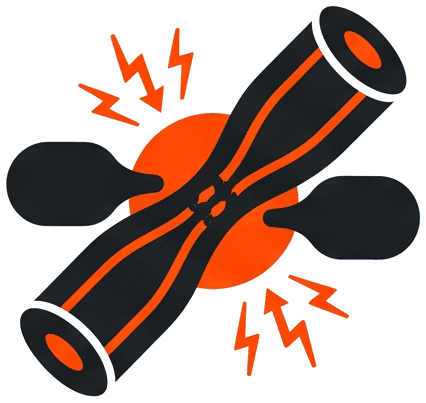
Pinched Nerve
A pinched nerve is a mechanical problem — a disc, joint, or inflamed tissue pressing on a nerve where it exits the spine. The pain, tingling, or numbness travels the nerve's path, which is why arm symptoms so often start in the neck.
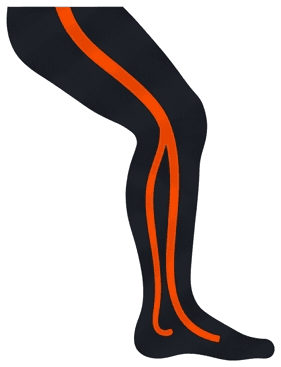
Sciatica
Non-surgical care for sciatic nerve pain using spinal decompression, corrective chiropractic, and supporting therapies.
Services Related to This Post
Keep Reading
Related articles
Numbness and Tingling in Hands: What's Causing It (and When to Get It Checked)
That pins-and-needles feeling in your hands can trace back to your wrist, your elbow, or your neck. Here's how to tell the difference — and when to get it checked.
Read articlePiriformis Syndrome vs. Sciatica: How to Tell the Difference
Buttock and leg pain can be piriformis syndrome or sciatica — two different problems with different care paths. Here's how to tell them apart.
Read articleWhy Your Plantar Fasciitis Keeps Coming Back (And How to Stop It)
Treated your plantar fasciitis with rest, stretches, orthotics — and it still keeps returning? Here's what's actually going on and how to break the cycle.
Read article