

Condition
Pinched Nerve
Pressure on a nerve doesn't stay where it starts
A pinched nerve is a mechanical problem — a disc, joint, or inflamed tissue pressing on a nerve where it exits the spine. The pain, tingling, or numbness travels the nerve's path, which is why arm symptoms so often start in the neck.
By Dr. Logan Swaim · Last updated July 17, 2026
Get help with Pinched Nerve
Three quick questions — we'll call you within 24 business hours.
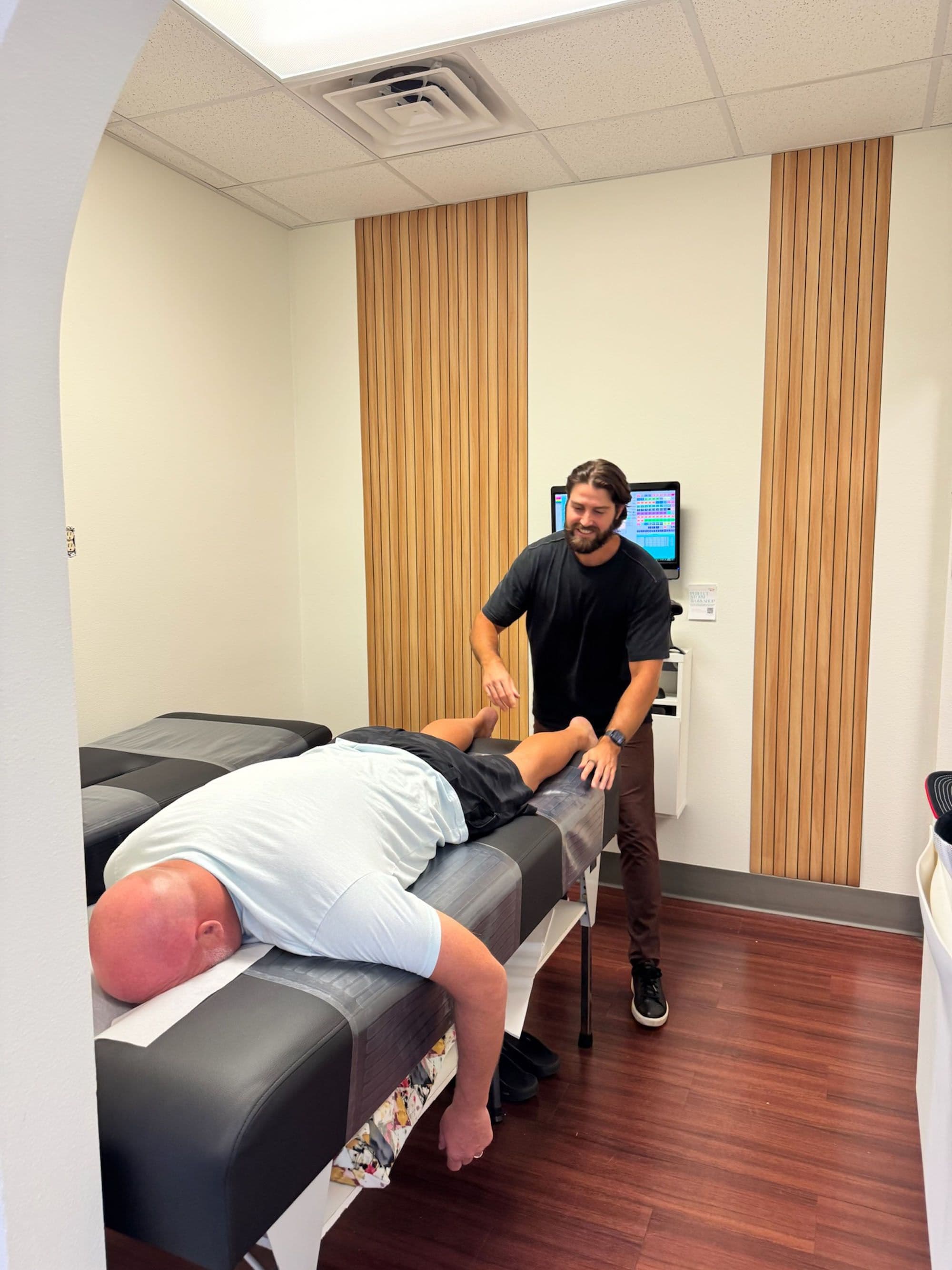
Understanding Pinched Nerve
What It Is & Why It Happens
A pinched nerve happens when something compresses or irritates a nerve — most often where it exits the spine through a narrow opening between vertebrae. A bulging disc, a misaligned joint, bone spurs, or swollen surrounding tissue can all take up space the nerve needs. The nerve responds the only way it can: pain, tingling, numbness, burning, or weakness, felt not just at the point of compression but anywhere along the nerve's path.
The neck is where we see this most. A pinched nerve in the cervical spine — what clinicians call cervical radiculopathy — sends symptoms traveling from the neck into the shoulder blade, down the arm, and into specific fingers depending on which nerve level is involved. Some people wake up with it after sleeping in an awkward position; for others it builds gradually from years of forward-head posture, a disc that has started to bulge, or joints that have lost healthy motion. A telling detail: the neck itself doesn't always hurt. Plenty of people come in for arm pain or hand tingling and are surprised to learn the source sits at the base of their neck.
The same mechanics play out lower down. A pinched nerve in the lumbar spine often shows up as sciatica — pain radiating through the buttock and down the leg. Wherever it happens, a compressed nerve is a mechanical problem, and it deserves a mechanical answer: find exactly where the pressure is and relieve it. Our new patient visit includes a consultation, a full neurological evaluation, and any necessary X-rays, so care decisions rest on what's actually happening in your spine rather than a guess.
Care at our office centers on the Torque Release Technique — a gentle, instrument-based adjustment with no twisting or cracking — to restore motion and position at the level compressing the nerve, with spinal decompression added when a disc is the driver. One honest distinction worth making: if numbness or burning affects both hands or both feet in a glove-and-stocking pattern, that points toward peripheral neuropathy — a different mechanism involving the nerves themselves rather than compression at the spine. Our sister practice, The Roots Neuropathy (therootsneuropathy.com), focuses on exactly that pattern.
Common Symptoms
Signs You Might Be Dealing With Pinched Nerve
- Sharp or burning pain that radiates from the neck into the shoulder, arm, or hand
- Tingling or pins-and-needles in specific fingers
- Numbness in part of the arm, hand, or leg
- Weakness in grip or arm strength
- Pain that worsens with certain head or neck positions
- Low back pain radiating through the buttock and down the leg
- Symptoms that flare after sleeping in an awkward position
How We Help
Our Treatment Approach
- Full neurological evaluation to identify exactly which nerve level is compressed
- Necessary X-rays to see the disc spacing and alignment at the affected level — included in the new patient visit
- Gentle Torque Release Technique adjustments to restore motion at the level pressing on the nerve — no twisting or cracking
- Spinal decompression therapy when a bulging or herniated disc is the driver of the compression
- Posture and sleep-position guidance to stop re-aggravating the nerve between visits
- Honest referral guidance when symptoms point to peripheral neuropathy rather than spinal compression
From Our Doctors
Hear it from the team
Dr. Logan Swaim — Gentle Chiropractic no Cracking”
More from the team
Services That Help
Treatments for Pinched Nerve
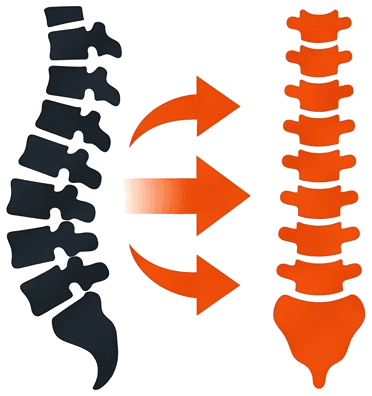
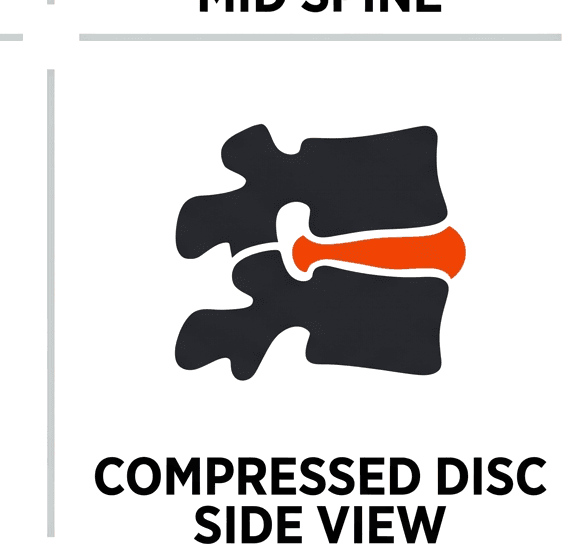
Related Symptoms
Symptoms Often Linked to Pinched Nerve

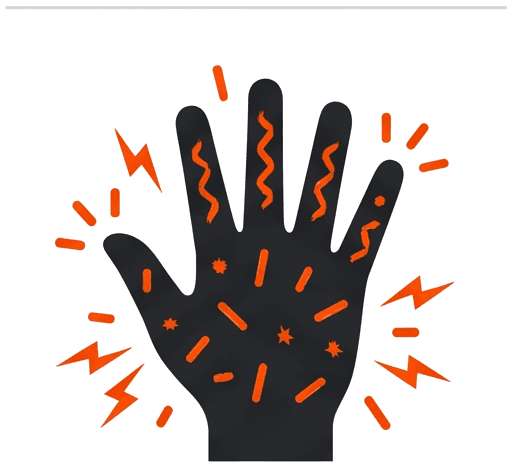

Related Conditions
You May Also Be Dealing With


Read More
Articles About Pinched Nerve
Pinched Nerve: Signs, Causes, and How to Find Relief
Numbness, tingling, or radiating pain? Learn what a pinched nerve is, where they happen, how to relieve one at home, and when to seek care.
Neck Pain That Won't Let Up: What's Causing It and How to Find Relief Without Surgery
Neck pain has many causes, from posture to a pinched nerve. Here's how to tell what's behind yours, the red flags to know, and a non-surgical path to relief.
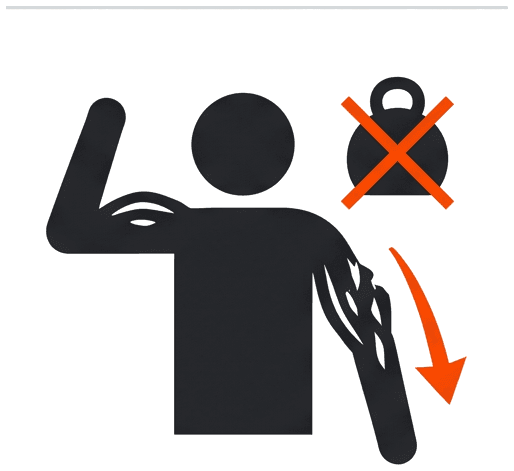
Thoracic Outlet Syndrome: The Numb-Arm Mystery Explained
Numb, heavy, or tingly arm — especially overhead? Thoracic outlet syndrome is often misdiagnosed. Here's what it is and non-surgical options that may help.
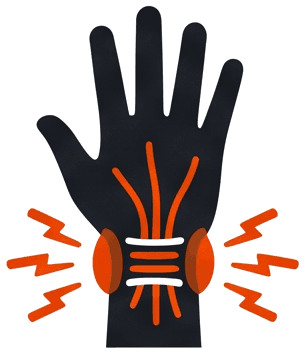
Carpal Tunnel Without Surgery: A Different Approach
Most carpal tunnel surgeries don't actually fix the underlying problem. Here's why — and what to try first.
Common Questions
Frequently Asked Questions
Who You'll See
Doctors who see this every week
The Roots Health Centers is led by the same doctors at every visit — no rotating providers. Care starts with a full neurological evaluation, and a doctor walks you through what it found before anything else is recommended.



Care for pinched nerve
Inside the plan.

Dr. Fox at work.

Dr. Laura in the office.

Dr. Logan in the office.
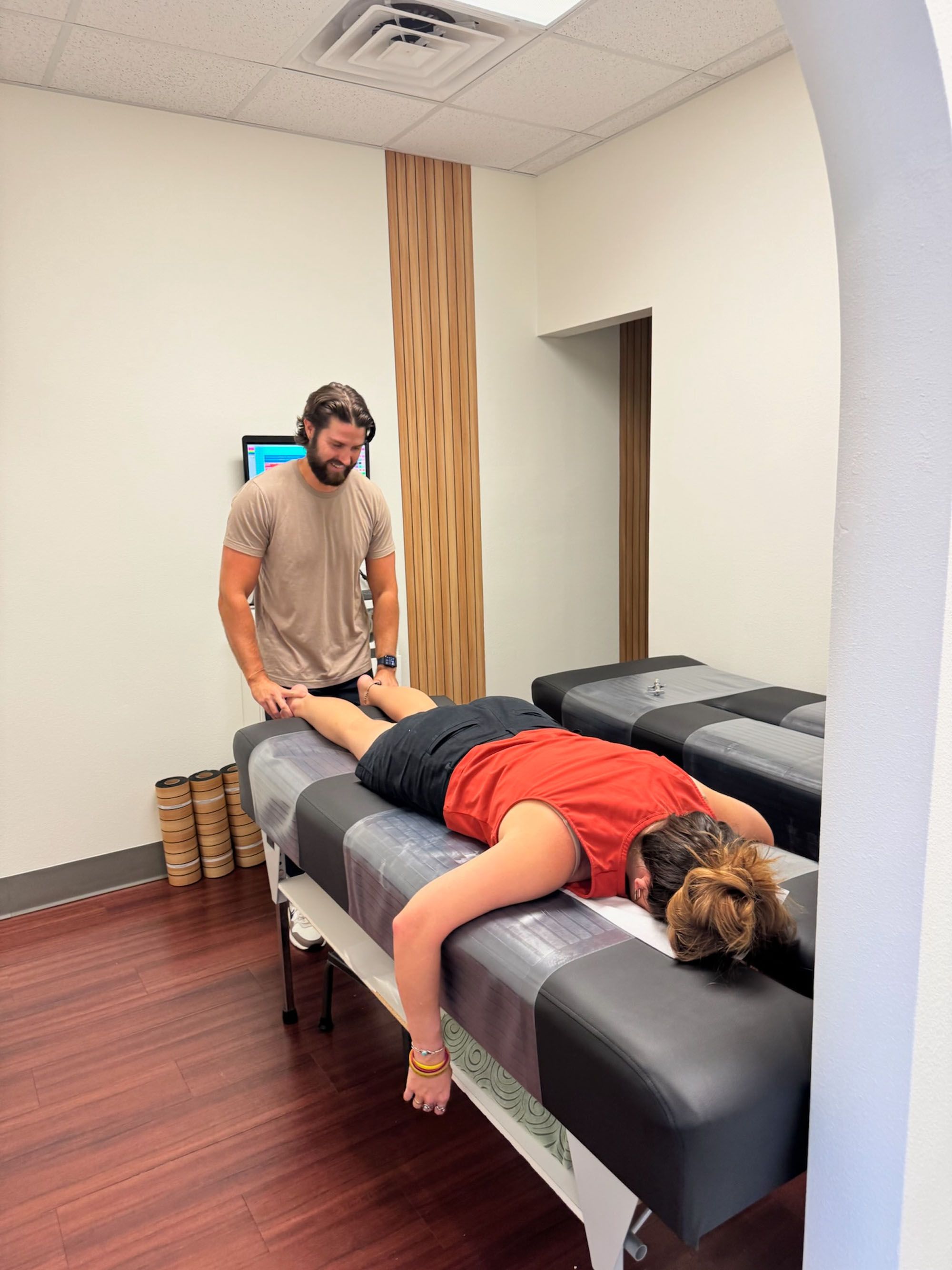
Precision over pressure.
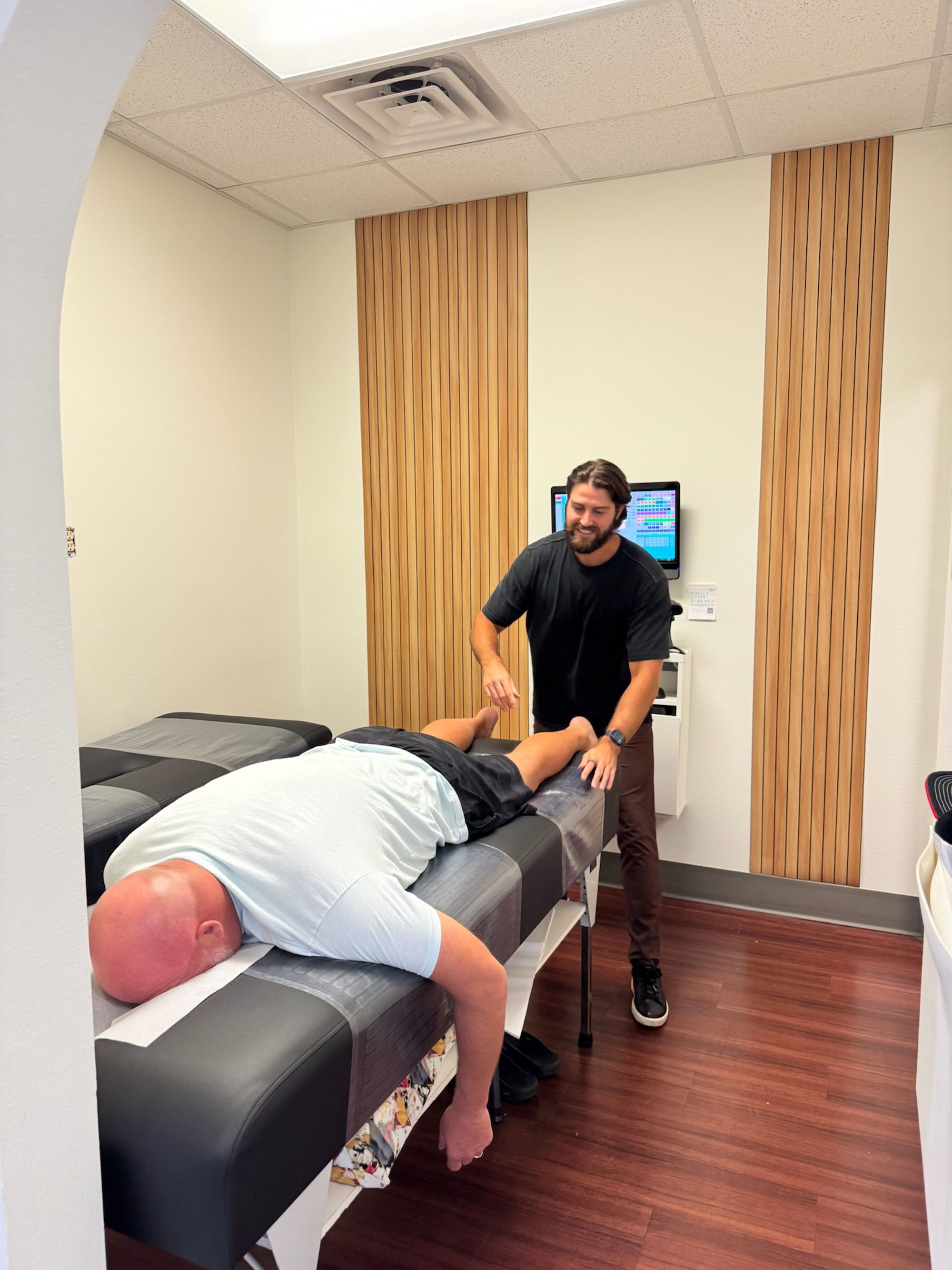
Precision over pressure — care that addresses the cause.

Dr. Logan's neuropathy book — free at every visit.
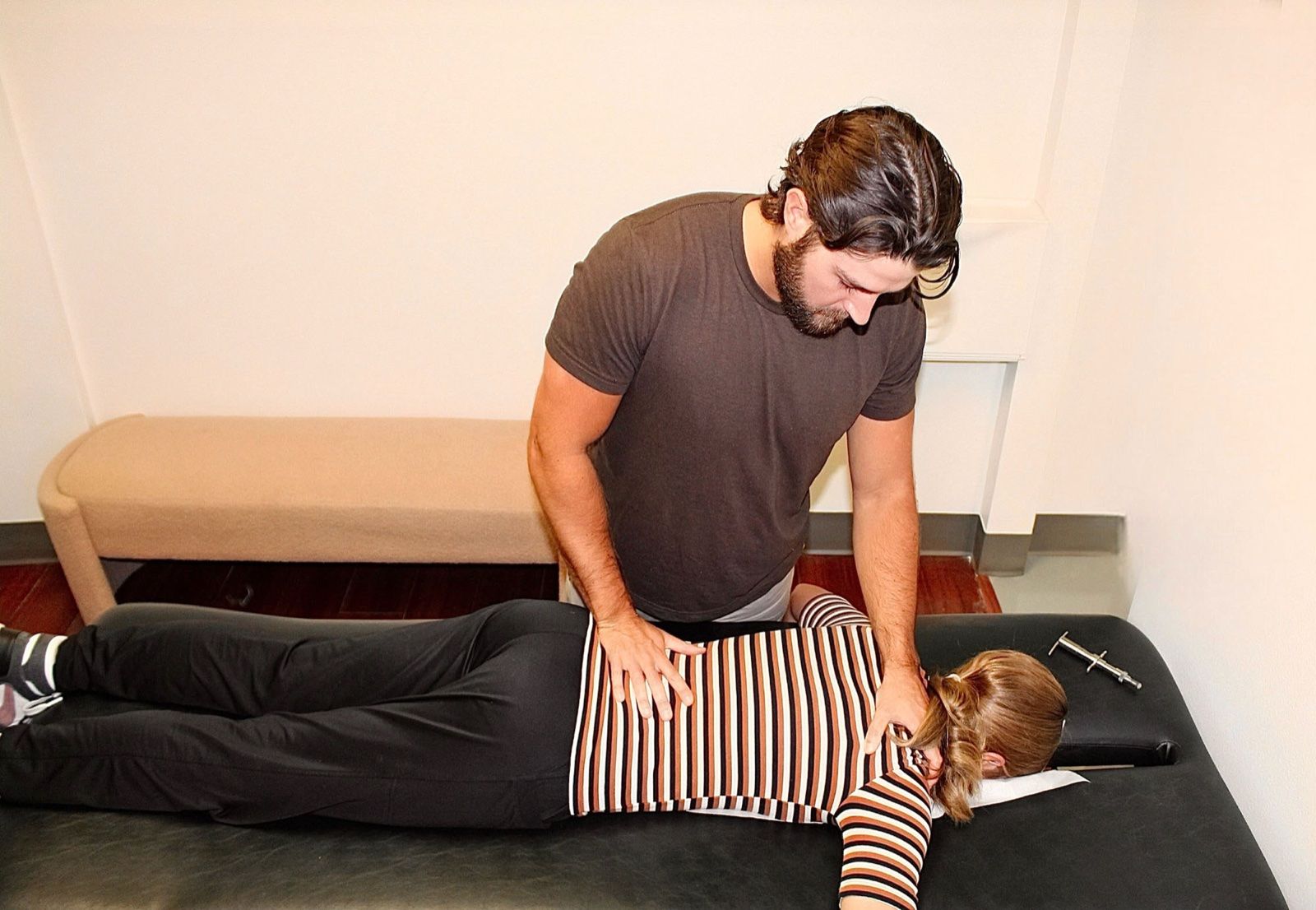
Dr. Fox at work.

Carly — patient care that feels like family.
Keep Exploring
See patient case studies
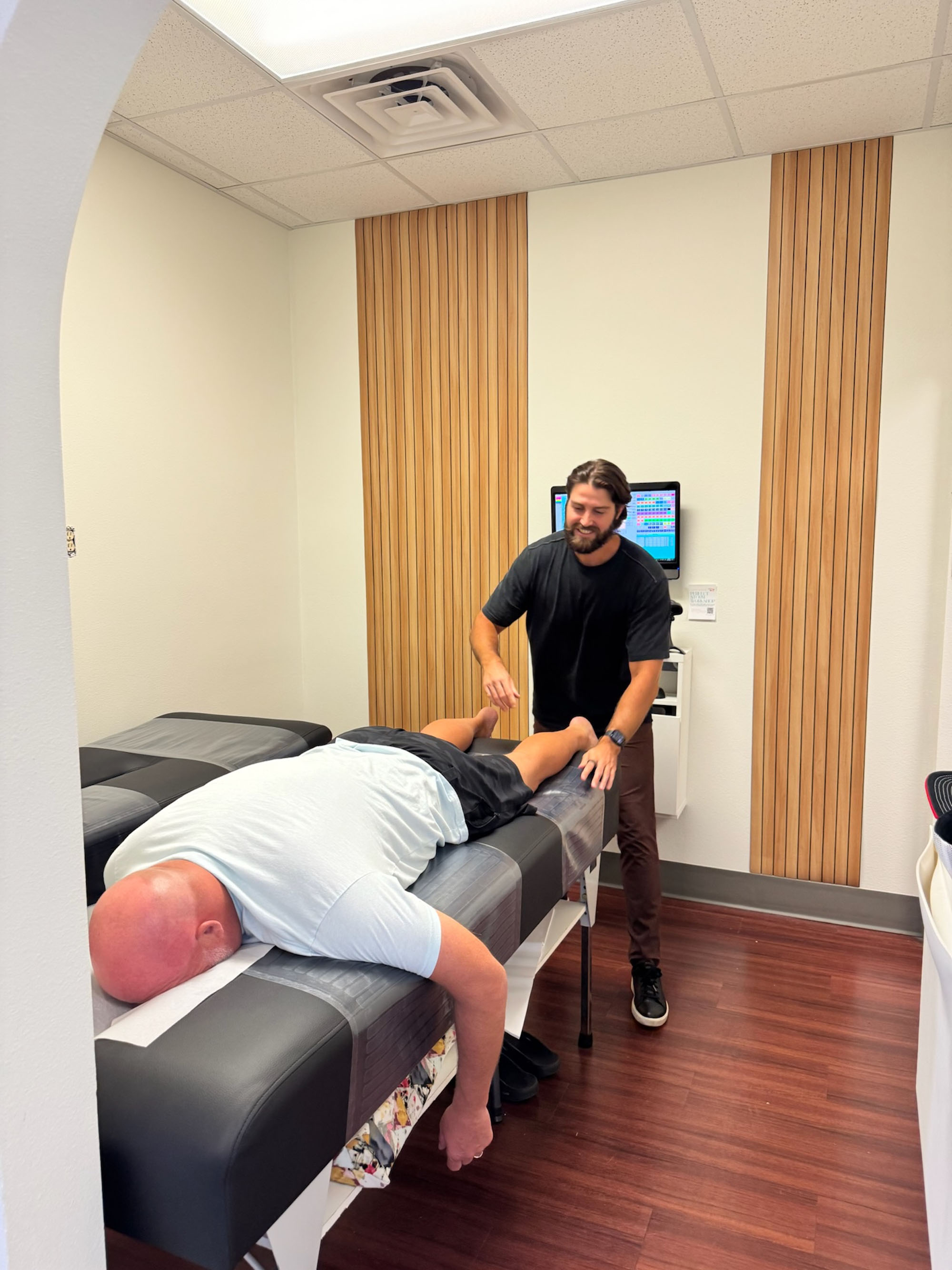
Real Patient Stories
Real patients.
Documented, start to finish.
Ready to Address
the Root Cause?
Schedule a comprehensive exam and let's build a plan that actually works.
*Includes consultation, neurological exam, scans & x-rays (if needed)