
Sciatica: What Causes It, What It Feels Like, and How to Find Relief Without Surgery
Sciatica is pain that travels along the sciatic nerve, the longest nerve in your body, which runs from your lower back through each hip and down the back of the leg. It is not just back pain. True sciatica is usually felt as a sharp, burning, or electric pain that shoots down one leg, often past the knee, and it happens when something presses on or irritates the nerve root where it exits the spine. The good news: most cases improve without surgery and without long-term medication. At The Roots Health Centers in Lakewood Ranch, FL, we help people find sciatica pain relief by addressing the source of the nerve irritation through corrective chiropractic care and non-surgical spinal decompression.
What is the sciatic nerve, really?
Your sciatic nerve is about as thick as your thumb where it leaves the spine. It forms from nerve roots in your lower spine (the L4 through S3 levels), then runs deep through the buttock and down the back of each leg, branching toward the calf, foot, and toes.
That long path is why sciatica can feel so far from your back. When a nerve root gets compressed or inflamed near the spine, the pain, tingling, or weakness shows up downstream — in the hip, thigh, calf, or foot. The problem is at the root, but you feel it down the line.
This is also why sciatica is a symptom, not a diagnosis. It tells us a nerve is unhappy. The real work is finding out why.
Sciatica vs. back pain: how to tell the difference
Plenty of people use "sciatica" and "back pain" to mean the same thing, but they are not identical. Knowing the difference helps you describe what you feel and get the right care.
- Ordinary low back pain tends to stay in the back, hips, or the top of the buttocks. It often feels achy, stiff, or sore, and it usually doesn't travel far.
- Sciatica follows the nerve. It radiates down the leg, frequently past the knee, and can bring numbness, pins-and-needles, or weakness along the way.
A simple rule of thumb: if the pain stays north of the buttock crease, it's more likely a lower back pain issue. If it shoots down the leg as radiating pain, that points toward the sciatic nerve.
The two often overlap. Many people feel both a stiff, sore low back and a line of pain running down one leg, because the same disc or joint problem can irritate local tissue and the nerve root at once.
What does sciatica feel like? Common symptoms
Sciatica almost always affects one side at a time. The way it shows up varies from person to person, but the most common sciatica symptoms include:
- A sharp, shooting, or burning pain that runs from the low back or buttock down the back of one leg
- An electric-shock sensation that flares when you stand, twist, cough, or sneeze
- Tingling or pins-and-needles in the leg or foot
- Numbness in the leg or foot along the nerve's path
- Weakness in the leg, or a foot that feels heavy or hard to lift
- Pain that worsens after sitting for long stretches
Many people describe it as deep and relentless, not the kind of soreness you can stretch away in a minute. It can make sitting at a desk, driving across Lakewood Ranch, or standing through a round of golf genuinely tough.
What causes sciatica? The most common root causes
Sciatica starts when a nerve root in the lower spine gets compressed, pinched, or inflamed. Several things can cause that. Pinpointing which one is happening is the key to lasting relief.
Herniated or bulging disc
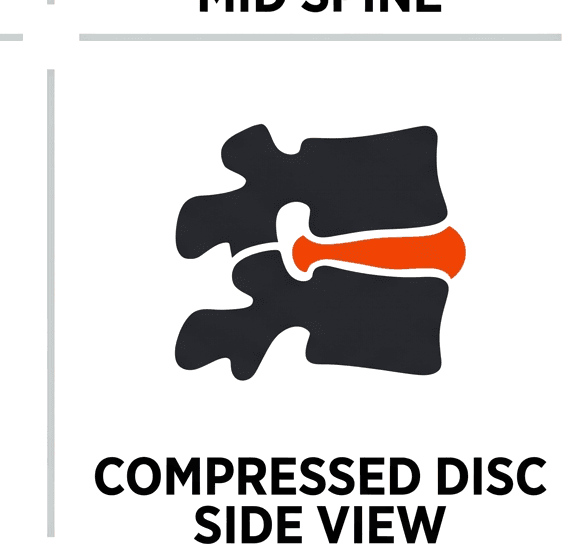
This is the most common cause. The soft discs between your vertebrae act as cushions. When the outer layer of a disc weakens, the inner material can push out and press on a nearby nerve root. A herniated disc in the lower back is a frequent source of sciatic pain.
Spinal stenosis
Spinal stenosis is a narrowing of the spaces inside the spine, which leaves less room for the nerves. It's more common with age and often brings sciatica that eases when you sit or lean forward and worsens when you stand or walk.
Piriformis irritation
The piriformis is a small muscle deep in the buttock, and the sciatic nerve runs right beside it. When that muscle is tight or in spasm, it can irritate the nerve and create sciatica-like pain in the hip and leg.
Spinal misalignment and joint dysfunction
When the bones of the lower spine and pelvis aren't moving and sitting the way they should, the resulting stress can crowd or irritate a nerve root. This is where corrective chiropractic care often helps the most, because it addresses the mechanical position and motion of the spine directly.
Other contributors include pregnancy, prolonged sitting, heavy or repetitive lifting, and being overweight. Often it's a combination, not a single villain.
Red flags: when to seek prompt medical care
Most sciatica is not an emergency, and it tends to settle with the right care. But a few warning signs mean you should seek medical attention right away, because they can signal a serious problem with the nerves:
- Loss of bladder or bowel control, or trouble starting or stopping urination
- Numbness in the saddle area — the inner thighs, groin, or buttocks (the area that would touch a saddle)
- Progressive or sudden weakness in one or both legs that's getting worse
- Sciatica that follows a fall, accident, or other significant injury
- Severe pain paired with fever or unexplained weight loss
If you notice any of these, don't wait for an appointment — seek emergency care. Chiropractic care complements medical evaluation; it does not replace it, and these red flags always come first.
Why does sciatica keep coming back?
Many people get short-term relief, then the pain returns weeks or months later. That cycle usually happens because the symptom was quieted but the source was never addressed.
Rest, ice, and anti-inflammatories can calm a flare-up. They don't change a disc that's still pressing on a nerve, a spine that isn't moving well, or posture and movement habits that keep reloading the same joint. As soon as you return to normal life, the irritation comes back.
Lasting relief comes from changing what's happening at the nerve root — taking pressure off the nerve, restoring healthy motion to the spine, and supporting the tissues around it so the area can settle and stay settled.
How to relieve sciatica without surgery or drugs
Surgery is sometimes necessary, but for most people it's a last resort, not a first step. There's a lot that can be done first to relieve sciatica naturally. Here's the non-surgical, non-drug path we take at The Roots.
Corrective chiropractic care
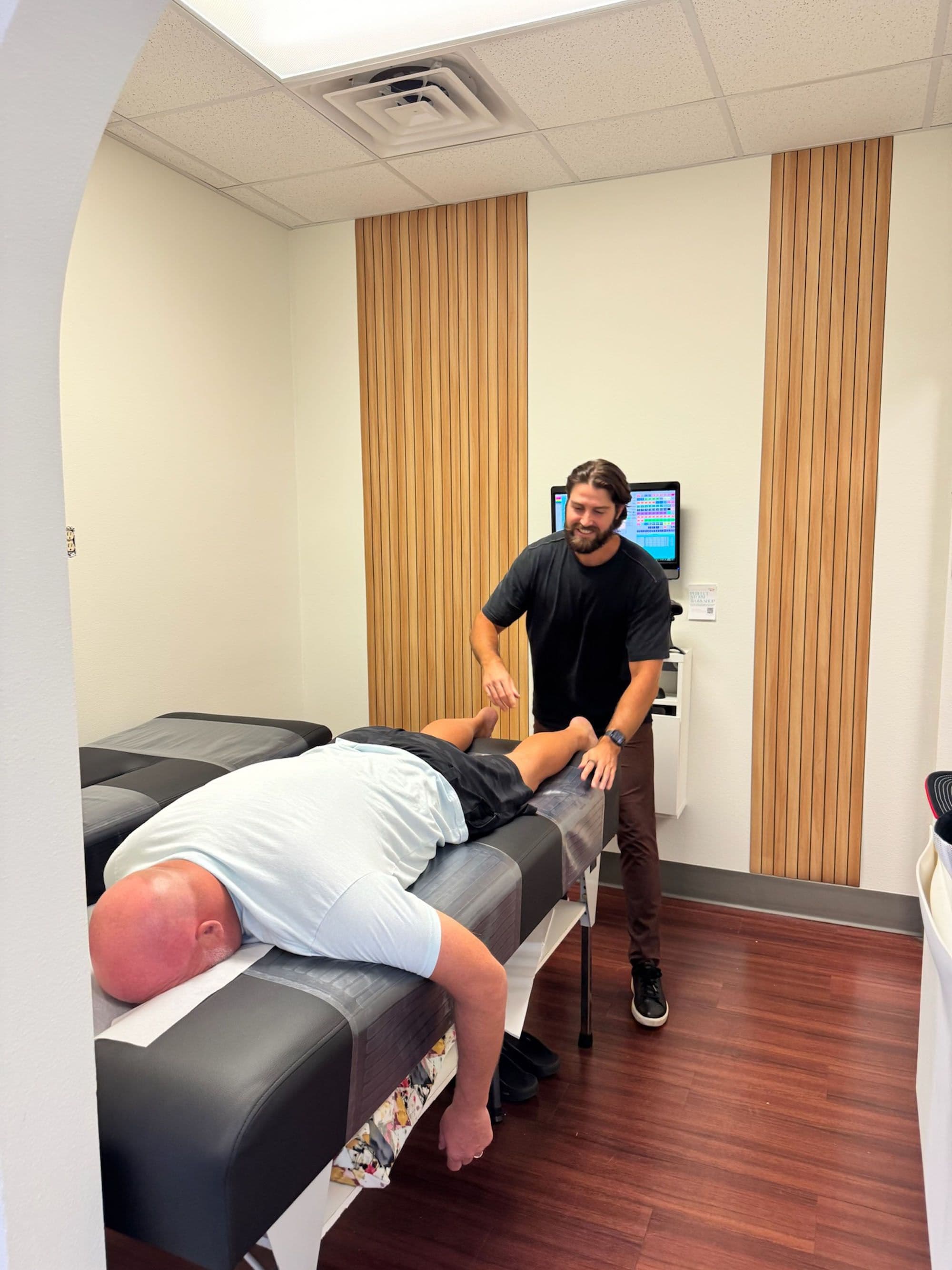
We use the Torque Release Technique, a gentle, precise adjustment method, to improve how the lower spine and pelvis move and sit. Restoring healthy alignment and motion can take mechanical pressure off an irritated nerve root and support the body's own ability to calm the area. Our chiropractic care is tailored to what your spine is actually showing us, not a one-size-fits-all routine.
Non-surgical spinal decompression
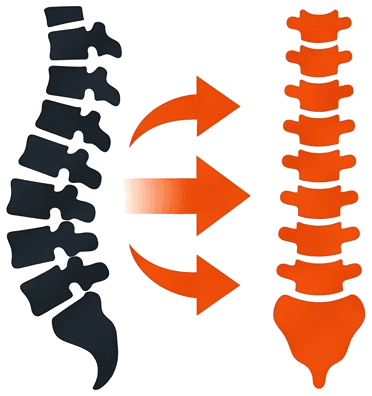
For sciatica driven by a disc, non-surgical spinal decompression gently stretches the spine to create space between the vertebrae. That decompression helps take pressure off the disc and nerve, which can ease the radiating leg pain at its source — without injections or an operating room.
Targeted soft-tissue support
When tight muscles like the piriformis are part of the picture, therapies such as shockwave therapy can support the surrounding soft tissue and help the area recover.
Movement and daily habits
Gentle, specific movement usually beats bed rest. Long bouts of sitting tend to aggravate the sciatic nerve, so we coach simple changes — how you sit, stand, lift, and move through your day — to keep pressure off the nerve while it settles.
Because every spine and every case is different, we take a personalized approach. After a full neurological evaluation and any necessary X-rays, our team builds a care plan around what your body needs.
Where to start in Lakewood Ranch
If sciatica is keeping you from sitting comfortably, sleeping well, or moving the way you want, you don't have to settle for "live with it" or jump straight to surgery. Understanding what's irritating the nerve is the first step toward real, lasting relief.
You can explore the conditions we care for and our full range of services, or meet the team who would be working with you. When you're ready, we'd be glad to talk it through in person.
Ready for answers? Book a complimentary consultation at The Roots Health Centers in Lakewood Ranch, FL, or call us at (941) 877-1507. Come in, meet the team, and learn what a non-surgical path to sciatica relief could look like for you. No commitment to start care.
Frequently Asked Questions
Is sciatica the same as back pain?
Not quite. Back pain usually stays in the back, hips, or upper buttocks, while sciatica radiates down one leg along the sciatic nerve, often past the knee. The two frequently overlap, because the same disc or joint problem can irritate both local tissue and the nerve root.
How long does sciatica last?
It varies. Many flare-ups calm down over a few weeks, especially with the right care, but sciatica often returns if the underlying cause is never addressed. Lasting relief usually depends on taking pressure off the nerve at its source rather than only quieting the symptom.
Can a chiropractor help with sciatica?
Yes, chiropractic care is a common non-surgical option for sciatica. By improving how the lower spine and pelvis move and sit, gentle corrective adjustments can help take mechanical pressure off an irritated nerve root. Care is personalized after a full evaluation, and it complements — not replaces — medical care.
What is the fastest way to relieve sciatica at home?
Gentle movement usually helps more than bed rest, since long periods of sitting tend to aggravate the nerve. Short walks, changing positions often, and applying ice or heat can ease a flare-up. These steps calm symptoms but don't fix the root cause, so see a provider if pain persists or worsens.
When should I worry about sciatica?
Seek prompt medical care if you have loss of bladder or bowel control, numbness in the saddle area (inner thighs, groin, or buttocks), or progressive weakness in a leg. These are red flags that need immediate attention. Otherwise, persistent or worsening sciatica is worth a professional evaluation.
Does sciatica go away on its own?
Sometimes a mild episode settles on its own, but sciatica that keeps returning is a sign the underlying source — a disc, joint, or nerve irritation — hasn't been addressed. Getting to the root cause gives you the best chance at relief that actually lasts.
Conditions We Treat
Back Pain
Corrective chiropractic care that addresses the structural root cause of back pain — not just masking symptoms with medication.
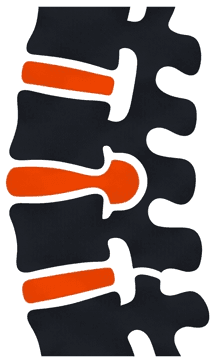
Herniated Disc
Non-surgical care for herniated and bulging discs using FDA-cleared spinal decompression, corrective chiropractic, and integrated soft-tissue therapies.
Spinal Stenosis
Non-surgical care for spinal stenosis using FDA-cleared decompression therapy and corrective chiropractic to take pressure off compressed nerves and restore comfortable walking.