
Neck Pain That Won't Let Up: What's Causing It and How to Find Relief Without Surgery

Neck pain is one of the most common reasons people walk into a chiropractor's office, and it's easy to see why. Your neck holds up the weight of your head, roughly 10 to 12 pounds, all day long, while staying mobile enough to turn, tilt, and nod thousands of times. When something in that system gets stiff, irritated, or misaligned, the discomfort can run from a dull ache to a sharp pain that shoots into the shoulder and makes it hard to drive, sleep, or check your blind spot. The encouraging part: most neck pain responds well to conservative, non-surgical care. At The Roots Health Centers in Lakewood Ranch, FL, we help people get to the source of their neck pain and find lasting relief without surgery or long-term medication.
Why your neck is so easy to aggravate
Your neck, the cervical spine, is built from seven small vertebrae stacked at the top of your spine. That stack does two jobs at once: it supports the head and protects the spinal cord and nerve roots that branch off toward your shoulders, arms, and hands. It's also the most mobile part of your spine, which is exactly what makes it vulnerable.
The same flexibility that lets you look around freely also means the neck takes on a lot of load and a lot of repetitive strain. Hours at a screen, a poor sleep position, an old injury, or simple daily wear can leave those joints stiff and the surrounding nerves irritated. Because the cervical nerves travel a long way, a problem in the neck doesn't always stay in the neck.
What does neck pain actually feel like?
Neck pain shows up differently from person to person. You might have one of these, or several at once:
- A stiff, sore neck that's hard to turn, especially first thing in the morning
- Sharp or catching pain when you look over your shoulder or tilt your head
- A deep ache that spreads into the shoulders and upper back
- Pain that travels down into the arm, sometimes with tingling or numbness in the hand
- Headaches that start at the base of the skull and creep up the back of the head
- Tightness that flares with stress and eases when you finally relax
Neck pain often favors one side, and it can come and go for weeks before it gets your attention. The pattern you feel is a clue to what's going on underneath.
What causes neck pain? The most common root causes
Lasting relief starts with naming the source. A few culprits show up again and again.
Posture and "tech neck"
Every inch your head drifts forward in front of your shoulders multiplies the load on your neck. Long hours looking down at a phone or laptop keep those muscles and joints under steady tension, a pattern so common it has a nickname. We dig into it in tech neck: the modern epidemic, and you can read more about the tech neck pattern itself.
Disc problems
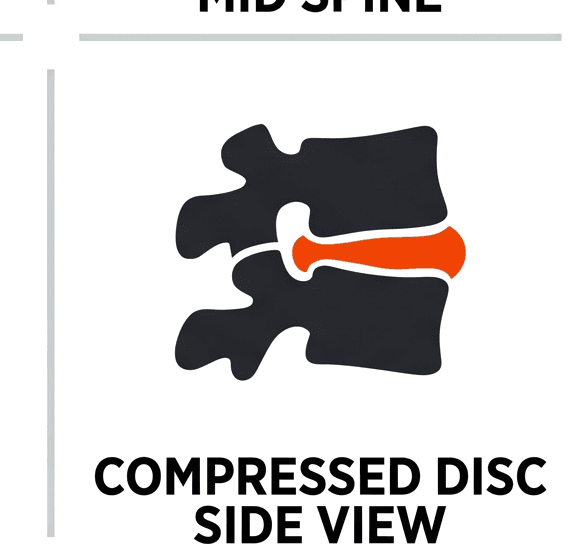
The cushioning discs between your cervical vertebrae can bulge or herniate, and when disc material presses on a nearby nerve root, the result is often neck pain paired with arm symptoms.
A pinched nerve
When a nerve where it exits the neck gets compressed or inflamed, you can feel pain, tingling, or weakness that travels down the arm. Here's a closer look at the signs of a pinched nerve and what helps.
Whiplash and old injuries
A car accident, a fall, or a sports collision can strain the soft tissues of the neck, and the stiffness sometimes shows up days later. That delay is exactly why whiplash symptoms can be deceptive.
Joint and alignment issues
When the small joints of the neck aren't moving and sitting the way they should, the surrounding tissue and nerves take the stress. This is often where corrective chiropractic care makes the biggest difference, because it addresses how the neck actually moves.
Stress and muscle tension
The neck and shoulders are where a lot of people hold stress. Chronically tight muscles can create real, lingering pain on their own, or amplify a problem that started somewhere else.
When neck pain travels down the arm
Plain muscular neck pain tends to stay local, an ache or stiffness in the neck and shoulders. When a nerve gets involved, the picture changes.
The nerves that leave your cervical spine feed your shoulders, arms, and hands, so an irritated nerve root in the neck can send radiating pain, pins-and-needles, or weakness all the way down the arm. If you're feeling symptoms in your hand or fingers, the real problem may be higher up at the nerve root, even though you feel it downstream. That distinction matters, because it changes what kind of care actually helps.
Red flags: when to seek prompt medical care
Most neck pain is not an emergency and settles with the right conservative care. But a few warning signs mean you should get medical attention right away:
- Neck pain that follows a car accident, fall, or hard blow to the head
- A high fever paired with a stiff neck that's hard to bend forward
- Progressive weakness, numbness, or clumsiness in an arm or hand
- Trouble with balance, coordination, or bladder and bowel control
- Severe pain that won't ease in any position
If any of these apply, don't wait for a routine appointment. Chiropractic care complements medical evaluation, it does not replace it, and these red flags always come first.
Why neck pain keeps coming back
A lot of people quiet their neck pain, then watch it return a few weeks or months later. That cycle usually means the symptom was calmed but the source was never addressed.
Rest, ice, heat, and over-the-counter medication can settle a flare-up, and that relief is real. What they don't change is a disc still pressing on a nerve, joints that aren't moving well, or the posture and daily habits that keep reloading the same part of your neck. As soon as life goes back to normal, the irritation returns. Relief that lasts comes from changing what's happening at the source.
How to relieve neck pain without surgery or drugs
For most people, surgery is a last resort, not a first step. There's a lot that can be done before it ever comes up. Here's the non-surgical, non-drug approach we take at The Roots.
Corrective chiropractic care
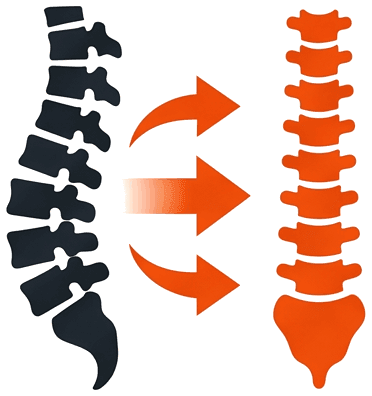
We use the Torque Release Technique, a gentle and precise adjusting method, to improve how the joints of the neck move and sit. Restoring healthy motion and alignment can take mechanical pressure off an irritated nerve and help the area calm down. Our chiropractic care is built around what your spine is actually showing us, not a one-size-fits-all routine.
Non-surgical spinal decompression
When a disc is part of the picture, non-surgical spinal decompression gently creates space between the vertebrae, which helps take pressure off the disc and nerve, often easing the arm symptoms at their source.
Targeted soft-tissue support
When tight, overworked muscles are feeding the problem, therapies such as shockwave therapy can support the surrounding soft tissue so the area can recover.
Movement and daily habits
Gentle, specific movement usually beats staying frozen in one position. We coach simple changes to how you sit, set up your screen, and sleep, including the best sleep positions for your spine, so you stop reloading the neck while it settles.
Because every neck is different, we start with a full neurological evaluation and any necessary X-rays, then build a personalized plan around what your body needs.
Where to start in Lakewood Ranch
If neck pain is making it hard to sleep, work, or simply turn your head, you don't have to choose between "live with it" and surgery. Understanding what's irritating your neck is the first real step toward lasting relief.
You can explore the conditions we care for and our full range of services, or meet the team who would be working with you. When you're ready, we'd be glad to talk it through in person.
Ready for answers? Book a complimentary consultation at The Roots Health Centers in Lakewood Ranch, FL, or call us at (941) 877-1507. Come in, meet the team, and learn what a non-surgical path to neck pain relief could look like for you. No commitment to start care.
Frequently Asked Questions
Can a chiropractor help with neck pain?
Yes, chiropractic care is one of the most common non-surgical options for neck pain. By improving how the joints of the neck move and sit, gentle corrective adjustments can help take pressure off irritated tissue and nerves. Care is personalized after a full evaluation, and it complements rather than replaces medical care.
Why does my neck hurt every morning?
Morning neck pain often comes down to sleep position and pillow support. Sleeping on your stomach twists the neck for hours, and a pillow that's too high or too flat leaves it unsupported. Side or back sleeping with a pillow that keeps your neck level with your spine tends to be easier on it.
Can neck problems cause headaches?
They can. Tension and joint irritation in the upper neck can refer pain into the back and sides of the head, a pattern often called a cervicogenic headache. When the neck is the source, addressing the neck is usually what brings relief.
How long does neck pain last?
Many flare-ups ease over a few days to a couple of weeks, especially with the right care. Neck pain that keeps returning is a sign the underlying cause hasn't been addressed, which is where a professional evaluation helps.
Is it bad to crack my own neck?
Occasionally feeling the urge to move a stiff neck is normal, but forcefully twisting it for relief over and over can aggravate already-irritated joints. If you constantly feel the need to crack your neck, that's usually a signal the area isn't moving well and is worth having looked at.
When should I see someone about my neck pain?
If your neck pain lingers beyond a week or two, keeps coming back, or travels into your arm with tingling or weakness, it's worth a professional evaluation. Seek prompt medical care for any of the red flags above, such as pain after an accident or progressive weakness.
Conditions We Treat

Neck Pain
Precise cervical adjustments and decompression that restore alignment, reduce nerve pressure, and eliminate chronic neck pain at its source.

Tech Neck
Forward head posture from daily screen use shifts the mechanical load on your cervical spine, compresses nerves, and drives chronic neck pain, headaches, and upper back tension. Corrective care addresses the structural change — not just the symptoms.
Herniated Disc
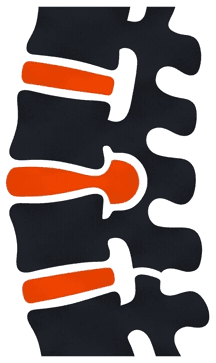
Non-surgical care for herniated and bulging discs using FDA-cleared spinal decompression, corrective chiropractic, and integrated soft-tissue therapies.
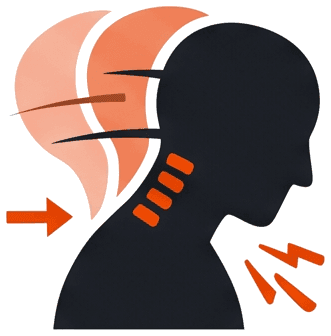
Whiplash
Comprehensive whiplash care for car accident victims — corrective chiropractic, decompression, and full PIP documentation within Florida's 14-day window.