Condition
Repetitive Strain Injuries
Overuse injuries that won't heal on rest alone
Tendinopathy, tennis elbow, golfer's elbow, carpal tunnel, and other repetitive strain injuries share a common problem: the tissue has broken down faster than it can repair. Shockwave therapy and corrective care rebuild capacity at the tissue level.
By Dr. Logan Swaim · Last updated May 22, 2026
Get help with Repetitive Strain Injuries
Three quick questions — we'll call you within 24 business hours.
Understanding Repetitive Strain Injuries
What It Is & Why It Happens
Repetitive strain injuries develop when cumulative mechanical load exceeds the tissue's capacity to recover. This happens across all demographics — keyboard workers with wrist and elbow pain, tradespeople with shoulder tendinopathy, athletes with patellar or Achilles tendon issues, golfers and tennis players with medial or lateral epicondylitis. What all of these have in common is that the problem isn't trauma; it's accumulated microtrauma that the tissue never had enough recovery time to repair.
Rest alone is rarely the answer. Tendons and connective tissues have a poor blood supply — which is why they take so long to heal in the first place, and why passive rest often stalls rather than accelerates recovery. Shockwave therapy addresses this directly. Acoustic pressure waves create controlled microtrauma that triggers a cellular healing response: fibroblasts migrate to the site, new collagen production increases, and blood vessel formation (neovascularization) is stimulated. Chronic tendinopathy that has been unresponsive for months often begins to respond within a few sessions.
The spinal component is also worth evaluating. Many repetitive strain injuries in the upper extremities are preceded or compounded by cervical misalignment — nerve compression that alters motor firing patterns and creates abnormal loading at the elbow, wrist, or shoulder. Corrective chiropractic evaluation identifies whether a neck issue is contributing to the peripheral problem, which changes the care plan meaningfully.
Common Symptoms
Signs You Might Be Dealing With Repetitive Strain Injuries
- Chronic pain in a tendon that worsens with activity and eases with rest (but never fully resolves)
- Lateral or medial elbow pain (tennis or golfer's elbow)
- Wrist or forearm pain and reduced grip strength
- Shoulder pain with reaching or overhead movement
- Pain that has persisted for more than 6–8 weeks despite rest
- Stiffness and tightness in the affected area first thing in the morning
- Pain that flares with returning to activity after a rest period
How We Help
Our Treatment Approach
- Shockwave therapy targeting the affected tendon to stimulate tissue repair and neovascularization
- Red light therapy for inflammation control and mitochondrial support at the injury site
- Cervical and thoracic evaluation for any neural contribution to upper-extremity RSI
- Torque Release Technique adjustments where spinal misalignment is contributing to the problem
- Load management guidance and activity modification to allow tissue remodeling
- Progressive return-to-activity planning to rebuild capacity without re-injuring
From Our Doctors
Hear it from the team
Dr. Logan Swaim — Red Light Therapy Overview”
Services That Help
Treatments for Repetitive Strain Injuries
Shockwave Therapy
For chronic pain that hasn't settled with rest or stretching. Drug-free and surgery-free, and each session takes 8–15 minutes.
Learn More
Corrective Chiropractic
Precise, progressive corrections that produce lasting structural change — not just temporary relief. Think of it like orthodontics for your spine.
Learn More
Red Light Therapy
Medical-grade red light therapy in a private, full-body room. Our DAHLIA Pinnacle Bed supports chronic pain, recovery, skin health, gut and neurometabolic health, and weight management — as part of a personalized care plan. Photobiomodulation that goes beyond a consumer sauna.
Learn MoreRelated Symptoms
Symptoms Often Linked to Repetitive Strain Injuries

Read More
Articles About Repetitive Strain Injuries
5 Signs Your Back Pain Isn't Just Muscular
Not all back pain is created equal. If you're experiencing these warning signs, the problem might be deeper than tight muscles.
What Is Corrective Chiropractic — And How Is It Different?
Most chiropractors focus on temporary symptom relief. Corrective chiropractic is designed to make lasting structural changes — here's how.
Common Questions
Frequently Asked Questions
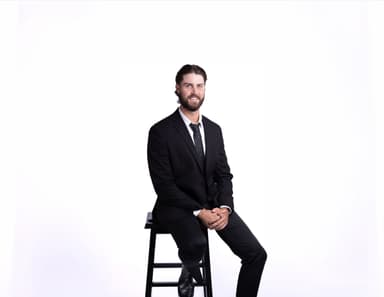
Who You'll See
Doctors who see this every week
The Roots Health Centers is led by the same doctors at every visit — no rotating providers. Care starts with a full neurological evaluation, and a doctor walks you through what it found before anything else is recommended.
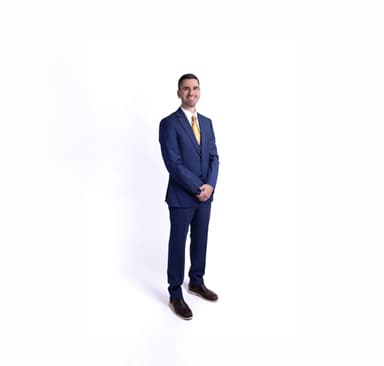

Care for repetitive strain injuries
Inside the plan.
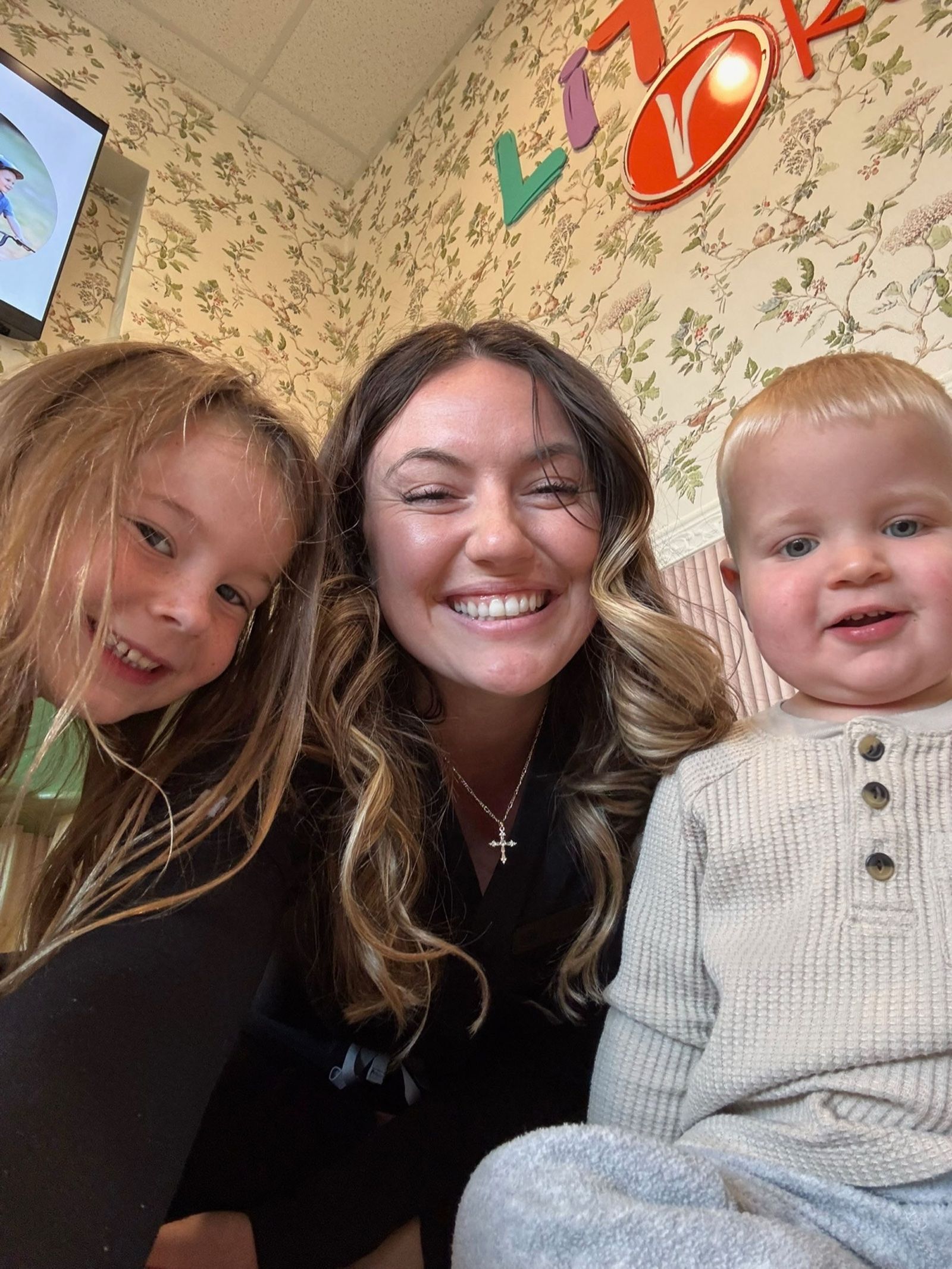
Carly — patient care that feels like family.
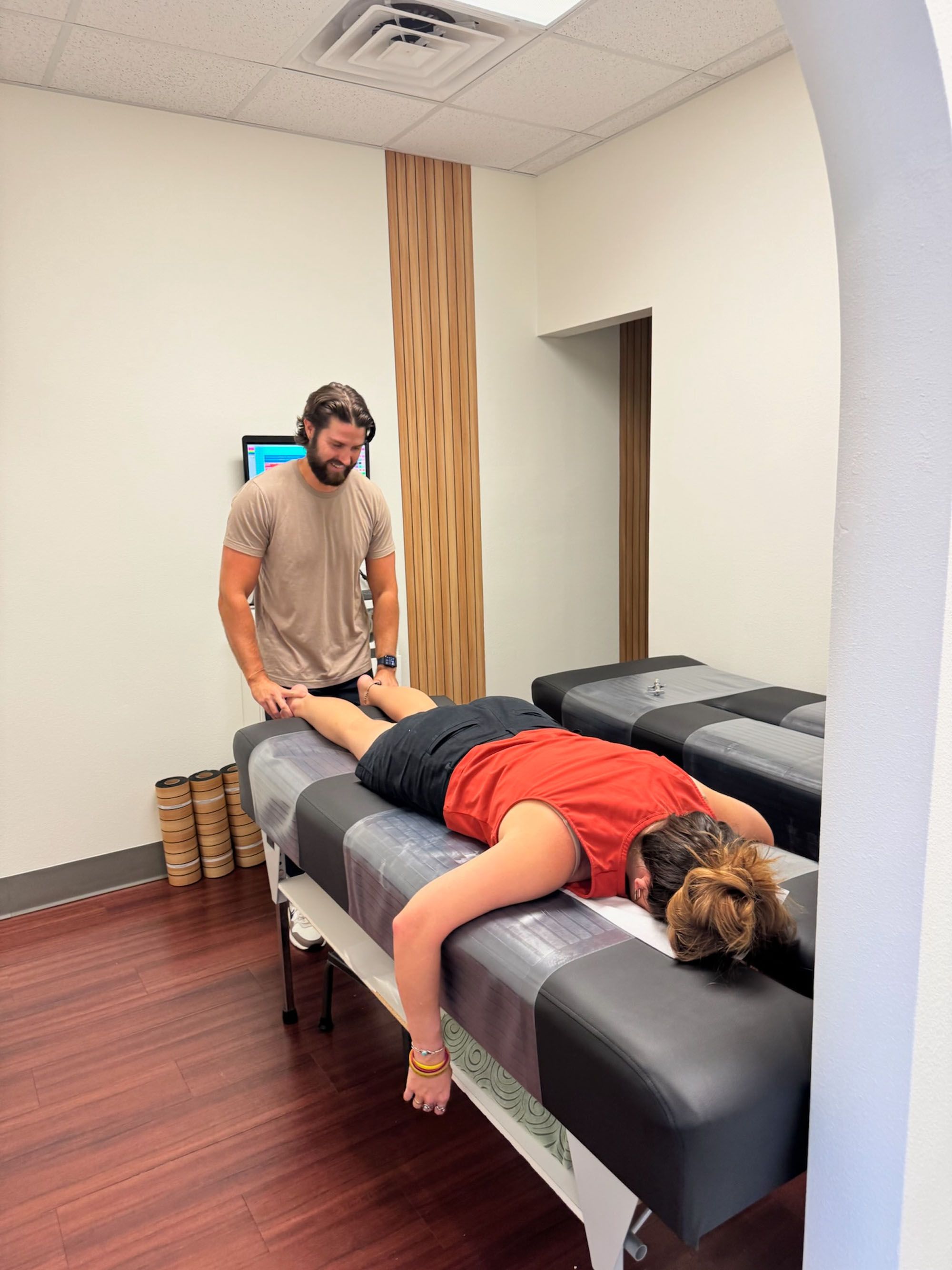
Precision over pressure.
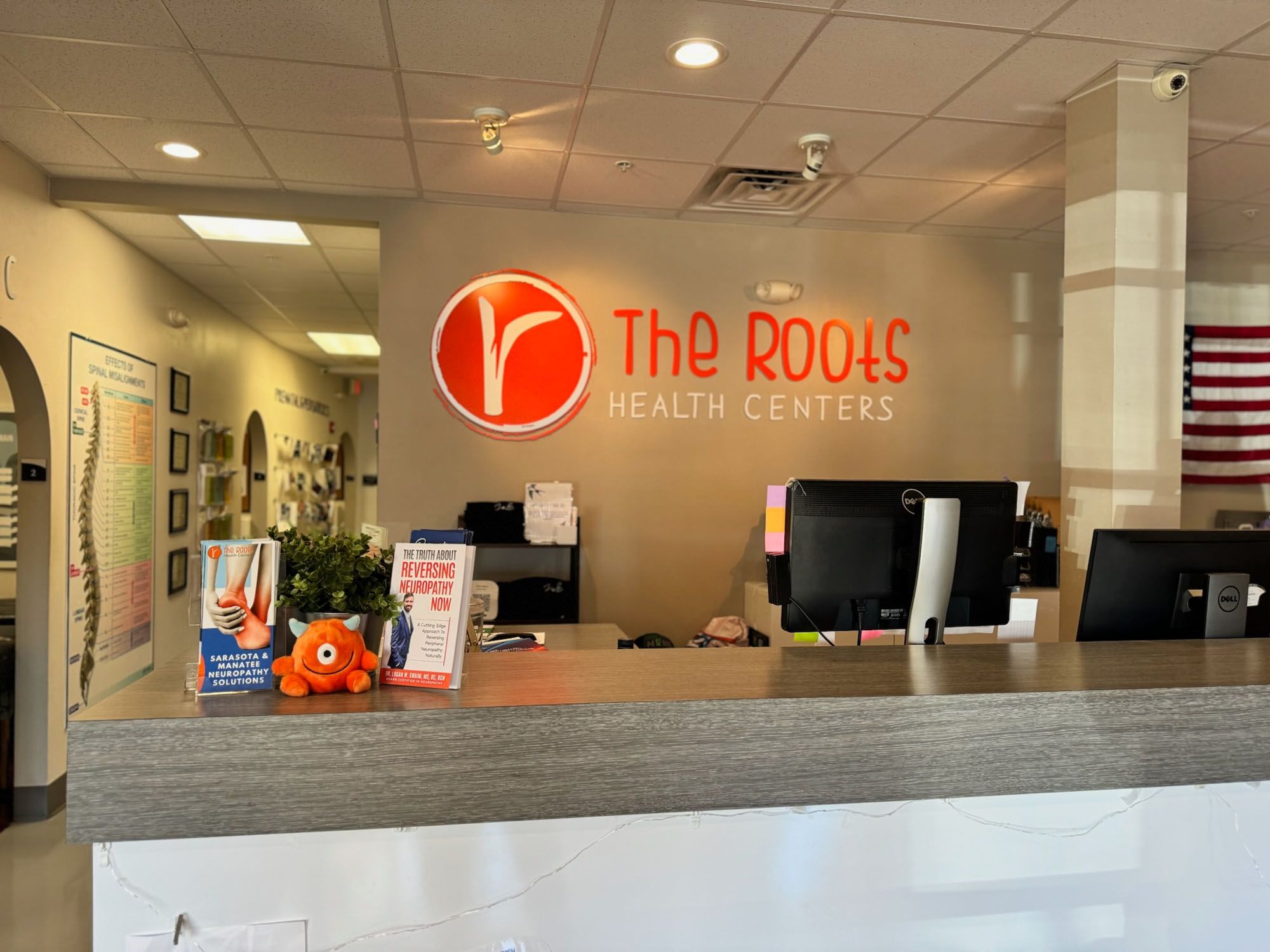
Dr. Logan's neuropathy book — free at every visit.
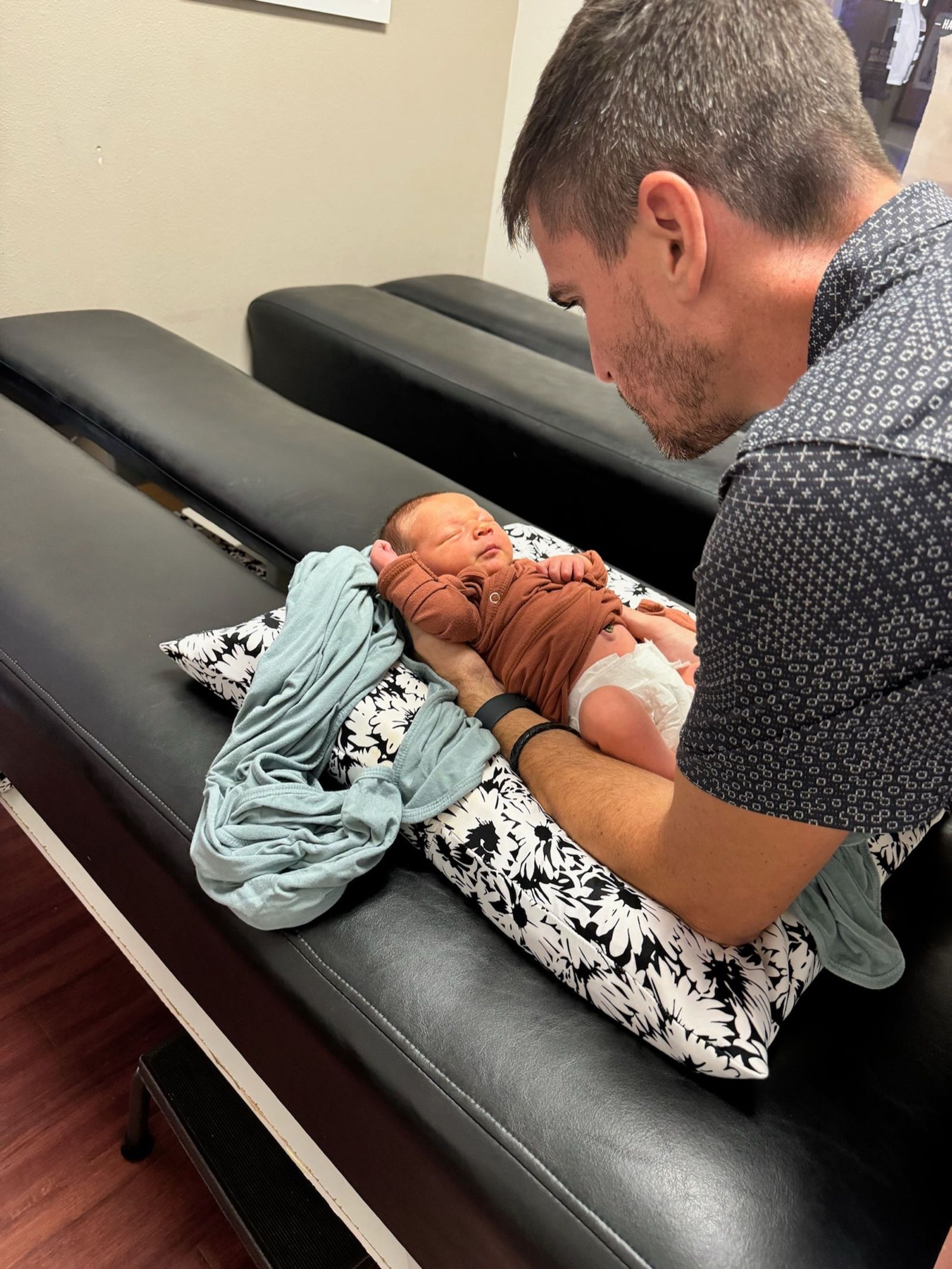
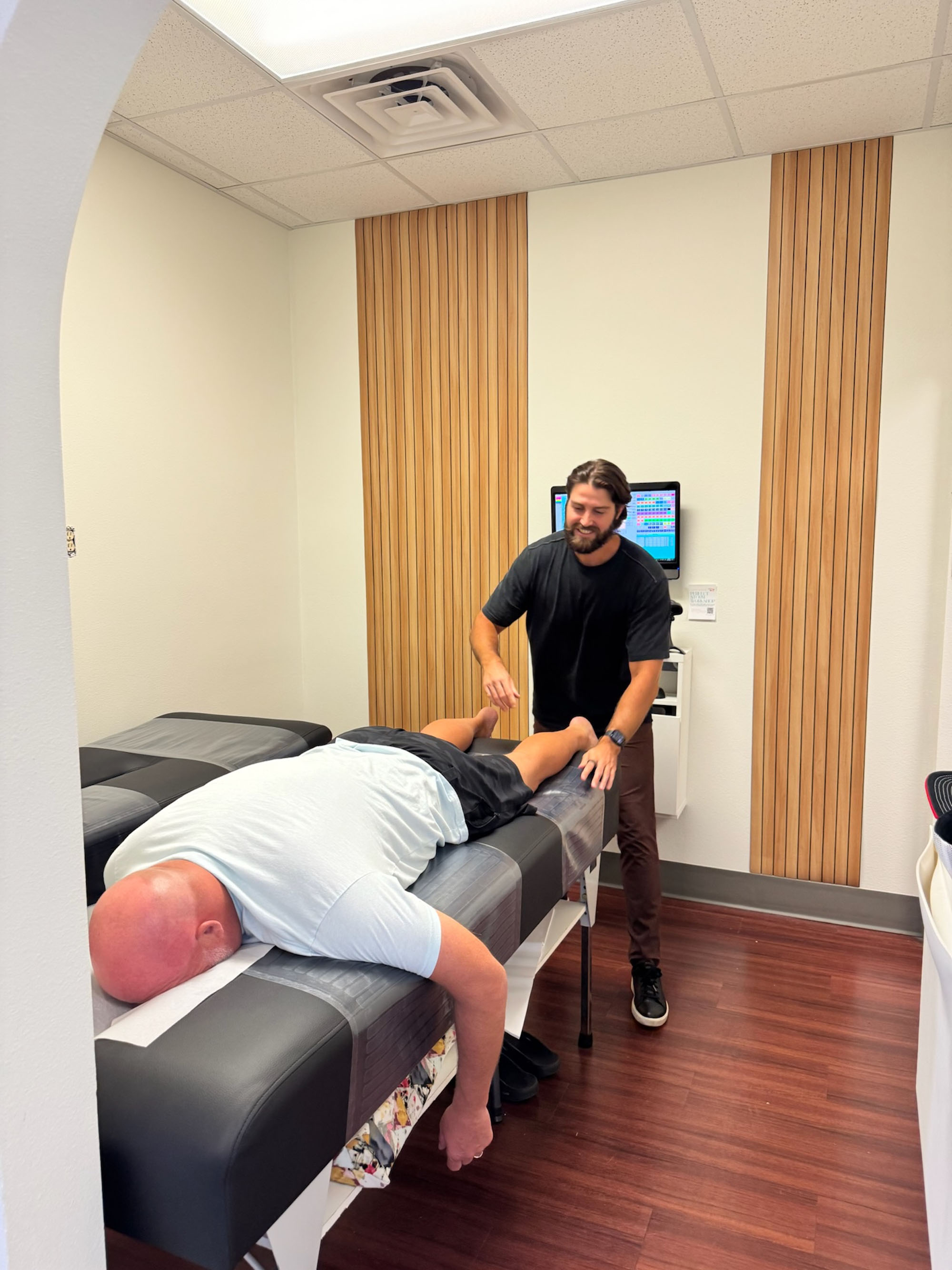
Dr. Logan in the office.
Carly — patient care that feels like family.
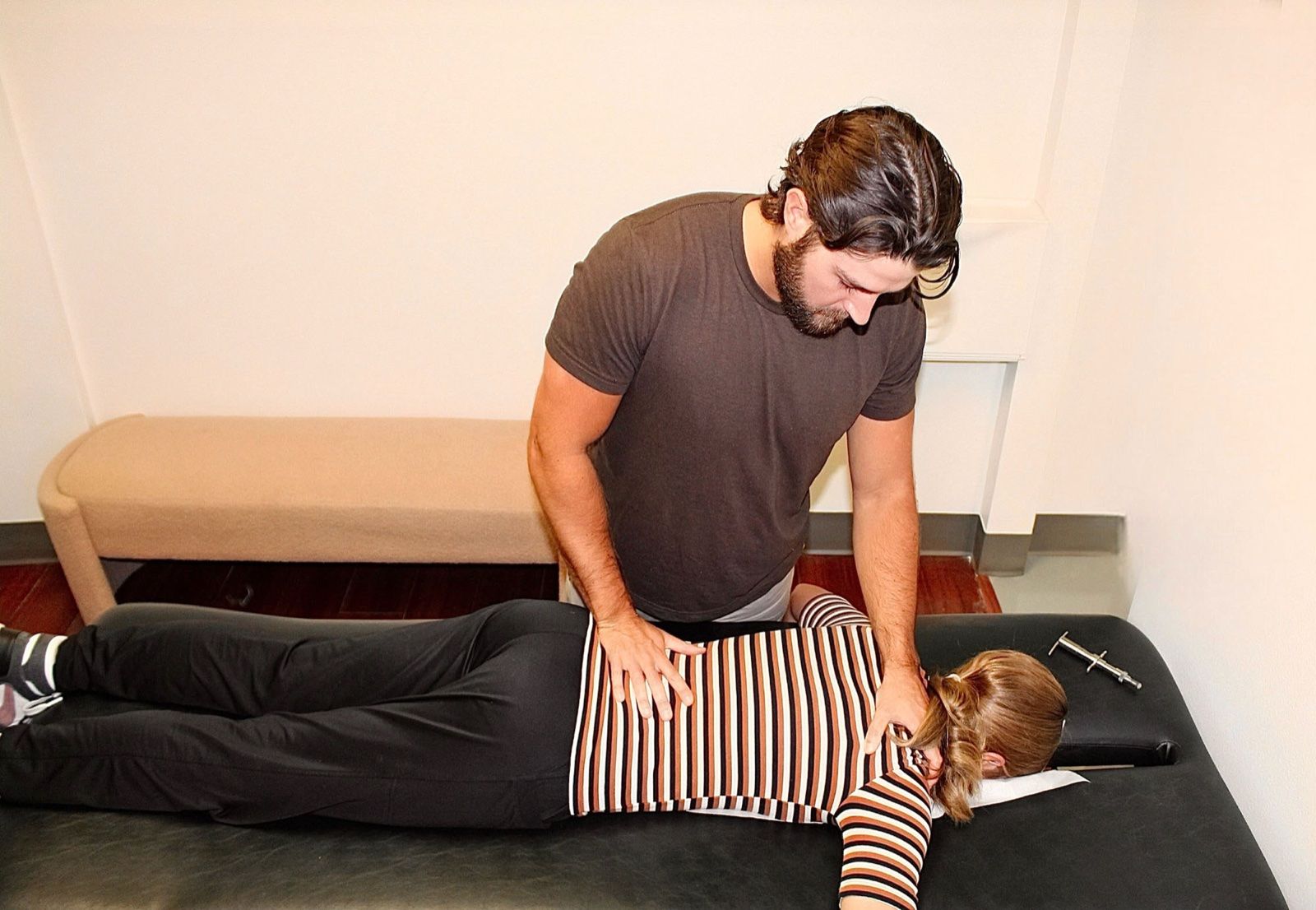
Dr. Fox at work.
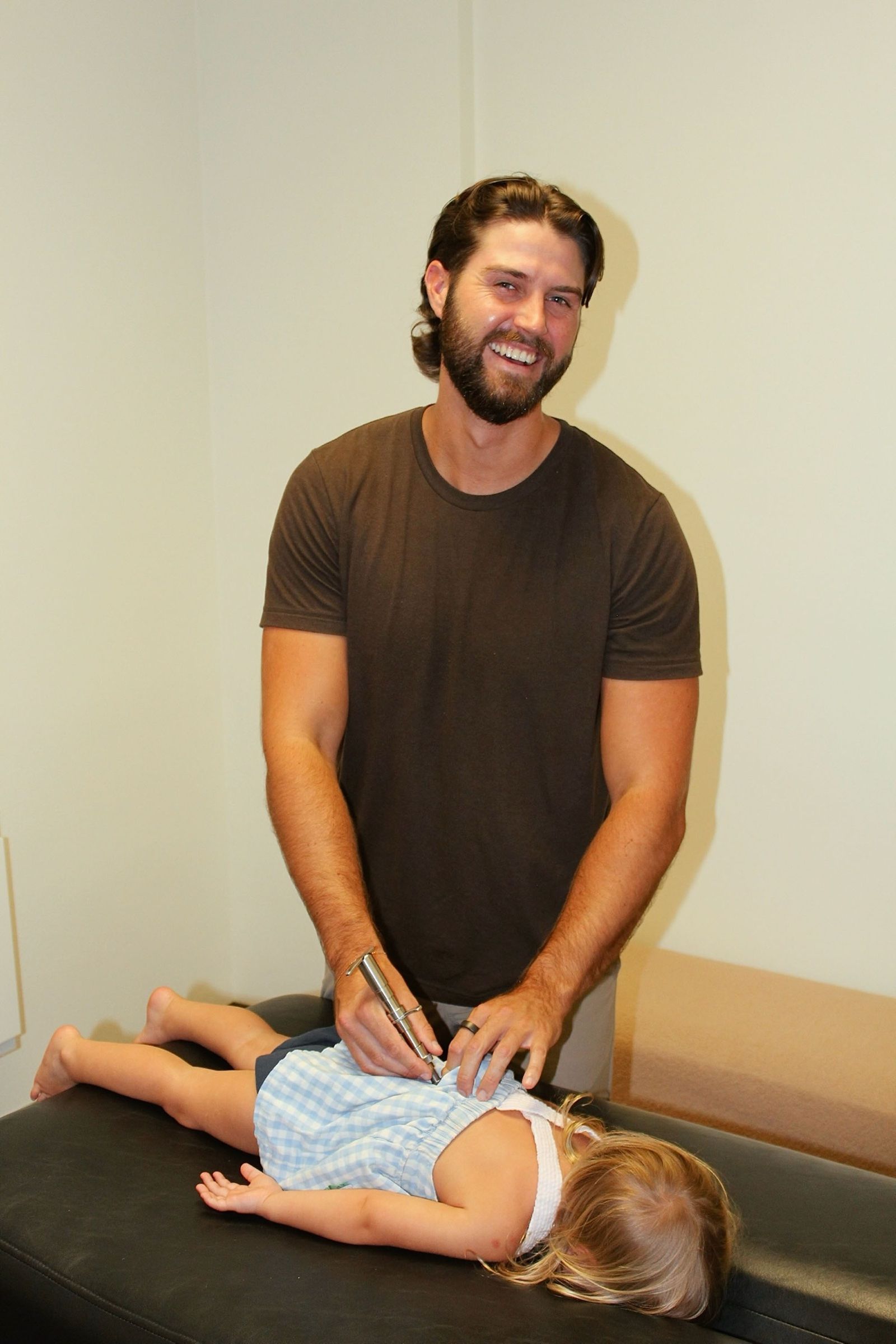
Precision over pressure — care that addresses the cause.

Dr. Laura in the office.
Keep Exploring
See patient case studies
Real Patient Stories
Real patients.
Documented, start to finish.
Ready to Address
the Root Cause?
Schedule a comprehensive exam and let's build a plan that actually works.
*Includes consultation, neurological exam, scans & x-rays (if needed)