

How to Lift Without Hurting Your Back: Safer Habits at Home and Work
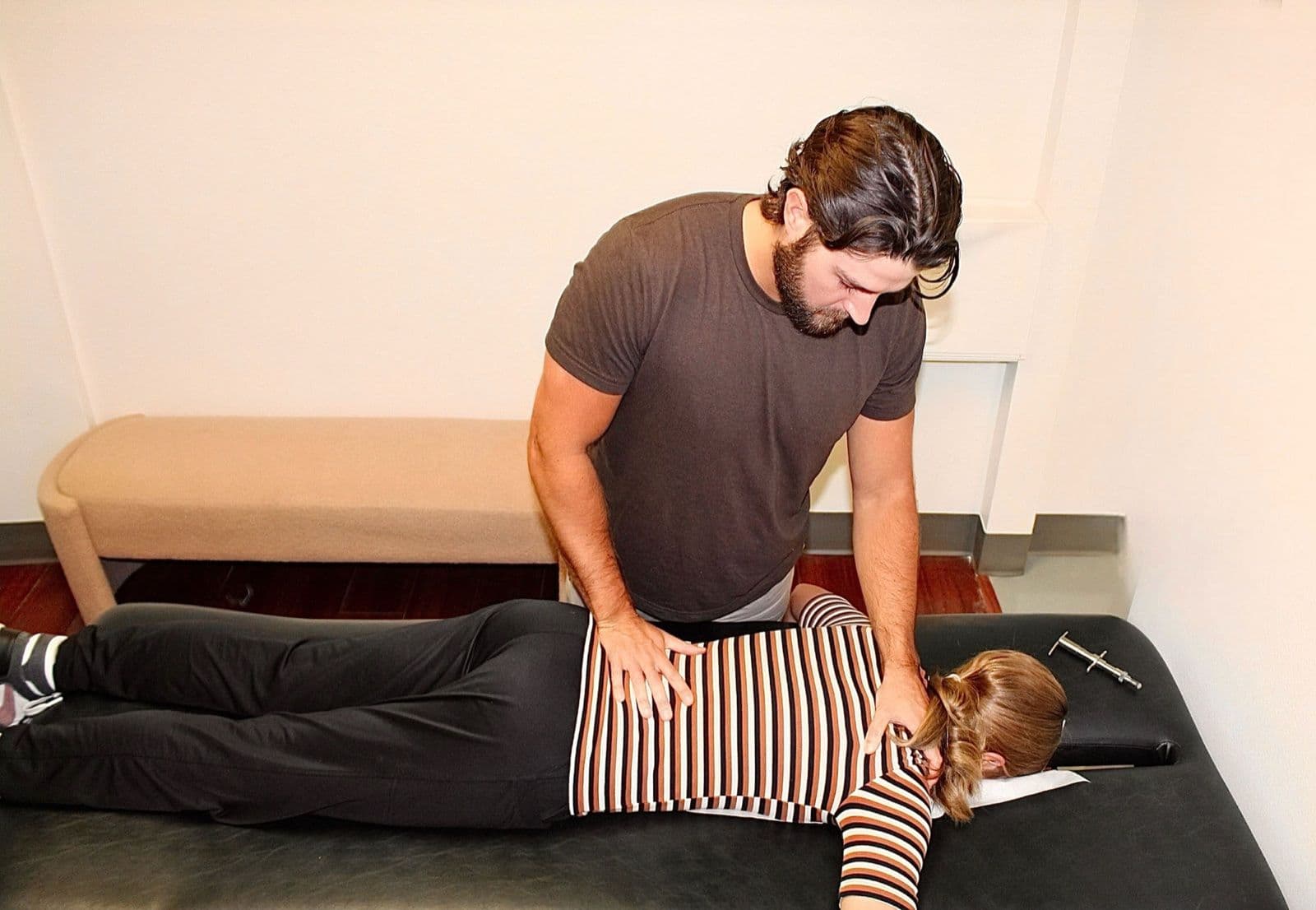
If you've ever bent over to pick up something light, like a laundry basket or a bag of mulch, and felt your low back grab, you already know that knowing how to lift without hurting your back matters. The short answer: the safest lift is one where you keep the load close, let your hips and legs do the work, and avoid twisting while you hold weight. There's no single perfect form, though. Most back strains come from small repeated habits rather than one dramatic moment, and your body gives you hints along the way. Below, we'll cover simple lifting habits for home and work, why "lift with your legs" is only part of the story, and when a nagging back deserves a closer look. This is educational, not a replacement for care from your own provider.
Why Lifting Strains the Back
Your spine is built to carry load, but it prefers to do it in a stable, supported position. When you lift, the muscles around your trunk, hips, and pelvis brace to hold the spine steady while your arms and legs move the object. Trouble tends to show up when:
- The load is held far from your body, which multiplies the strain on your low back
- You twist while carrying weight instead of turning your feet
- You're tired, rushed, or lifting from an awkward position, such as the back seat of a car
- Your hips are stiff or your glutes aren't contributing, so the low back takes over
It's also common for the back to feel fine during the lift and complain later that evening or the next morning. That delay can make it hard to connect the dots.
Seven Habits for Lifting Without Hurting Your Back
1. Pause and size up the load
Before you grab anything, give it a quick test. Is it heavier or more awkward than it looks? If so, get help, use a cart, or break it into smaller loads. Asking for a hand is a good strategy, not a weakness.
2. Get close and set your feet
Stand with your feet about shoulder-width apart and as near the object as you can. Distance from your body is one of the biggest factors in how much your back works.
3. Hinge at the hips
Instead of rounding your back like a hoop, send your hips back as you bend, almost as if you were closing a car door with your backside. This is the "hip hinge," and it lets the large muscles of the hips and legs share the load. Some people do better with a deeper squat, others with a hinge, depending on the object and their hips and knees. Use whichever lets you stay steady.
4. Brace gently, then lift smoothly
Tighten your midsection lightly, as if someone were about to tap your stomach, and breathe out as you rise. Avoid jerking the load off the ground. Smooth beats fast.
5. Turn with your feet, not your spine
If you need to change direction, pivot your feet and move your whole body together. Twisting at the waist while holding weight is a classic setup for a back strain.
6. Keep the load close on the way down too
Setting something down is lifting in reverse, and it's where many people get sloppy. Hinge back down with control rather than dropping it from the waist.
7. Mind the "small stuff"
A surprising number of back flare-ups come from light, repetitive tasks: unloading the dishwasher, bending to a low drawer, lifting a toddler out of a car seat, or reaching into the trunk. Bring the same habits to these everyday moves.
Lifting at Home vs. Lifting at Work
Around the house
In Lakewood Ranch and the surrounding Manatee and Sarasota communities, plenty of lifting is yardwork and household chores: bags of potting soil, pool supplies, grocery hauls, and grandkids. A few small changes help, such as using a wheelbarrow or dolly, carrying two lighter bags instead of one heavy one, and kneeling to garden rather than bending over from the waist for long stretches.
On the job
If your work involves repeated lifting, such as stocking, hauling, patient handling, or construction, the same principles apply, and your workplace may offer equipment or training that makes a real difference. Taking short breaks, varying tasks when possible, and avoiding long stretches in one bent posture can all take pressure off the spine. Our post on how sitting affects your back is a good companion if your day alternates between lifting and long periods in a chair.
"Lift With Your Legs" Isn't the Whole Story
You've probably heard the rule, and it's a decent starting point. But it leaves out something important: your back, hips, and legs work as a team. If your hips are stiff or your glutes aren't firing well, your low back often ends up covering for them. We explain that connection in our post on weak glutes and low back pain.
That's also why some people do everything "right" and still feel their back tighten up. Technique matters, but so do mobility, strength, and how well your nervous system coordinates all of those muscles. Dr. Logan Swaim often reminds patients that pain is a signal worth listening to, not something to push through.
When a Lifting Strain Deserves a Closer Look
Most minor strains settle down with gentle movement and a bit of patience. Our guide on ice or heat for back pain covers simple first steps. But it's worth getting evaluated if you notice:
- Back pain that keeps returning every time you lift
- Pain that travels into the buttock or leg, which can be a sign of a pinched nerve or sciatica
- Numbness, tingling, or weakness in a leg or foot
- Stiffness that lingers or gets worse instead of better
These patterns can point to joint, disc, or nerve involvement, so it helps to know what's behind them rather than guess. See our overview of low back pain and our lower back pain symptoms page for more on what to watch for.
Seek urgent medical care right away if back pain comes with loss of bladder or bowel control, numbness in the groin or inner thighs, fever, or sudden severe weakness in a leg.
How a Chiropractor Looks at Lifting-Related Back Pain
At The Roots, we start by listening: what you were doing, what it felt like, and what's been happening since. Then we do a neurological evaluation and look at how your spine, hips, and nervous system are working together, taking X-rays only when they're necessary. The goal is to understand the pattern behind your back pain, which may include joint motion, muscle coordination, and posture, and to explain your options in plain English. Our chiropractic care is built around that kind of whole-picture look, and we'll tell you honestly if something needs to be handled by another provider.
Frequently Asked Questions
What is the proper way to lift something heavy?
Stand close to the object with your feet about shoulder-width apart, hinge at the hips, keep your back in a steady position, brace your midsection gently, and stand up smoothly using your hips and legs. Avoid twisting while you hold the load.
Is it bad to lift with a rounded back?
A slightly rounded spine isn't automatically dangerous, but a heavy load held far from your body with a fully rounded, unbraced back puts more strain on your low back. Keeping the load close and moving smoothly matters more than a rigid "perfect" posture.
Why does my back hurt after lifting something light?
Light, repetitive, or awkward lifts can still irritate the back, especially if you're tired, twisting, or reaching. Stiff hips, weak glutes, and long periods of sitting beforehand can all play a role.
When should I see a chiropractor for lifting-related back pain?
It's worth a visit if pain keeps coming back, travels into your leg, or comes with numbness or tingling, or if it isn't easing with gentle movement and rest. For anything sudden and severe, seek urgent medical care first.
Ready to Find Out What's Behind Your Back Pain?
If lifting keeps leaving your back sore, you don't have to guess at the cause or just work around it. Our team in Lakewood Ranch can walk you through what's happening and what your options are. Book a complimentary consultation and we'll start with a conversation about what you're feeling.
Conditions We Treat
Back Pain
Corrective chiropractic care that addresses the structural root cause of back pain — not just masking symptoms with medication.
Herniated Disc
Non-surgical care for herniated and bulging discs using FDA-cleared spinal decompression, corrective chiropractic, and integrated soft-tissue therapies.
Services Related to This Post
Keep Reading
Related articles
Desk Stretches for Back and Neck Pain: A 10-Minute Routine
Feeling it in your neck and lower back by 3pm? Here's a simple 10-minute desk stretch routine, plus why the ache keeps coming back no matter how many stretches you do.
Read articleHerniated Disc vs. Bulging Disc: What's the Difference?
Both show up on MRIs, both can cause pain — but they're not the same thing. Here's how to tell the difference and what your options are.
Read article