
Dizziness and Vertigo: Why It Happens and How Chiropractic Care May Help
Few things rattle your sense of normal like the room suddenly spinning. Vertigo is the feeling that you or your surroundings are moving when they aren't, while dizziness is the broader sense of being lightheaded, unsteady, or off-balance. Both can turn simple things, rolling over in bed, standing up, walking through the UTC parking lot, into something you brace for. There are many possible causes, and an often-overlooked one involves the neck and the nervous system. At The Roots Health Centers in Lakewood Ranch, FL, we look at how your body keeps you balanced and, where the neck is involved, how chiropractic care may help support steadier footing.
How your body keeps you balanced
Staying upright is a team effort between three systems your brain constantly blends together:
- Your inner ear, which senses head position and motion
- Your eyes, which tell your brain where you are in space
- Your joints and muscles, especially in the neck and feet, which send constant position signals upward
When those signals agree, you feel steady. When they disagree, even slightly, your brain gets mixed messages and the result can be dizziness or a spinning sensation. That's why a problem in any one of these systems, including the neck, can throw off your balance.
Common causes of vertigo and dizziness
Vertigo and dizziness are symptoms, not a single diagnosis, so pinpointing the cause matters. Some of the most common include:
- BPPV (benign positional vertigo), where tiny crystals in the inner ear shift and trigger brief, intense spinning with head movement
- Inner-ear inflammation following a virus, which can cause days of imbalance
- Vestibular issues affecting the inner ear's balance organs
- Cervicogenic dizziness, where dysfunction in the neck feeds faulty position signals to the brain
- Blood-pressure dips when standing up quickly
- Dehydration, medication side effects, or migraines
Because the list is broad, the first step is always understanding which system is driving your symptoms.
The neck connection most people miss
Here's the part that surprises people: your upper neck is packed with position sensors that constantly tell your brain where your head is. When the joints of the upper neck aren't moving well, often after whiplash, an old injury, or years of forward-head posture, those sensors can send confusing signals.
Your brain then has to reconcile a neck that says one thing with eyes and inner ears that say another. That mismatch can show up as dizziness, unsteadiness, or a foggy, off-balance feeling, frequently alongside neck stiffness, headaches, or brain fog. This pattern is called cervicogenic dizziness, and it's one where addressing the neck can make a real difference.
How chiropractic care may help
When the neck is contributing to your dizziness, the goal of care is straightforward: restore healthy motion to the joints that feed your brain position information, so the signals it receives line up again.
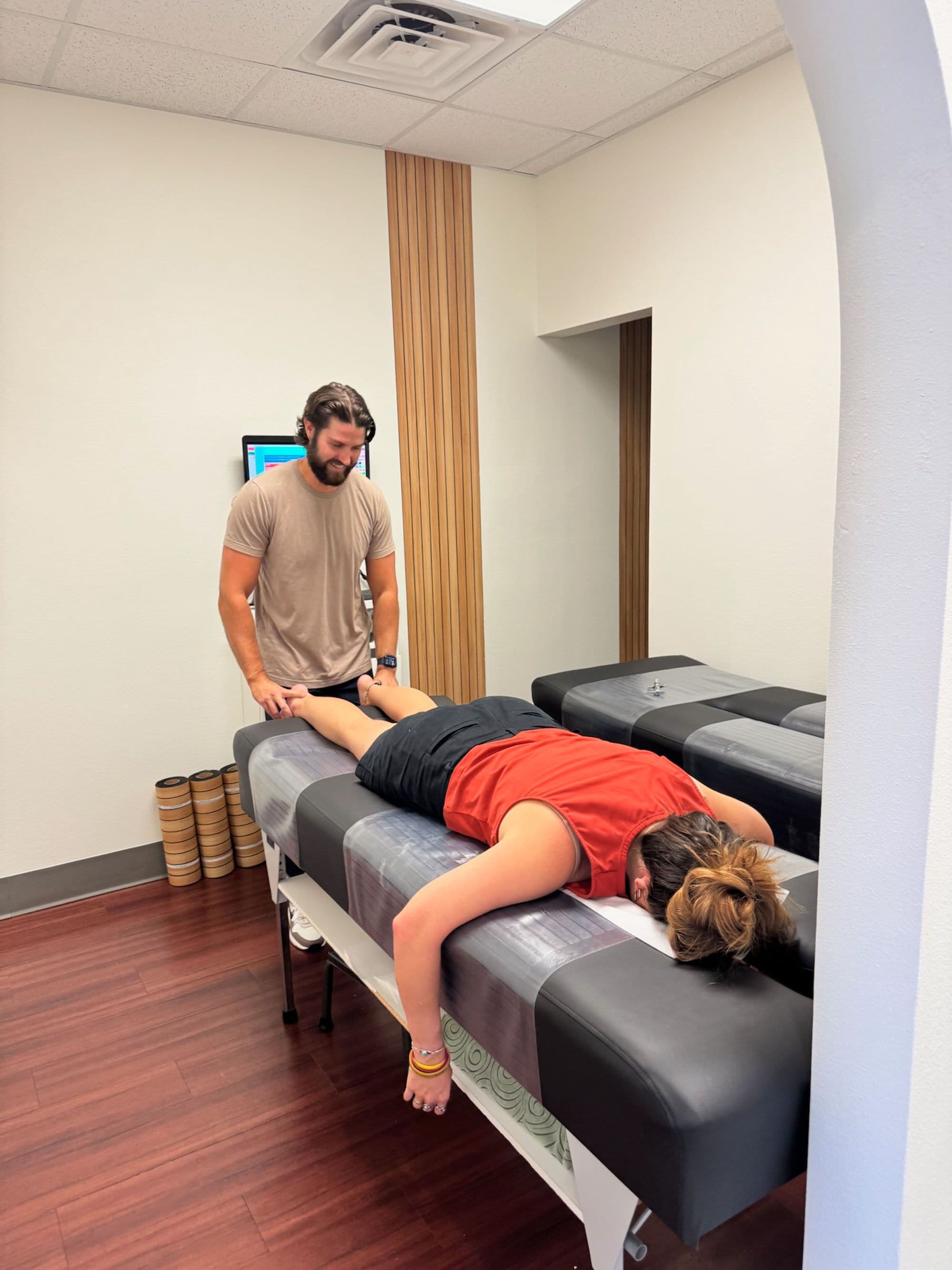
Using the gentle, precise Torque Release Technique, our chiropractic care focuses on how the upper neck moves and sits. By improving that motion, we aim to quiet the faulty input from an irritated neck and support your body's own balance system. Many people with a neck-related component notice their head feels clearer and their footing steadier as the neck settles.
We're careful to be honest about scope here. Chiropractic care isn't a fix for every cause of vertigo, and it doesn't claim to be. Where the neck is involved, it can help. Where it isn't, the most important thing we do is help point you toward the right kind of care.
When to seek prompt medical care
Most dizziness is not dangerous, but certain signs call for immediate medical attention because they can point to something serious:
- Sudden, severe vertigo with a severe headache unlike any you've had
- Dizziness with slurred speech, double vision, or weakness or numbness on one side
- Fainting, chest pain, or an irregular heartbeat
- Dizziness after a significant head injury
- A high fever with a stiff neck
If you experience any of these, seek emergency care right away. Chiropractic care complements medical evaluation, it does not replace it, and these warning signs always come first.
A whole-system look at your balance
Because balance draws on the neck, the eyes, the inner ear, and even the feet, we don't approach dizziness as a single switch to flip. We start by understanding your specific pattern: when it happens, what sets it off, and which system seems to be driving it.
That evaluation guides everything. If your neck is a major player, that's where care focuses. If your symptoms point clearly to the inner ear or something outside our scope, we'll tell you and help you find the right provider. The point is to get you steady, not to force every case into one explanation.
Where to start in Lakewood Ranch
If dizziness or vertigo is making you brace for everyday movements, you don't have to simply wait it out and hope. Understanding which system is behind your symptoms is the first step toward steadier ground.
You can explore the conditions we care for and our full range of services, or meet the team who would be working with you.
Ready for answers? Book a complimentary consultation at The Roots Health Centers in Lakewood Ranch, FL, or call us at (941) 877-1507. We'll talk through what you're experiencing and whether a neck-related component may be part of the picture. No commitment to start care.
Frequently Asked Questions
Can a chiropractor help with vertigo?
When dizziness has a neck-related component, often called cervicogenic dizziness, chiropractic care may help by restoring healthy motion to the upper neck joints that send balance information to your brain. It isn't a solution for every cause of vertigo, so an evaluation comes first to understand what's driving your symptoms.
What's the difference between vertigo and dizziness?
Vertigo is a specific spinning sensation, the feeling that you or the room is moving when it isn't. Dizziness is a broader term that also includes lightheadedness, unsteadiness, and feeling off-balance. Vertigo is one type of dizziness.
Can neck problems really cause dizziness?
They can. The upper neck is rich with sensors that tell your brain where your head is. When those joints don't move well, the signals can conflict with what your eyes and inner ears report, and that mismatch can produce dizziness, a pattern known as cervicogenic dizziness.
Is my dizziness something serious?
Most dizziness is not dangerous, but some warning signs need immediate care, such as sudden severe vertigo with slurred speech, weakness on one side, fainting, or dizziness after a head injury. If any of those occur, seek emergency care. Otherwise, persistent dizziness is worth a professional evaluation.
What can I do at home when vertigo hits?
During an episode, sit or lie down so you don't fall, fix your eyes on a stationary point, and move slowly when you change positions. Staying hydrated and rising gradually from bed or a chair can help. If episodes keep returning, have the cause evaluated rather than only managing the moments.
Conditions We Treat

Neck Pain
Precise cervical adjustments and decompression that restore alignment, reduce nerve pressure, and eliminate chronic neck pain at its source.

Tech Neck
Forward head posture from daily screen use shifts the mechanical load on your cervical spine, compresses nerves, and drives chronic neck pain, headaches, and upper back tension. Corrective care addresses the structural change — not just the symptoms.
Whiplash
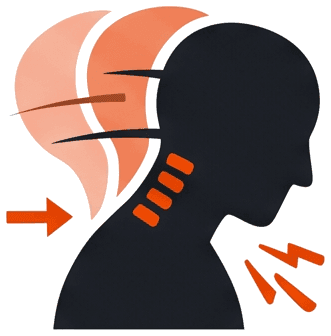
Comprehensive whiplash care for car accident victims — corrective chiropractic, decompression, and full PIP documentation within Florida's 14-day window.