
Facet Joint Syndrome: Symptoms, Causes, and How to Find Relief

If a stiff, aching back or neck seems to flare every time you twist, arch backward, or stand up after sitting too long, facet joint syndrome may be the piece your last MRI report didn't fully explain. Facet joint syndrome is one of the most common — and most overlooked — sources of localized spine pain, because it doesn't always show up as clearly on imaging as a herniated disc does. It develops in the small stabilizing joints that run down the back of your spine, and for most people it responds well to the right kind of conservative care once it's correctly identified. Here's what facet joint syndrome actually is, what causes it, and the non-surgical options worth knowing about.
What Are Facet Joints, and What Do They Do?
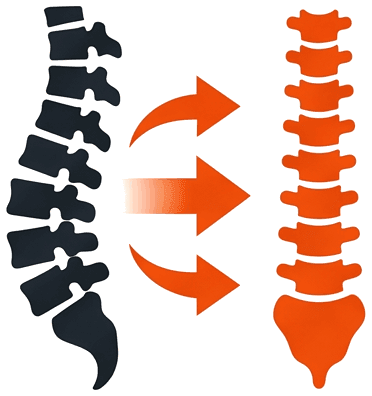
Every vertebra in your spine connects to the one above and below it through two sets of joints: the disc in front, and a pair of facet joints in back. Facet joints are small, paired joints — one on each side — that let your spine bend, extend, and rotate while keeping each segment stable. They're lined with cartilage and surrounded by a joint capsule, much like the joints in your knee or shoulder, which means they can experience many of the same wear-and-tear changes those larger joints do.
What Causes Facet Joint Syndrome?
Facet joint syndrome develops when these joints become irritated, inflamed, or arthritic. Common contributors include:
- Osteoarthritis. Like any joint, facet joints can develop cartilage wear over the years, especially in the neck and lower back.
- Repetitive extension or twisting. Activities that involve a lot of backward bending or rotation — golf, gymnastics, certain manual labor — place extra load on facet joints over time.
- Prior injury. Whiplash or a fall can leave a facet joint irritated long after the initial injury heals.
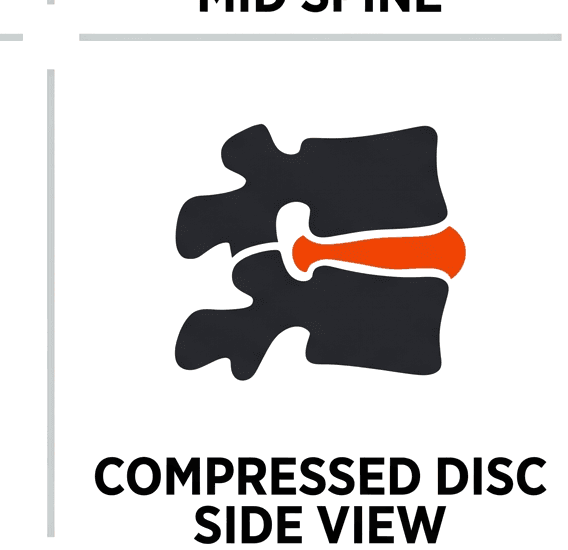
- Degenerative disc changes. When a disc loses height, more of the day-to-day load shifts onto the facet joints behind it, which can accelerate wear. Degenerative disc disease and facet joint syndrome often show up together for exactly this reason.
- Posture and prolonged positions. Sitting with an arched lower back or a forward head position changes how load moves through the spine, including through the facet joints.
What Does Facet Joint Syndrome Feel Like?
Facet joint pain tends to follow a fairly specific pattern: a localized ache or stiffness — often on one side — that worsens with backward bending, twisting, or standing for long periods, and that eases somewhat when you bend forward. Morning stiffness that loosens up after moving around is common. In the neck, facet joint irritation can also refer pain toward the base of the skull or between the shoulder blades; in the low back, it can refer into the hip or buttock, which is one reason it's sometimes mistaken for sciatica or piriformis syndrome. Unlike true nerve-root pain, facet pain usually doesn't come with numbness, tingling, or weakness running down an arm or leg — though every presentation is a little different, which is exactly why a hands-on evaluation matters more than guessing from symptoms alone.
How Is Facet Joint Syndrome Diagnosed?
There's no single imaging test that definitively confirms facet joint syndrome — X-rays and MRIs can show arthritic changes in the joints, but plenty of people have those changes without any pain, and some people with real facet-driven pain have relatively unremarkable imaging. Diagnosis relies heavily on a clinical exam: how your pain responds to specific movements (especially backward bending and rotation), where it's located, and whether it reproduces with direct pressure over the joint. Physicians sometimes confirm the diagnosis with a diagnostic medial branch block — an injection that temporarily numbs the small nerves feeding a specific facet joint.
Non-Surgical Options Worth Knowing About
Most facet joint syndrome responds well to conservative, non-surgical care. Options include:
Chiropractic care. Restoring mobility to the segments above and below an irritated facet joint may reduce the compensatory strain that keeps the area flared up. At The Roots Health Centers, we use Torque Release Technique — a low-force, precise approach — rather than aggressive manipulation directly at an inflamed joint.
Spinal decompression. Non-surgical spinal decompression gently creates space within the spine, which may reduce the load carried by an overworked facet joint, particularly when disc changes are contributing to the picture.
Activity and movement modification. Because facet pain worsens with extension and twisting, temporarily adjusting how you move — rather than resting completely — tends to support recovery better than staying still.
Addressing the whole picture. When degenerative disc changes are shifting extra load onto the facets, a plan that considers the full spine tends to hold up better over time than addressing the joint in isolation.
When It Needs More Than Conservative Care
Most facet joint syndrome improves with conservative care, but certain signs warrant more urgent medical evaluation: progressive weakness in an arm or leg, numbness that's spreading, loss of bladder or bowel control, or pain that's rapidly worsening despite rest. These are uncommon with facet joint syndrome specifically, but they're the reason a thorough evaluation matters before starting any care plan.
What a Visit at The Roots Health Centers Looks Like
Every new patient begins with a consultation, a full neurological evaluation, and any necessary X-rays — so recommendations are based on how your spine is actually functioning, not a generic assumption about where your pain is coming from. Each person's presentation is different, so we take a personalized approach based on what your evaluation shows.
Frequently Asked Questions
What is facet joint syndrome?
Facet joint syndrome is pain and stiffness coming from the small paired joints that connect each vertebra to the one above and below it. It's often related to arthritic changes, past injury, or extra load from disc changes nearby.
What causes facet joint syndrome?
Common contributors include osteoarthritis in the joint, repetitive extension or twisting movements, past injury like whiplash, degenerative disc changes that shift load onto the facets, and prolonged poor posture.
What does facet joint syndrome feel like?
A localized, often one-sided ache or stiffness that worsens with backward bending, twisting, or prolonged standing, and eases with forward bending. It can sometimes refer toward the hip, shoulder blade, or base of the skull.
Can facet joint syndrome feel like sciatica?
It can refer pain into the hip or buttock area, which sometimes gets mistaken for sciatica. True nerve-root pain usually comes with numbness, tingling, or weakness running down the limb, which facet pain typically doesn't produce — though a hands-on evaluation is the most reliable way to tell the two apart.
Does facet joint syndrome go away with non-surgical care?
Many people see meaningful improvement in pain and stiffness with conservative approaches like chiropractic care, non-surgical decompression, and activity modification, though outcomes vary by individual and by what's driving the joint irritation in the first place.
If back or neck pain keeps flaring with certain movements and you're not sure why, the best next step is a real evaluation — not another guess based on a single imaging report. Schedule a complimentary consultation at The Roots Health Centers in Lakewood Ranch. We'll assess your full spine and nervous system and walk you through what we find in plain language.
The Roots Health Centers, 8209 Natures Way, Unit 115, Lakewood Ranch, FL 34202. (941) 877-1507.