

Back Pain When Coughing or Sneezing: What It Can Mean
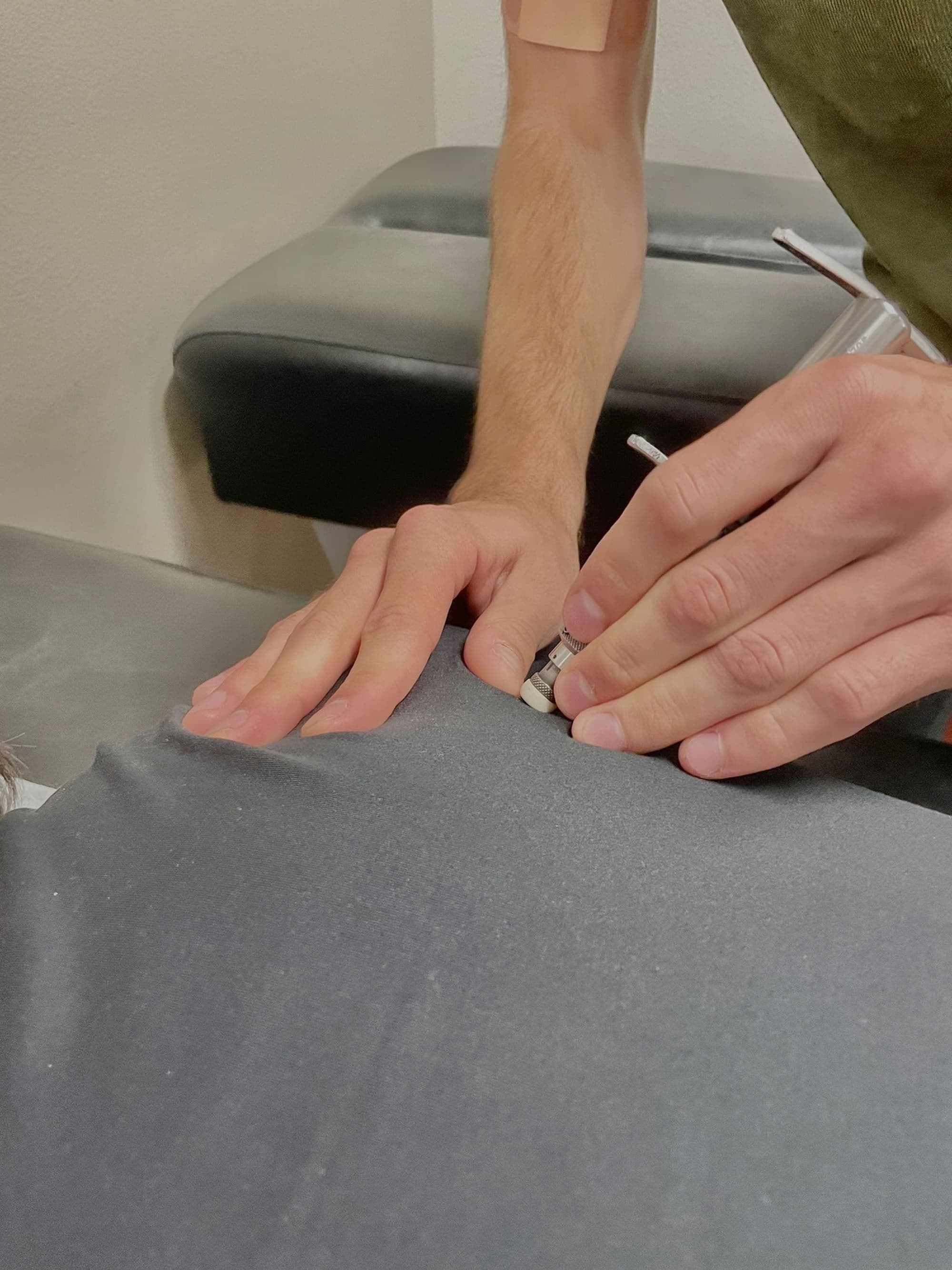
You cough or sneeze, and a sharp jolt shoots through your back. Maybe it catches you low in the spine, maybe between the shoulder blades, and maybe it travels into a buttock or leg. If you've been bracing yourself before every sneeze, you're not alone. The short answer: back pain when coughing or sneezing happens because those reflexes suddenly raise pressure inside your trunk and tug on the discs, joints, muscles, and nerves of your spine. If one of those structures is already irritated, the extra pressure can make it flare. Below, we'll explain what's going on, the most common reasons, which warning signs need urgent care, what you can do in the meantime, and how we look at it here in Lakewood Ranch.
Why Coughing and Sneezing Can Make Your Back Hurt
A cough or sneeze is a forceful, split-second event. Your diaphragm and abdominal muscles squeeze hard, and the pressure inside your belly and chest spikes. That pressure is transmitted to the spine, and the spinal canal, which holds the nerves, can feel it too.
A healthy back absorbs this without you noticing. But if a disc is bulging, a joint is irritated, or a nerve is already sensitive, the sudden pressure and the quick, jarring muscle contraction can set off a sharp, stabbing pain. Many people also twist or lurch forward without meaning to when they sneeze, which adds a loading force to a spine that may already be sore.
So the cough itself usually isn't the cause. It's more like a stress test that reveals something that was already irritable.
Common Reasons Your Back Reacts
A bulging or herniated disc
Discs are the cushions between your vertebrae. When the soft center pushes against the outer wall or presses toward a nerve, coughing and sneezing are classic triggers because of the pressure spike. The pain is often sharp and may travel down a leg. We compare the two terms in our guide to herniated versus bulging discs, and you can read more on our herniated disc page.
An irritated or pinched nerve
When a nerve root is squeezed where it leaves the spine, a cough can send a zing along its path. If the pain reaches below the knee or comes with tingling, our sciatica page explains the pattern.
Muscle strain or spasm
A strained muscle can seize up with the sudden contraction of a cough. This kind of pain is often more local, achy, and tender to the touch.
Irritated facet joints
The small joints at the back of the spine can become stiff and sensitive. A sneeze can jar them, producing a sharp, localized catch, sometimes on one side.
Rib and mid-back irritation
If the pain sits higher up, around the ribs or between the shoulder blades, the joints where your ribs meet the spine may be involved. A long bout of coughing from a cold can also strain these small muscles and joints. Our post on rib pain when breathing goes deeper on that pattern.
Spinal narrowing or degeneration
As discs wear and joints change over time, there may be less room for nerves, which can make pressure changes more noticeable. Adults over 50 sometimes notice this first when coughing.
Warning Signs: Don't Wait on These
Most cases of back pain with coughing or sneezing aren't emergencies, but a few signs call for immediate medical care. Go to the emergency room or call 911 if your back pain comes with:
- New loss of bladder or bowel control
- Numbness in the groin, inner thighs, or saddle area
- Rapidly worsening weakness in a leg or foot
- Fever, unexplained weight loss, or a history of cancer along with new back pain
- Pain that follows a significant fall or accident
- Chest pain, shortness of breath, or pain that spreads to your jaw or arm
Also, if the cough itself is persistent, produces blood, or comes with fever or breathing trouble, see your medical doctor. A lingering cough is its own issue, and it deserves its own answer. Our post on five signs your back pain isn't just muscular covers other patterns that are worth taking seriously.
What You Can Do in the Meantime
While you're getting answers, a few practical habits may take some strain off your spine:
- Brace gently. When you feel a sneeze coming, stand or sit tall and support your lower back with one hand on a table or the arm of a chair, rather than folding forward.
- Avoid twisting. Try to keep your head, ribs, and hips facing the same direction when you cough or sneeze.
- Change positions often. Long periods of sitting can load the discs. Stand, walk, and shift through the day.
- Keep moving gently. Short walks are usually better than prolonged bed rest. Our guide on whether walking is good for back pain has more detail.
- Use heat or ice comfortably. Either can feel soothing. See ice or heat for back pain for how to choose.
- Be careful with lifting. Bending and lifting while pain is flared can aggravate things. Our post on how to lift without hurting your back walks through safer habits.
These are general comfort ideas, not a substitute for being evaluated. If the pain is severe, spreading, or not settling, get it checked rather than waiting it out.
How We Look at It
At The Roots Health Centers in Lakewood Ranch, our approach starts with listening. Where exactly does it hurt when you cough? Does it travel? What makes it better or worse? Then we perform a full neurological evaluation, check how your spine moves, and take X-rays when they're necessary, so we're working from real findings rather than guesses.
The goal is to work out whether what you're feeling looks like a disc issue, an irritated nerve, a joint or muscle problem, or something outside our scope that another provider should see. If it's the last one, we'll say so and point you in the right direction. If it's a spine and nervous system pattern, the doctors will explain what they found in plain English and what options may fit you. Dr. Logan Swaim and the team approach care as a partnership, with recommendations that make sense for your situation, and we're clear about what's realistic. You can explore our chiropractic care and back pain pages for more about how we think about the spine, or read about lower back pain symptoms.
Frequently Asked Questions
Why does my back hurt when I cough?
Coughing spikes pressure inside your trunk and jolts the spine. If a disc, joint, muscle, or nerve is already irritated, that sudden force can trigger sharp pain.
Can coughing cause a herniated disc?
A single cough rarely causes a disc problem by itself. More often, a disc was already weakened or irritated, and coughing or sneezing is simply when you notice it.
Why does my back hurt when I sneeze?
Sneezing creates a quick pressure surge and often a sudden twist or lurch. That can aggravate sensitive discs, joints, or muscles in the lower back.
How do I relieve back pain from coughing?
Supporting your back with a hand on a stable surface, keeping your torso tall, avoiding twisting, and staying gently active may ease the strain. If it keeps happening, it's worth having the cause evaluated.
When is back pain with coughing an emergency?
New bladder or bowel changes, numbness in the groin area, or quickly worsening leg weakness need emergency care right away.
Get a Clear Answer Instead of Bracing for Every Sneeze
You shouldn't have to dread a cold or hold your breath through every sneeze. If your back keeps flaring when you cough, our team can help you understand what's behind it and what your options are. Book your complimentary consultation and bring your questions.
Conditions We Treat
Back Pain
Corrective chiropractic care that addresses the structural root cause of back pain — not just masking symptoms with medication.
Herniated Disc
Non-surgical care for herniated and bulging discs using FDA-cleared spinal decompression, corrective chiropractic, and integrated soft-tissue therapies.
Sciatica
Non-surgical care for sciatic nerve pain using spinal decompression, corrective chiropractic, and supporting therapies.
Services Related to This Post
Keep Reading
Related articles
Lower Back Pain When Bending Over: Why It Happens and What May Help
That catch or ache in your low back every time you bend to tie a shoe or pick something up has patterns behind it. Here is what is often going on and what may help.
Read articleHerniated Disc vs. Bulging Disc: What's the Difference?
Both show up on MRIs, both can cause pain — but they're not the same thing. Here's how to tell the difference and what your options are.
Read article