

Repetitive Strain Injuries: When Desk Work or Manual Labor Catches Up With You
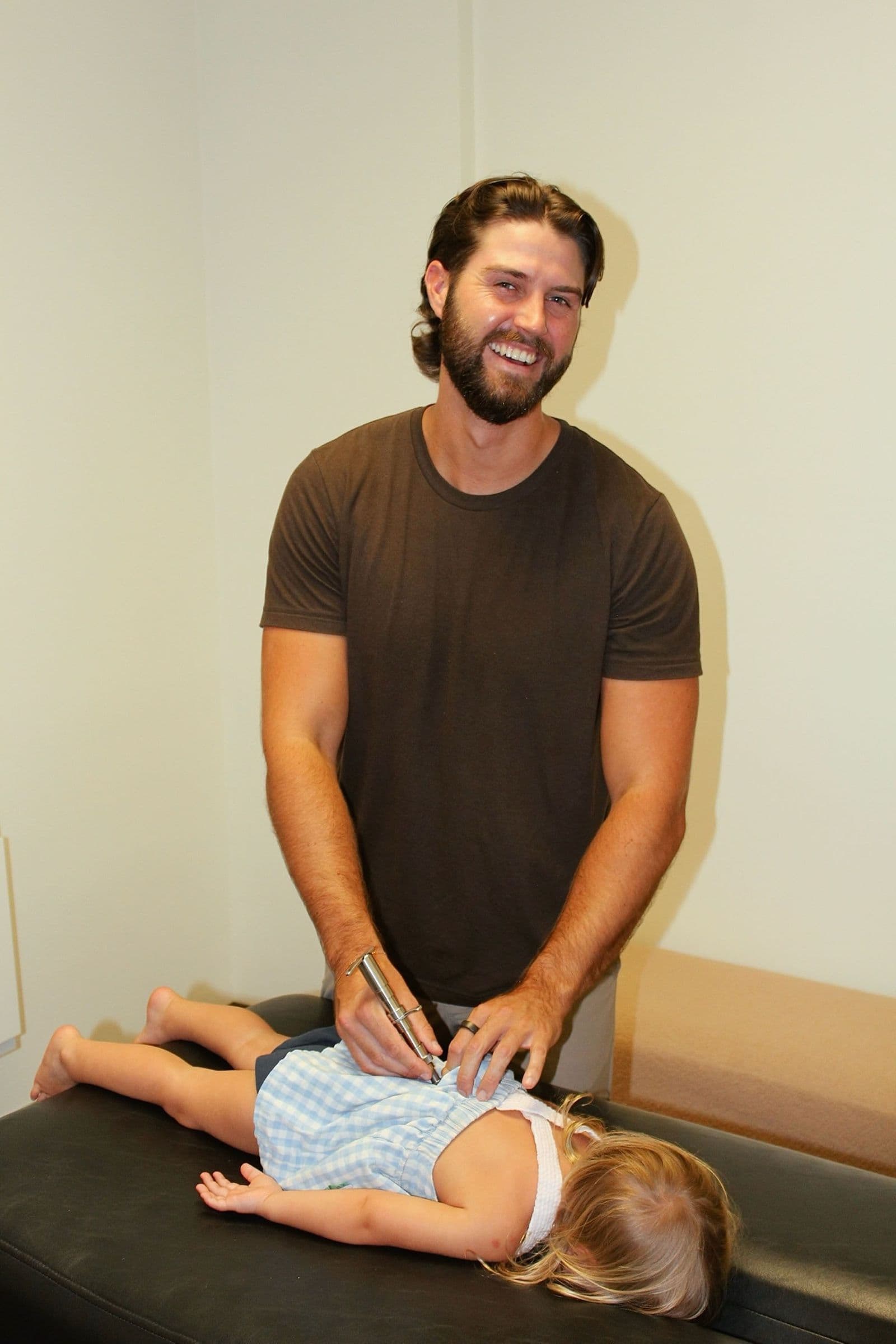
If your hands go numb by the end of the workday, or the same shoulder or forearm aches every single afternoon, you may be dealing with a repetitive strain injury — sometimes shortened to RSI. It doesn't usually start with one bad moment. It builds slowly, from the same motion done thousands of times: typing, gripping a steering wheel or tool, scrolling, lifting the same way at the same station. At The Roots Health Centers, we see this in two very different-looking groups of patients who end up with the same underlying problem — people at a keyboard eight hours a day, and people doing physical, hands-on work for a living.
What Counts as a Repetitive Strain Injury
Repetitive strain injury isn't one specific diagnosis — it's a category that includes several related conditions, most often carpal tunnel syndrome, tendinitis, and tenosynovitis (inflammation of the sheath surrounding a tendon). What they share is a mechanism: small amounts of tissue stress that don't fully resolve between uses, so they accumulate over weeks or months instead of healing. A single awkward reach rarely causes lasting damage on its own. It's the same motion, repeated without enough recovery time in between, that tends to build into something that lingers.
Desk Work and Manual Labor — Different Motions, Same Pattern
Desk-based repetitive strain usually shows up in the wrists, forearms, and neck — think of the posture that comes with hours of typing, mousing, and looking down at a phone or laptop screen. Manual and trade work tends to load different tissue: shoulders, elbows, and hands from gripping tools, lifting, or repeating the same swing or motion on a job site. The pattern underneath is the same either way — tissue under repeated load, not enough time to recover, and a nervous system that starts flagging the area as irritated well before most people would call it an injury.
How to Tell If It's Repetitive Strain
A few patterns tend to show up together: a gradual ache that builds over weeks rather than starting with a single event; discomfort that's worse during or right after the triggering activity and eases with rest, at least early on; tingling or numbness, which is common with carpal tunnel specifically when it's the wrist and hand affected; grip weakness that seems to come and go; and symptoms that used to fade completely overnight now lingering into the next morning. That last pattern — symptoms starting to carry over rather than fully resetting — is often what finally gets someone to bring it up at a visit.
Why It Keeps Coming Back Even When You Rest
One of the most frustrating parts of repetitive strain is that a few days off can genuinely help, only for symptoms to return almost as soon as you're back at the same desk or job site. That's because rest addresses the symptom, not necessarily the underlying mechanics — if the posture, joint alignment, or movement pattern that contributed to the strain hasn't changed, the same tissue is likely to end up under the same load again. This is part of why a full neurological evaluation matters: it looks at how your spine and nervous system are functioning, not just where it hurts, to understand what else might be contributing to the pattern.
How We Approach It
At The Roots Health Centers, care for repetitive strain starts the same way any other visit does — a consultation, a full neurological evaluation, and any necessary X-rays when they're clinically indicated. From there, our chiropractic care uses the Torque Release Technique, a gentle, low-force adjustment method, to help address restriction the evaluation identifies — often in the neck, upper back, or shoulder girdle, areas that can quietly affect how a wrist or elbow is loading throughout the day. We won't promise a specific number of visits or an exact week when symptoms resolve — each case is different, and our approach is personalized based on what your own evaluation shows.
What You Can Change Outside the Clinic
A few habits tend to help alongside any care you're receiving: setting up your workstation so your monitor sits at eye level and your wrists stay neutral rather than bent up while typing; taking a short microbreak every 30 to 45 minutes to change position; alternating hands or tools during manual work when the job allows it; and building general grip and forearm mobility rather than only using the affected area. We've written a full desk-setup guide for remote workers if that's part of your situation, and if your repetitive strain comes from a specific sport or swing, our piece on golfer's elbow versus tennis elbow covers a closely related pattern. One more thing worth saying plainly: numbness or tingling isn't a sign you're not trying hard enough — it's a nervous system signal worth listening to, not pushing through.
When to See a Doctor Instead
Not every ache is a chiropractic matter. Sudden, severe weakness in a hand or arm; real loss of function; signs of infection like fever or spreading redness and swelling; or numbness that's become constant rather than intermittent are all reasons to see a physician promptly rather than starting with chiropractic care.
Frequently Asked Questions
What's the difference between a repetitive strain injury and carpal tunnel syndrome? Carpal tunnel is one specific type of repetitive strain injury — compression of the median nerve at the wrist. RSI is the broader category that also includes tendinitis and tenosynovitis in other areas.
Can repetitive strain heal on its own? Mild cases sometimes settle with rest and changed habits. When the underlying cause isn't addressed, the pattern often persists or comes back once the same activity resumes.
Is repetitive strain only something that happens from typing? No. Manual and trade work causes it just as often — it just tends to load different tissue, like the shoulders and elbows instead of the wrists.
How long does it take to feel better? There's no set timeline. Every case is different, and we take a personalized approach based on what your evaluation shows rather than promising a specific number of visits.
Do I need to stop the activity that's causing it? Not always, and it isn't always realistic. Modifying how the activity is done, alongside addressing contributing mechanics in the spine and nervous system, matters more than total avoidance for most people.
If desk work or manual labor has left you dealing with an ache that won't fully go away, it's worth having it actually looked at. Book a complimentary consultation at The Roots Health Centers in Lakewood Ranch — meet the team, tour the clinic, and get honest answers about what's going on. No commitment to start care.
The Roots Health Centers, 8209 Natures Way, Unit 115, Lakewood Ranch, FL 34202. (941) 877-1507.
Conditions We Treat
Repetitive Strain Injuries
Tendinopathy, tennis elbow, golfer's elbow, carpal tunnel, and other repetitive strain injuries share a common problem: the tissue has broken down faster than it can repair. Shockwave therapy and corrective care rebuild capacity at the tissue level.
Carpal Tunnel Syndrome
Drug-free, non-surgical care for carpal tunnel syndrome that addresses nerve compression at the wrist and the cervical spine — most patients avoid the operating room.
Services Related to This Post
Keep Reading
Related articles
Text Neck in Remote Workers: A Desk-Setup Guide
Hours of screen time can quietly reshape your posture. Here's a practical desk-setup guide for text neck in remote workers, and when it's time for a real evaluation.
Read articleGolfer's Elbow vs. Tennis Elbow: How to Tell the Difference
Elbow pain doesn't always come from sports. Here's how to tell golfer's elbow and tennis elbow apart — and the non-surgical options that may help you recover.
Read article