
Sleeping With Sciatica: Positions That May Help and Mistakes to Avoid
You finally get comfortable, drift off, and then a jolt of pain down your leg wakes you at 2 a.m. Sleeping with sciatica is one of the most frustrating parts of the condition, and it is also one of the most common complaints we hear from people in Lakewood Ranch, Bradenton, and Sarasota. The short answer: the best position is usually the one that takes pressure off the irritated nerve root in your low back, and for most people that means lying on your back with support under the knees or on your side with a pillow between the legs. Below, we walk through why nights are so hard, the positions that may help, the mistakes that tend to make things worse, and when it is time to get checked. This is educational and not a diagnosis.
Why Sciatica Seems Worse at Night
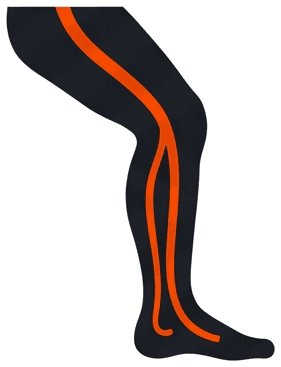
Sciatica is not a diagnosis by itself. It is a pattern of pain, tingling, or weakness that travels along the sciatic nerve, which starts in the low back, runs through the hip and buttock, and continues down the back of the leg. When something irritates or compresses a nerve root where it leaves the spine, such as a bulging disc or a tight joint, you feel it along that path. Our guide to sciatica causes, symptoms, and relief covers the common triggers in more detail.
So why does night feel harder? A few things stack up:
- Fewer distractions. During the day you are busy. At night, there is nothing to pull your attention away from the signal.
- Long stretches in one position. Lying still for hours can stiffen the low back and hips, and the nerve can become more irritable.
- Positions that load the spine. Some postures twist the pelvis or arch the low back, which can narrow the space where the nerve exits.
- A busy nervous system. Pain, poor sleep, and stress feed each other. When you sleep badly, your nervous system tends to be more sensitive the next day.
Understanding this loop matters, because the goal is not just to find a position. It is to calm the irritation so your body can rest.
The Best Sleeping Positions for Sciatica
Each person and case is different, so treat these as options to try rather than rules. Give a position a few nights and notice what your body is telling you.
On your back with support under your knees
This is a good starting point for many people. Place a pillow or rolled towel under your knees so the hips and low back can relax into a more neutral curve. A small, thin pillow under the low back can add support if there is a gap. Lying flat spreads your weight evenly and avoids the twisting that often aggravates the nerve.
On your side with a pillow between your knees
Side sleeping is natural for a lot of people. The trick is to keep the hips stacked. A pillow between the knees stops the top leg from dropping forward and rotating the pelvis, which can tug on the low back. If one side is more painful, many people prefer lying on the pain-free side, but it varies, so try both. Our post on the best sleep position for spine health goes deeper on pillow height and mattress feel.
The fetal position, loosened
Curling up gently can open the space around the nerve roots for some people, especially when a disc is involved. Keep it relaxed rather than tightly tucked, and still use a pillow between the knees.
On your stomach (usually the last choice)
Stomach sleeping tends to arch the low back and twist the neck. If it is the only way you can sleep, a thin pillow under the hips and no pillow under the head can reduce the strain, but most people do better moving toward back or side sleeping over time.
Mistakes That Can Make Nights Worse
Small habits can add up. Watch for these:
- A mattress that sags. If your hips sink below your shoulders, the spine bends in ways that load the nerve. Too firm can also be a problem because it does not let the shoulder and hip settle.
- Pillows that are too high or too flat. Your head and neck should line up with the rest of your spine.
- Sleeping with the top leg dropped forward. This is why the pillow between the knees helps.
- Staying in bed all day. Rest can feel good in the moment, but long stretches without movement tend to stiffen things up. Gentle walking is often more helpful. We cover that in is walking good for back pain.
- Scrolling in bed. Screens delay sleep and keep your nervous system on alert, which can make pain feel louder.
- Pushing through sharp pain to hold a position. If a position hurts, change it. You are not failing at sleeping.
It also helps to know that sciatica is sometimes confused with a tight deep hip muscle pressing on the nerve. If your pain is mostly in the buttock, see piriformis syndrome vs. sciatica for how the two compare.
A Gentle Wind-Down Routine That May Help
A few minutes before bed can make a difference. None of this is a promise of relief, just ideas many people find worth trying:
- Warmth or cold, whichever feels better. Some people like heat on the low back before bed to ease tightness. Others find a cold pack calms a flared-up area. Our post on ice or heat for back pain can help you choose.
- A short, easy walk after dinner. Moving your hips and low back gently can reduce stiffness at night.
- Slow breathing. Several slow breaths with a long exhale tell the nervous system it can settle.
- Easy position changes. If you wake up stiff, roll as one unit, keeping the shoulders and hips together, instead of twisting at the waist.
- Skip aggressive stretching right before bed. Pulling hard on an irritated nerve can backfire. Keep it gentle.
If a certain movement sends pain shooting down the leg, stop and ask for guidance rather than pushing through it.
When Sciatica at Night Needs a Prompt Exam
Most sciatica is mechanical and manageable, but some signs should not wait. Seek urgent medical care right away if you notice:
- Loss of bladder or bowel control, or numbness in the groin or inner thighs.
- Sudden or worsening leg weakness, such as your foot dragging.
- Severe pain after a fall or accident.
- Fever with back pain.
Book an exam soon if the pain keeps waking you most nights, is getting steadily worse, or has lasted more than a few weeks. If the symptoms in both feet are tingling or numbness rather than shooting pain, it is worth knowing that neuropathy and sciatica can look alike but have different causes.
How We Look at Sciatica at The Roots
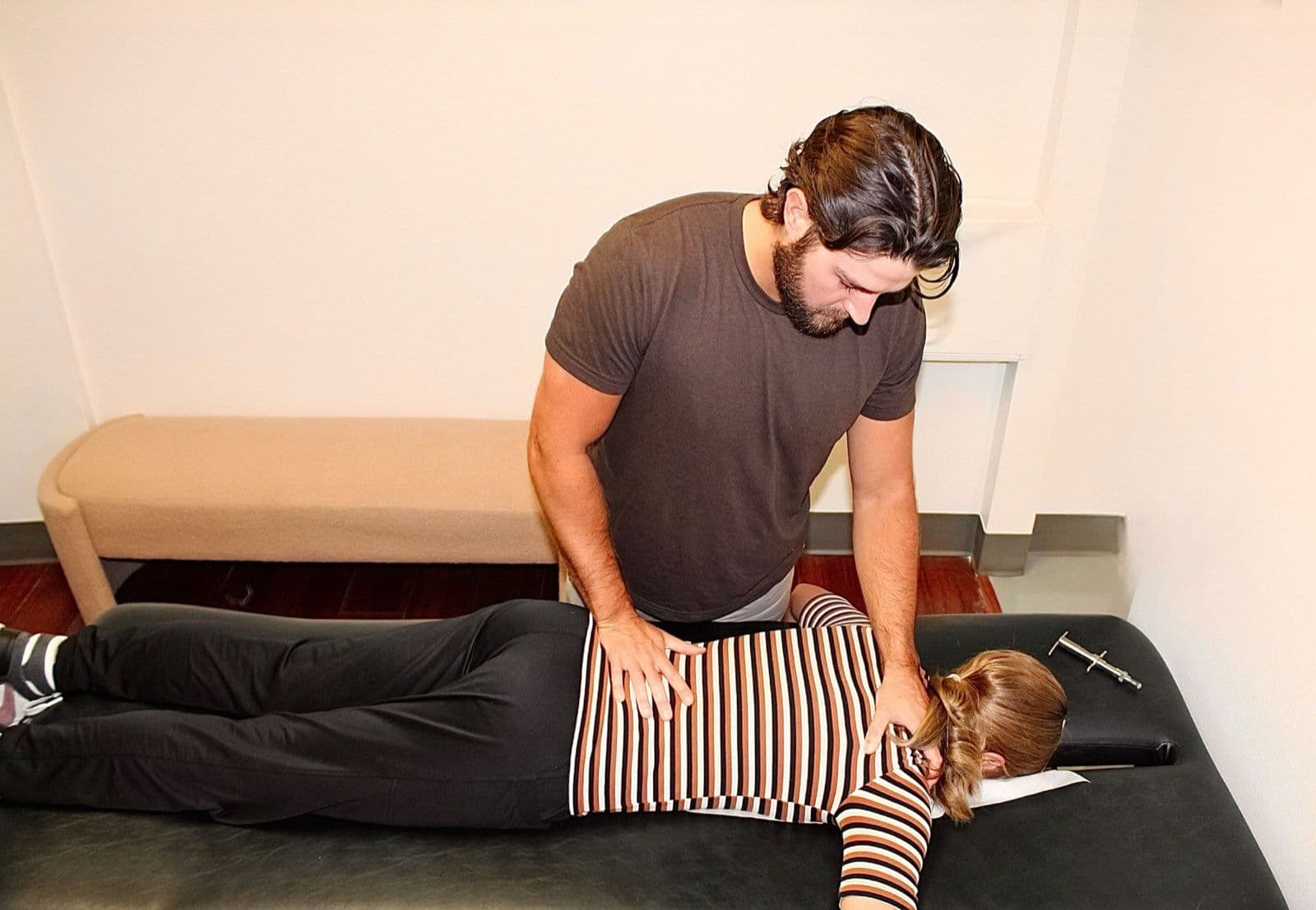
At The Roots Health Centers, we start with your story: where the pain travels, what makes it better or worse, and what your nights look like. Then we examine how your spine, hips, and nerves are moving and responding, including a neurological evaluation, and any necessary X-rays. If something falls outside our scope, we will say so and point you to the right provider.
From there, our team recommends a personalized approach. That may include gentle chiropractic care aimed at the joints and nerve pathways involved, and for some people, spinal decompression is an option our doctors may discuss after an exam. We never promise a specific outcome, because every person and every back is different. You can read more about how we think about this on our sciatica and back pain pages, or see how it fits the broader pattern of lower back pain.
Frequently Asked Questions
What is the best way to sleep with sciatica?
For many people it is lying on the back with a pillow under the knees, or lying on the side with a pillow between the knees. Both keep the hips and low back in a more neutral position. Try each for a few nights and see which feels calmer.
Should I sleep on the painful side or the other side?
There is no single answer. Many people prefer the pain-free side, because lying on the sore side can add pressure to the hip. Others feel better on the painful side with a pillow for support. Go with what lets the leg settle.
Why does sciatica hurt more when I lie down?
Lying still for long periods can stiffen the low back and hips, and some positions twist the pelvis or arch the spine. With fewer daytime distractions, the pain is also easier to notice. Position changes and gentle movement before bed may help.
Is it okay to sleep with a heating pad?
Some people find short sessions of warmth comfortable before bed, but do not fall asleep on a heating pad, and avoid it if you have reduced sensation, since you might not feel if it is too hot.
When should I see a chiropractor for sciatica?
Consider an exam if the pain has lasted more than a few weeks, keeps returning, or is disrupting your sleep. Seek urgent care first for the warning signs listed above.
Ready for Nights That Feel Different?
You should not have to dread bedtime. If sciatica is keeping you up, book a complimentary consultation with our team in Lakewood Ranch to talk through your symptoms and see whether we can help.