

Tight Hamstrings and Low Back Pain: What's the Link?
If your low back aches and the backs of your thighs feel like tight guitar strings, you've probably wondered whether the two are connected. They often are. Tight hamstrings and low back pain tend to travel together, because the hamstrings attach to your pelvis, and the pelvis is the base your low back sits on. The short answer: when the hamstrings pull hard on the pelvis, the low back can end up working harder to compensate. But tightness isn't always the root of the problem. Sometimes it's the body's way of protecting something else. Below, we'll explain how the connection works, what else can be going on, and when it's worth getting your back looked at. This is educational, not a replacement for care from your own provider.
How Tight Hamstrings Can Affect Your Low Back
Your hamstrings are three muscles running from the bottom of the pelvis (the "sit bones") down the back of the thigh to just below the knee. Because they anchor to the pelvis, they influence how it tilts.
When the hamstrings are short or guarded, they can tug the pelvis downward and backward. That flattens the natural curve of the low back, so the spine absorbs forces differently when you bend, sit, or lift. Over time, joints, discs, and muscles in the low back may be asked to do more than they're built for.
It also works in reverse. If the low back is irritated, the body often tightens the muscles around it, including the hamstrings, as a protective reflex. That's why it can feel like a chicken-and-egg problem.
Why Hamstrings Get Tight in the First Place
A few common patterns show up in our office in Lakewood Ranch:
- Long stretches of sitting. Sitting keeps the hamstrings in a shortened position and the hips bent for hours. Our guide on how to set up a desk pairs well with this one.
- Stiff hips or tight hip flexors. When the front of the hips is tight, the pelvis tilts and the hamstrings are often pulled into a constant low-grade stretch. We cover that in tight hip flexors and low back pain.
- Weak glutes. If the glutes aren't doing their share, the hamstrings and low back pick up the slack. See weak glutes and low back pain.
- Activity changes. Golf, running, pickleball, and yardwork are popular around Lakewood Ranch, and sudden increases in any of them can leave the backs of the legs tight and sore.
- Past injuries. An old hamstring strain or a previous back flare-up can leave a lingering pattern of guarding.
Sometimes there is no single cause, and several of these overlap.
When "Tight Hamstrings" Might Be Something Else
Here's the part that surprises many people: not every tight-feeling hamstring is a muscle problem. A sensation of tightness, pulling, or a hard-to-stretch hamstring can also come from irritated nerves.
The sciatic nerve runs right through this area. If a nerve root in the low back is irritated, perhaps by a disc or a narrowed opening where the nerve exits, the body may tighten the hamstring to guard it, and the stretch can feel like it hits a wall. Clues that nerves might be involved include:
- Pain that travels from the buttock down the back of the leg
- Tingling, burning, or a pins-and-needles feeling
- Numbness in the leg or foot
- A leg that feels weak, or a foot that catches when you walk
- Symptoms that worsen with coughing, sneezing, or prolonged sitting
If this sounds familiar, take a look at our overview of sciatica and our post on piriformis syndrome versus sciatica. Aggressively stretching an irritated nerve can sometimes make things feel worse, which is one reason it's worth understanding what's behind the tightness before you push through it.
Gentle Things Many People Find Helpful
Everyone's body is different, so think of these as general ideas rather than a prescription:
Move often
Break up long periods of sitting with short walks or position changes. Gentle, regular movement tends to be friendlier to a stiff back than staying still.
Stretch without forcing it
If you stretch your hamstrings, aim for a comfortable, steady pull, not a sharp or burning sensation. Breathe normally. If you feel tingling or pain traveling down the leg, back off.
Build the supporting cast
Hamstrings rarely act alone. Supporting the glutes, the muscles of the trunk, and hip mobility can take pressure off both the hamstrings and the low back.
Warm up before activity
Before golf, pickleball, or a run, a few minutes of easy movement helps the muscles prepare. Our posts on golf and low back pain and pickleball injuries have more on staying active in Southwest Florida.
Use ice or heat sensibly
Our guide on ice or heat for back pain covers simple first steps.
How a Chiropractor Looks at This Pattern
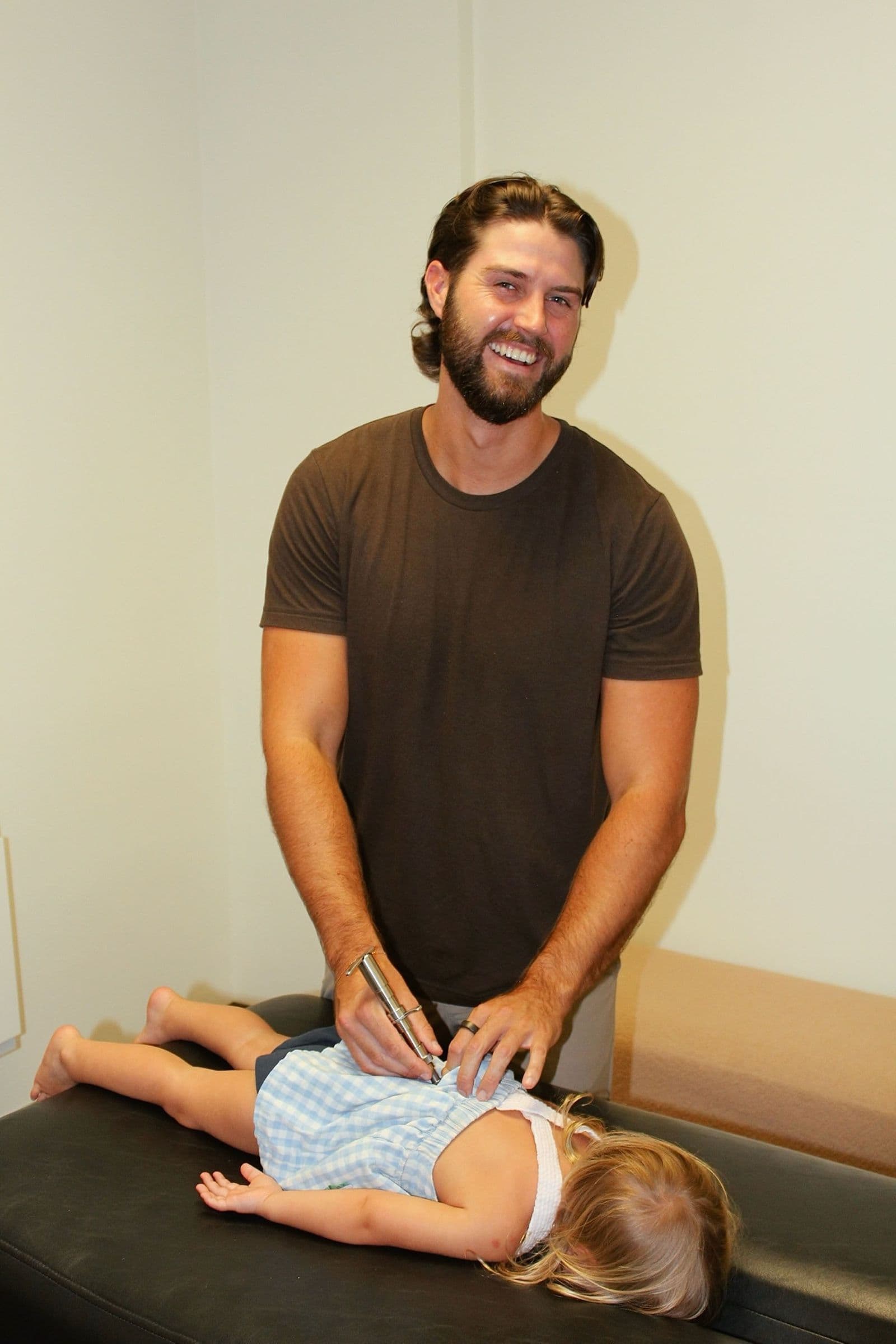
At The Roots, we try to look at the whole picture instead of chasing one sore spot. A visit starts with a conversation about what you're feeling and when it started. From there we do a neurological evaluation and look at how your spine, pelvis, and hips are moving together, taking X-rays only when they're necessary.
The aim is to understand whether the tightness looks more like a muscle pattern, a joint-motion issue, or a nerve being irritated, and to explain it in plain English. Our team uses Torque Release Technique, a gentle, low-force approach, as part of chiropractic care when it fits. Each person and case is different, so we take a personalized approach based on what your body is showing us, and we'll tell you honestly if something should be seen by another provider.
For more on what's behind back pain in general, see our back pain overview and our lower back pain symptoms page.
When to Get Checked Sooner
It's worth scheduling an evaluation if:
- Hamstring tightness and back pain keep returning
- Stretching doesn't seem to help, or makes the pain travel
- You notice numbness, tingling, or weakness in your leg or foot
- The pain is interfering with sleep, work, or the activities you enjoy
Seek urgent medical care right away if back pain comes with loss of bladder or bowel control, numbness in the groin or inner thighs, fever, or sudden severe weakness in a leg.
Frequently Asked Questions
Can tight hamstrings cause lower back pain?
They can contribute. Because the hamstrings attach to the pelvis, tightness can change how the pelvis tilts and shift extra load onto the low back. Tight hamstrings are rarely the whole story, though, and hips, glutes, and nerves often play a part.
Why do my hamstrings feel tight even when I stretch?
If stretching doesn't seem to help, the tightness may be a protective response to something else, such as an irritated joint or nerve in the low back. In that case, pulling harder on the muscle may not address what's behind it.
Should I stretch my hamstrings if my back hurts?
Gentle, comfortable stretching is fine for many people. If a stretch brings on sharp pain, tingling, or pain traveling down your leg, ease off and get it checked.
When should I see a chiropractor for hamstring tightness and back pain?
It's a good idea to be evaluated if the pattern keeps coming back, if symptoms travel into the leg, or if you notice numbness or weakness. For anything sudden and severe, seek urgent medical care first.
Ready to Find Out What's Behind the Tightness?
You don't have to keep guessing or stretching around a problem you can't quite name. Our team in Lakewood Ranch can walk you through what may be going on and what your options are. Book a complimentary consultation and we'll start with a conversation about how you're feeling.
Conditions We Treat
Services Related to This Post
Keep Reading
Related articles
Tight Hip Flexors and Low Back Pain: Why Sitting Makes It Worse
Tight hip flexors can quietly tug on your low back, especially if you sit most of the day. Here's how the connection works, what may help, and when to get checked.
Read articleWeak Glutes and Low Back Pain: The Overlooked Connection
Weak glutes can quietly leave your low back doing extra work. Here's how the hip-and-back connection works, the signs to watch for, and what a proper look involves.
Read articlePiriformis Syndrome vs. Sciatica: How to Tell the Difference
Buttock and leg pain can be piriformis syndrome or sciatica — two different problems with different care paths. Here's how to tell them apart.
Read article