

What Does a Chiropractor Do? A Plain-English Guide
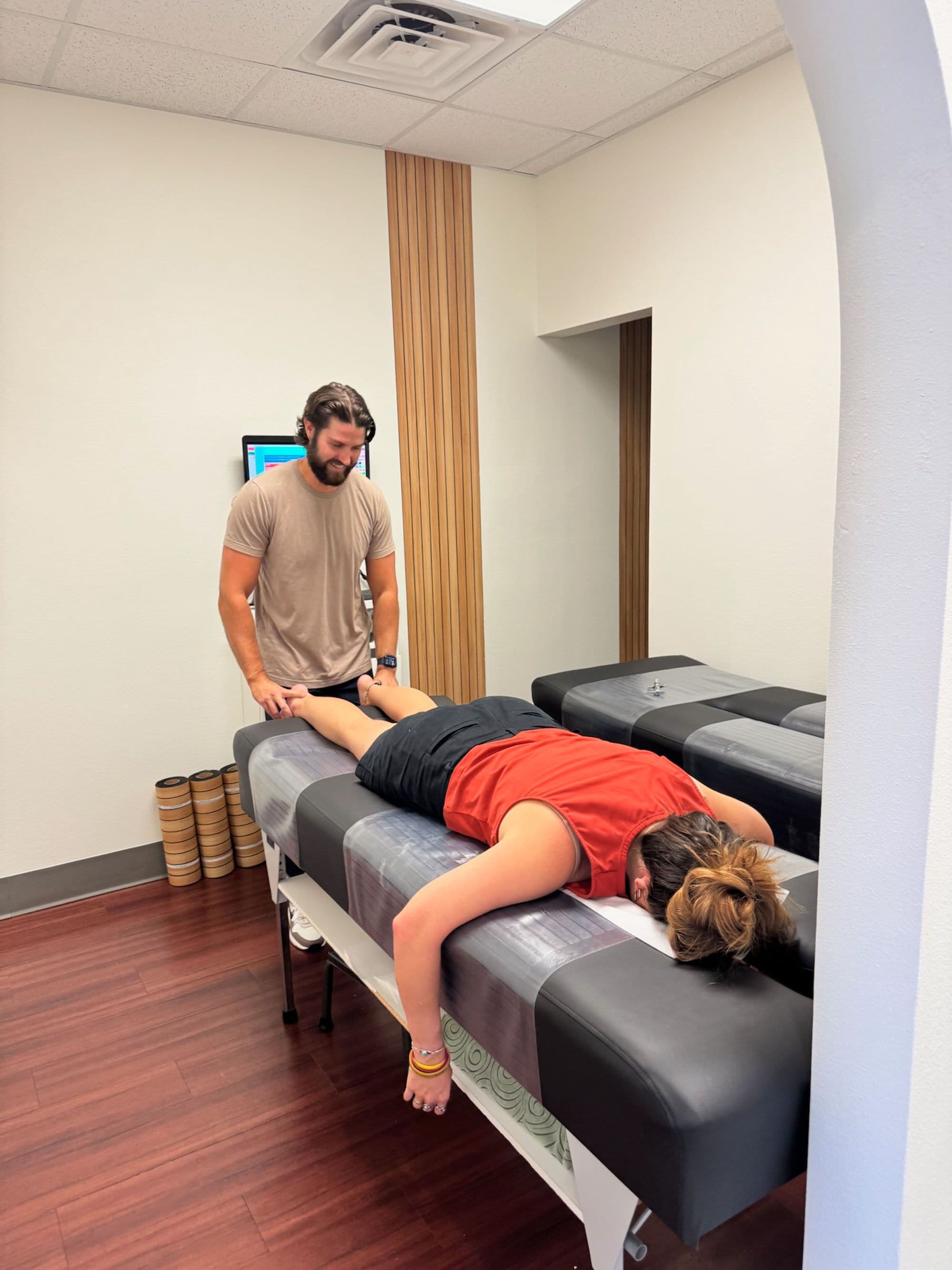
Most people have a general sense that chiropractors work on the spine — but when someone asks what does a chiropractor do, the honest answer is broader than cracking backs.
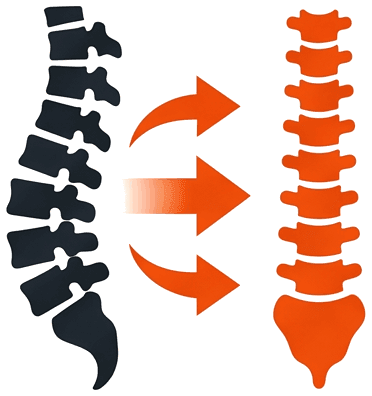
A chiropractor evaluates the relationship between your spine, your nervous system, and the way your body is functioning. They look for areas where the spine is not moving the way it should — places where restricted or misaligned joints are affecting how signals travel between your brain and the rest of your body. Once they find the problem, they use specific, hands-on adjustments — or instrument-assisted techniques — to restore movement, reduce nerve pressure, and support your body's ability to function better.
That's the short version. The longer version — what it actually looks like in a real appointment — is worth knowing before you walk in the door.
What does a chiropractor actually evaluate?
At a thorough chiropractic office, your first visit is not a quick crack-and-go. It starts with a real evaluation.
At The Roots Health Centers, that means:
- A one-on-one consultation where you walk us through your history, your symptoms, and your goals
- A neurological evaluation — objective measurements of how your nervous system is actually functioning
- Any clinically necessary X-rays to see what is actually happening in your spine
- A doctor's recommendations based on what we find — not a generic protocol
The evaluation is where most of the clinical value lives. Without it, you are guessing. With it, you know whether your back pain comes from a disc problem, a misaligned vertebra, nerve compression, or something else entirely — and that shapes everything that follows.
What does a chiropractic adjustment actually do?
The adjustment — sometimes called spinal manipulation — involves applying a controlled, specific force to a joint in the spine or an extremity to restore normal movement and reduce nerve irritation.
The pop or crack that sometimes happens is just the release of gas from the joint fluid — the same thing that occurs when you crack your knuckles. It is not the joint being put back in. What matters is the restored movement, not the sound.
At The Roots, we use Torque Release Technique (TRT) — a gentle, instrument-assisted approach that delivers precise, reproducible adjustments with less force than traditional manual manipulation. It is particularly effective for nervous-system-focused care and tends to feel much gentler than what many people expect. No forced twisting unless clinically appropriate for your situation.
What conditions do people commonly come in for?
Chiropractors see a wide range of musculoskeletal and nerve-related presentations. The most common ones at The Roots Health Centers include:
Back pain — particularly the kind that has not resolved with rest, stretching, massage, or over-the-counter medication. Whether it's a dull ache, sharp pain with movement, or stiffness that has been building for years, the spine is usually involved.
Sciatica — pain that travels from the lower back down through the hip or leg, often with numbness or tingling. Sciatica is typically caused by nerve compression in the lumbar spine or sacral region, and chiropractic care may help by addressing the underlying structural source.
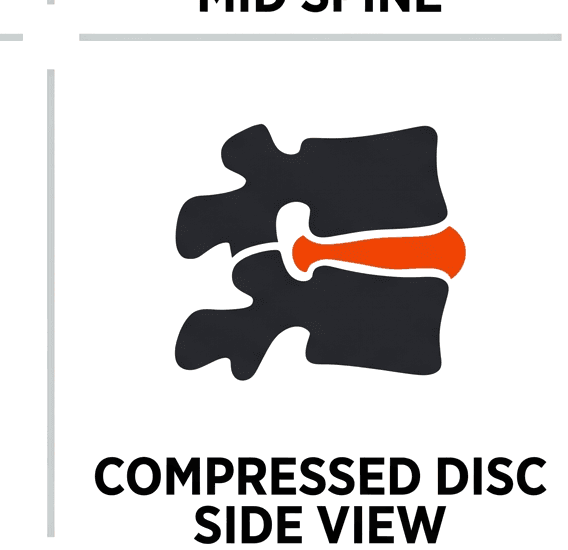
Herniated or bulging discs — when disc material presses on nearby nerves. Depending on severity, chiropractic care — sometimes combined with spinal decompression — is often a first-line conservative option worth exploring before more invasive approaches.
Neck pain and headaches — forward head posture, hours of screen time, and years of looking down all load the cervical spine. Restricted joints in the neck are a common source of both neck pain and tension headaches.
Tech neck — the postural pattern that builds from phones, laptops, and desk work. It is one of the more common presentations we see across all ages, and the effects accumulate quietly over years.
What Does a Chiropractor Do for Vertigo, TMJ, or a Pinched Nerve?
A few other presentations come up regularly enough to call out directly, even though they don't always come to mind first when people think "chiropractor."
Vertigo and dizziness can sometimes trace back to restricted movement in the upper cervical spine, which affects the signals your brain uses to judge balance and position. It isn't the cause of every case of dizziness — plenty of causes are unrelated to the spine — but it's worth ruling in or out as part of a full evaluation.
TMJ and jaw pain often has a postural component. The jaw, neck, and upper spine work together more than most people realize, and restricted movement in the neck can contribute to jaw tension that a dentist alone may not address.
A pinched nerve — most often in the neck or lower back — happens when a nerve root is compressed or irritated as it exits the spine. The resulting pain, numbness, or tingling can radiate well beyond the spine itself, which is why an evaluation looks at the whole picture rather than just where it hurts.
Across all of these, the same principle applies: an accurate evaluation determines what's actually happening before any care plan is recommended.
What does a chiropractor do for lower back pain specifically?
Lower back pain is one of the most common reasons people search for chiropractic care. The lumbar spine bears most of the load of sitting, standing, bending, and lifting. When the joints there are restricted or the discs are compressed, ordinary activities become painful.
Chiropractic care for lower back pain focuses on restoring normal joint movement, reducing muscle guarding around restricted segments, and taking pressure off the nerves that exit the lower lumbar levels. For cases involving significant disc compression, spinal decompression — a traction-based approach that creates space between vertebrae — is often part of the plan alongside adjustments.
Each situation is different. That is why the evaluation always comes first — it tells us what we are actually dealing with so the approach can be tailored to your specific spine.
What Does a Chiropractor Do After a Car Accident?
Auto accidents are one of the most common reasons people end up seeing a chiropractor for the first time. Even a low-speed collision can cause whiplash — a rapid back-and-forth motion of the neck that strains ligaments and joints without necessarily showing up on a standard X-ray. Symptoms sometimes take a few days to appear, which is part of why whiplash is often dismissed early on, only to become a real problem weeks later.
After an accident, a chiropractor's evaluation looks specifically for restricted movement and joint irritation caused by the crash, then builds a plan around what's actually found — not a generic protocol. If you were in a Florida accident, timing matters for more than just your body: our guide on what to do after a car accident in Florida covers the practical first 14 days, including the state's PIP requirements.
What Does a Chiropractor Do for Headaches?
Chronic headaches — especially the tension type that builds through the day — are frequently tied to restricted movement in the upper neck rather than anything happening in the head itself. When the top few vertebrae of the cervical spine aren't moving well, the muscles and nerves in that area can refer pain up into the head, temples, or behind the eyes.
A chiropractor evaluating headaches or migraines looks at neck mobility, posture, and nervous-system function as part of the picture — not as a replacement for ruling out other causes with your physician first, but as a piece that's often overlooked.
What Else Happens at The Roots Beyond Adjustments?
Adjustments are the core of chiropractic care, but at The Roots Health Centers they're usually one part of a broader plan. Depending on what your evaluation shows, your doctor may also recommend:
Red Light Therapy — a 15-minute, non-invasive session that supports circulation and cellular recovery, often used alongside adjustments for inflammation or slow-healing tissue.
Shockwave therapy — a focused acoustic-wave treatment (8–15 minutes per session) for stubborn tendon and soft-tissue issues that haven't responded to rest alone.
Spinal decompression — a traction-based approach for disc-related pressure, often paired with adjustments rather than used in place of them.
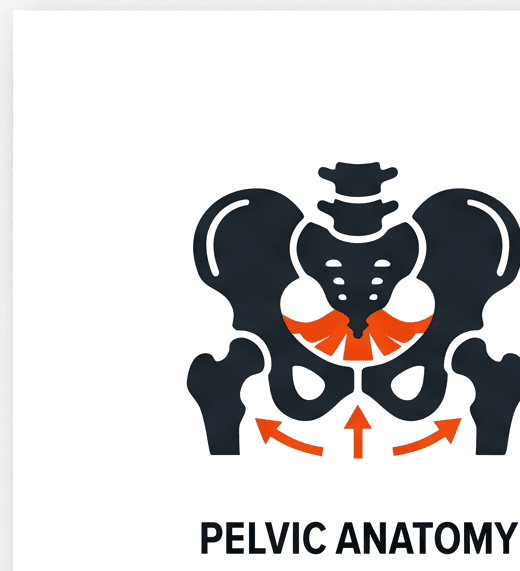
Pelvic floor support using the Freedom+ device — relevant for patients whose evaluation points to pelvic floor involvement, which is more common than most people realize and rarely discussed at a typical chiropractic visit.
Which of these, if any, makes sense for you comes back to the same starting point as everything else here: an accurate evaluation first, a recommendation second.
What to expect at your first visit to a chiropractor
Here is what a first visit at The Roots Health Centers actually looks like:
You'll complete a brief health history. Then you sit down one-on-one with a doctor who will ask about your symptoms, history, and goals. The neurological evaluation gives us objective data about how your nervous system is functioning — it is not based on self-reporting alone.
If X-rays are clinically indicated, we take them during this visit. Once we have reviewed everything, the doctor walks you through what they found and what they recommend. You leave knowing what is actually going on — not just with a brief adjustment and a handshake.
Current new-patient offer: $49, credited toward your care. It covers the consultation, full neurological evaluation, any necessary X-rays, and doctor's recommendations — a package valued at $375.
Frequently Asked Questions
What does a chiropractor do on the first visit? A thorough first visit includes a health history consultation, a neurological evaluation to measure how your nervous system is functioning, any clinically necessary X-rays, and a doctor's recommendations. It is an evaluation appointment — the goal is to understand what is actually going on, not just to provide a quick adjustment.
What does a chiropractor do for sciatica? Chiropractic care for sciatica focuses on identifying and addressing the structural source of nerve compression — typically in the lumbar spine or sacroiliac joint. Adjustments may help restore joint movement and reduce nerve irritation. Where disc compression is significant, spinal decompression is often part of the approach.
Does a chiropractic adjustment hurt? Most people find adjustments comfortable, especially with a gentle instrument-assisted technique like TRT. Some patients hear a pop or feel brief pressure; others feel nothing but relief. If you are nervous going in, tell the doctor — the approach can always be adapted.
How is chiropractic different from physical therapy? Physical therapy emphasizes exercise rehabilitation and soft tissue work. Chiropractic focuses on the structural alignment and movement of the spine and its relationship to the nervous system. Both have value; we will tell you honestly if a referral would serve you better.
Do I need a referral to see a chiropractor in Florida? No. Florida patients can see a licensed chiropractor directly without a primary-care referral.
How often should you see a chiropractor? There's no single answer that fits everyone — it depends on what your evaluation shows and what you're working toward. We walk through how visit frequency is typically decided rather than handing you a generic schedule.
Is chiropractic care safe? For most people, yes. Techniques like TRT are gentle and low-force. We cover the full safety picture — including who should check with their doctor first — in Are Chiropractors Safe?
Can a chiropractor help with vertigo or dizziness? Sometimes. When dizziness is connected to restricted movement in the upper neck, addressing that movement may help — but not all vertigo has a spinal cause, so a proper evaluation is what determines whether chiropractic care is a good fit for your specific situation.
Does The Roots Health Centers offer anything besides adjustments? Yes. Depending on what your evaluation shows, care may also include red light therapy, shockwave therapy, spinal decompression, or pelvic floor support. Not every patient needs all of these — the evaluation determines what's relevant to you.
Ready to get a real answer?
If you have been curious about chiropractic care but were not sure what you were walking into — now you know. A first visit is an evaluation: an objective look at what your spine and nervous system are actually doing, and a clear conversation about what comes next.
Our $49 new-patient offer includes the consultation, full neurological evaluation, any necessary X-rays, and doctor's recommendations. Or start with a complimentary consultation — no commitment, no pressure. Come meet us at The Roots Health Centers in Lakewood Ranch.
Conditions We Treat

Back Pain
Corrective chiropractic care that addresses the structural root cause of back pain — not just masking symptoms with medication.

Sciatica
Non-surgical care for sciatic nerve pain using spinal decompression, corrective chiropractic, and supporting therapies.
Herniated Disc
Non-surgical care for herniated and bulging discs using FDA-cleared spinal decompression, corrective chiropractic, and integrated soft-tissue therapies.
Whiplash
Comprehensive whiplash care for car accident victims — corrective chiropractic, decompression, and full PIP documentation within Florida's 14-day window.
Headaches & Migraines
Neurologically-focused care targeting the spinal misalignments that trigger tension headaches and debilitating migraines.

Vertigo & Dizziness
Not all dizziness starts in the inner ear. When the upper neck stops moving well, it feeds faulty position signals to your brain — a pattern called cervicogenic dizziness. An honest evaluation tells you whether your neck is part of the picture.

TMJ & Jaw Pain
Upper cervical and cranial adjustments that address the structural causes of TMJ dysfunction and jaw pain.
Pinched Nerve
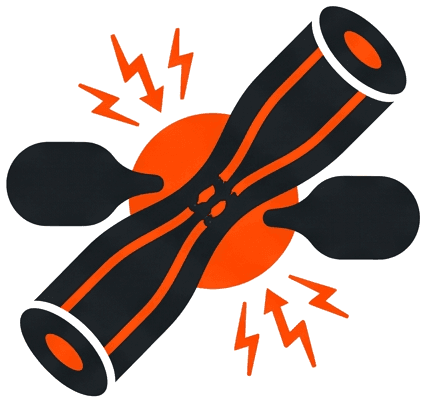
A pinched nerve is a mechanical problem — a disc, joint, or inflamed tissue pressing on a nerve where it exits the spine. The pain, tingling, or numbness travels the nerve's path, which is why arm symptoms so often start in the neck.
Services Related to This Post


Keep Reading
Related articles
What Is the Torque Release Technique — And Why Do We Use It?
Torque Release Technique is one of the most researched and precise chiropractic adjusting methods available. Here's why it's at the core of everything we do.
Read articleWhat Is a Chiropractic Neurological Evaluation? How We Measure Your Nervous System
A chiropractic neurological evaluation uses surface EMG, thermal scanning, and heart rate variability to show how your nervous system is actually functioning — not just where it hurts. Here is what each measurement means and why it matters for your care.
Read articleHerniated Disc vs. Bulging Disc: What's the Difference?
Both show up on MRIs, both can cause pain — but they're not the same thing. Here's how to tell the difference and what your options are.
Read article