

Condition
Vertigo & Dizziness
When your balance system gets mixed signals
Not all dizziness starts in the inner ear. When the upper neck stops moving well, it feeds faulty position signals to your brain — a pattern called cervicogenic dizziness. An honest evaluation tells you whether your neck is part of the picture.
By Dr. Logan Swaim · Last updated July 17, 2026
Get help with Vertigo & Dizziness
Three quick questions — we'll call you within 24 business hours.
Understanding Vertigo & Dizziness
What It Is & Why It Happens
Staying balanced is a constant three-way conversation between your inner ear, your eyes, and the position sensors packed into your joints and muscles — especially the upper neck. Your brain blends those three streams of information every moment you're upright. When they agree, you feel steady. When one stream sends faulty data, your brain gets conflicting reports about where your head is in space, and the result is dizziness, unsteadiness, or a spinning sensation.
The cause matters more than the label. BPPV — benign positional vertigo — happens when tiny crystals in the inner ear shift out of place, triggering brief, intense spinning with head movement. That's an inner-ear mechanism, and we're upfront about it: chiropractic care is not the fix for a crystal problem. Cervicogenic dizziness is different. Here, the upper cervical joints have stopped moving the way they should — often after whiplash, years of forward-head posture, or chronic neck tension — and the position sensors in those joints feed the brain information that no longer matches what the eyes and inner ear report. The mismatch shows up as dizziness, often alongside neck stiffness or headaches at the base of the skull.
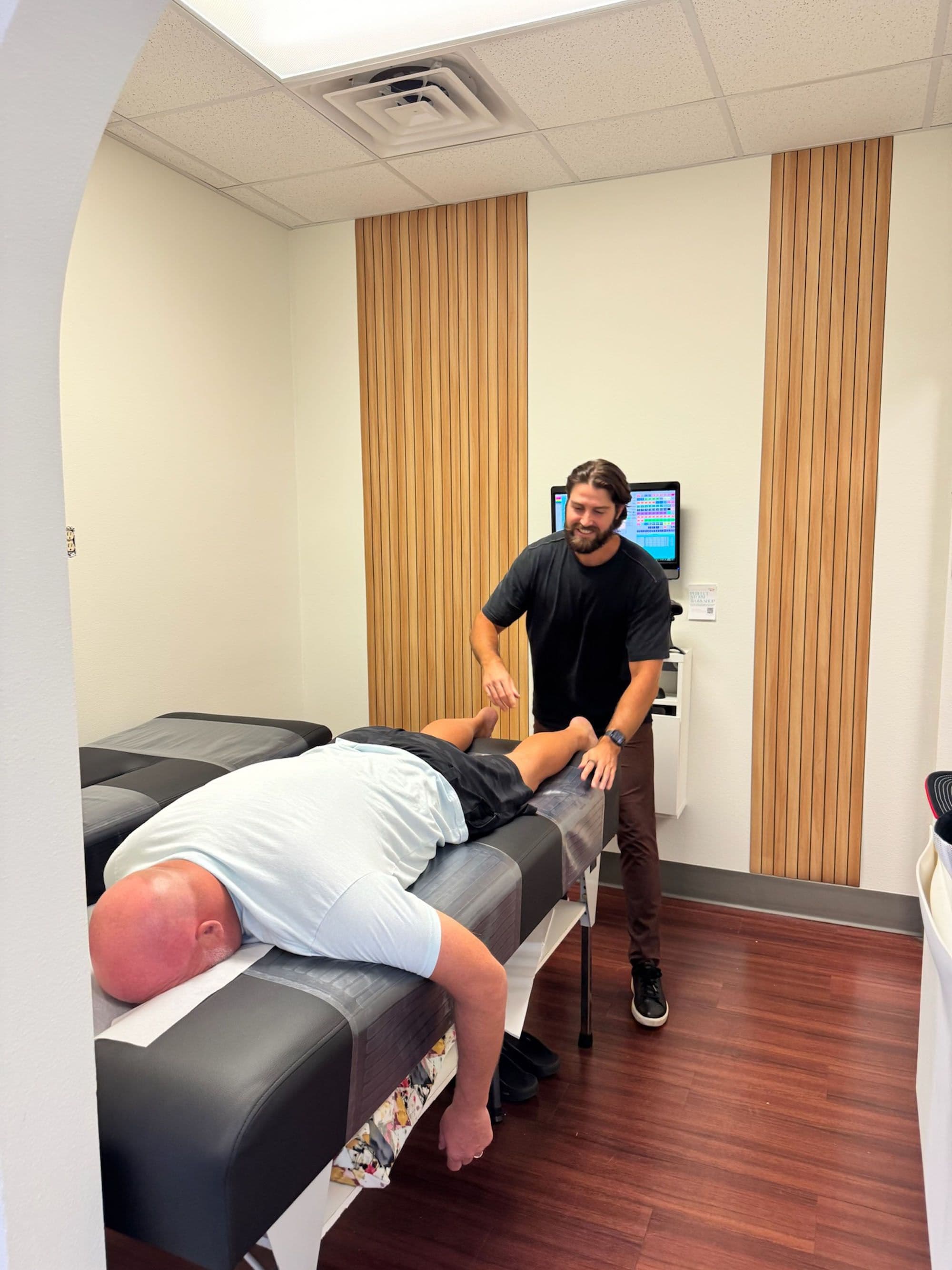
When the neck is the driver, addressing the neck makes sense. Our evaluation starts with a detailed history of your episodes — what triggers them, how long they last, what else comes with them — followed by a neurological evaluation of the cervical spine. If care is appropriate, we use the Torque Release Technique: a gentle, instrument-based adjustment with no twisting or cracking, which matters to people whose symptoms flare with quick head movements.
We're careful about scope here. Chiropractic care doesn't claim to resolve every cause of vertigo, and dizziness with warning signs — slurred speech, one-sided weakness, fainting, symptoms after a head injury — needs medical evaluation first. Where the neck is involved, care can help. Where it isn't, the most useful thing we do is point you toward the right kind of care.
Common Symptoms
Signs You Might Be Dealing With Vertigo & Dizziness
- Spinning or swaying sensations triggered by head movement
- Feeling unsteady or off-balance on your feet
- Dizziness that comes with neck stiffness or neck pain
- Headaches at the base of the skull alongside dizzy spells
- Lightheadedness after long hours at a desk or screen
- Brain fog or trouble focusing during episodes
- Nausea when changing positions quickly
How We Help
Our Treatment Approach
- Detailed episode history — triggers, duration, and accompanying symptoms — to sort neck-driven dizziness from inner-ear patterns
- Neurological evaluation of the cervical spine to identify joint restriction and nerve interference
- Gentle Torque Release Technique adjustments to the upper cervical spine — instrument-based, no twisting or cracking
- Posture and ergonomic review, since forward-head posture is a common contributor to cervicogenic dizziness
- Honest referral guidance when the pattern points to an inner-ear or medical cause instead of the neck
From Our Doctors
Hear it from the team
Dr. Logan Swaim — Gentle Chiropractic no Cracking”
More from the team
Services That Help
Treatments for Vertigo & Dizziness
Related Symptoms
Symptoms Often Linked to Vertigo & Dizziness




Read More
Articles About Vertigo & Dizziness
Dizziness and Vertigo: Why It Happens and How Chiropractic Care May Help
Vertigo and dizziness have many causes, and the neck is an overlooked one. Here's how the systems that keep you balanced work, and how chiropractic care may help.
Neck Pain That Won't Let Up: What's Causing It and How to Find Relief Without Surgery
Neck pain has many causes, from posture to a pinched nerve. Here's how to tell what's behind yours, the red flags to know, and a non-surgical path to relief.
Post-Concussion Syndrome After a Crash: What to Know
Weeks after a crash and still dealing with headaches, brain fog, or dizziness? Here's what post-concussion syndrome is, when to seek emergency care, and what recovery support can look like.
Common Questions
Frequently Asked Questions
Who You'll See
Doctors who see this every week
The Roots Health Centers is led by the same doctors at every visit — no rotating providers. Care starts with a full neurological evaluation, and a doctor walks you through what it found before anything else is recommended.



Care for vertigo & dizziness
Inside the plan.

Precision over pressure — care that addresses the cause.

Dr. Logan's neuropathy book — free at every visit.
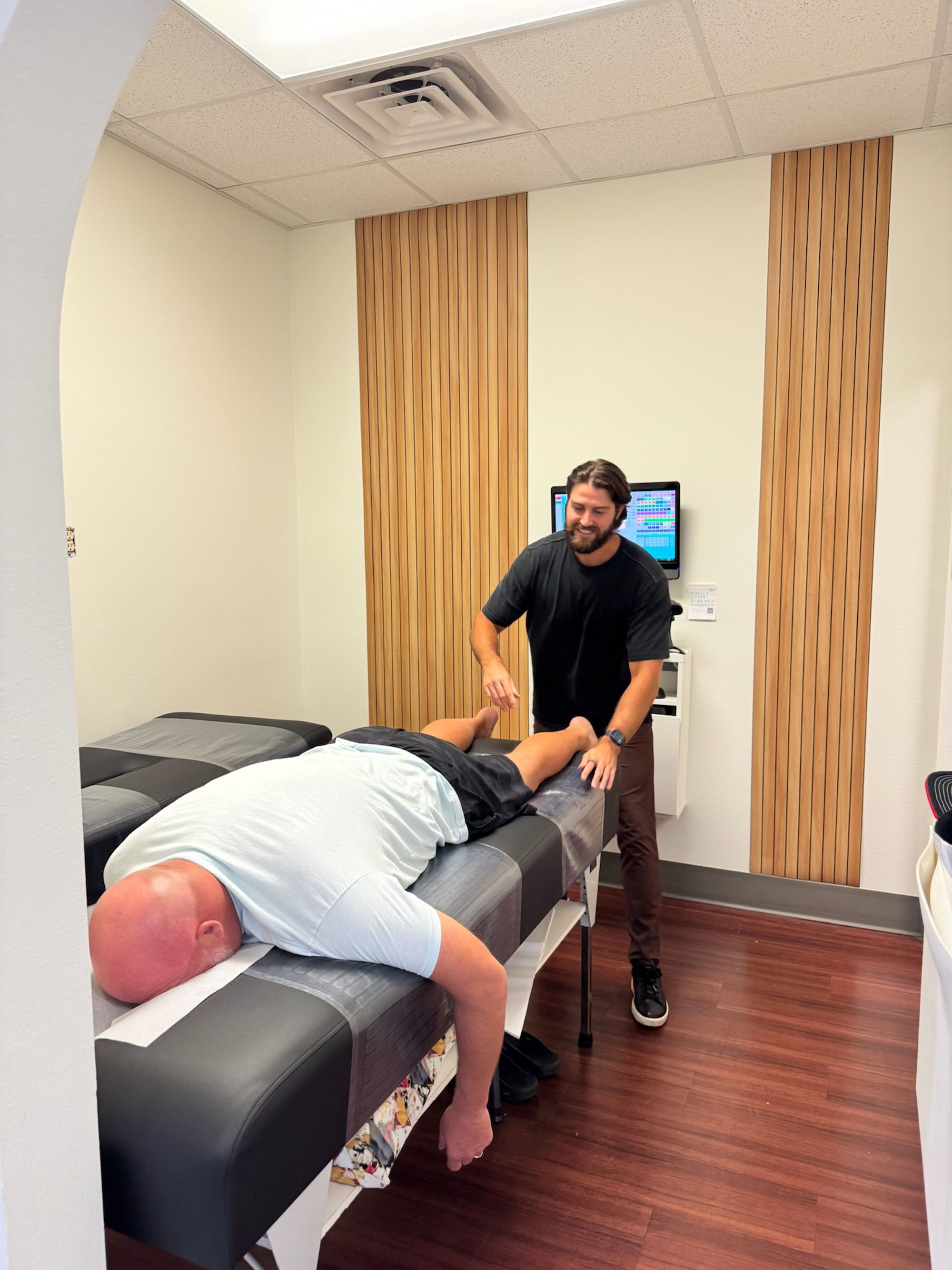
Precision over pressure — care that addresses the cause.
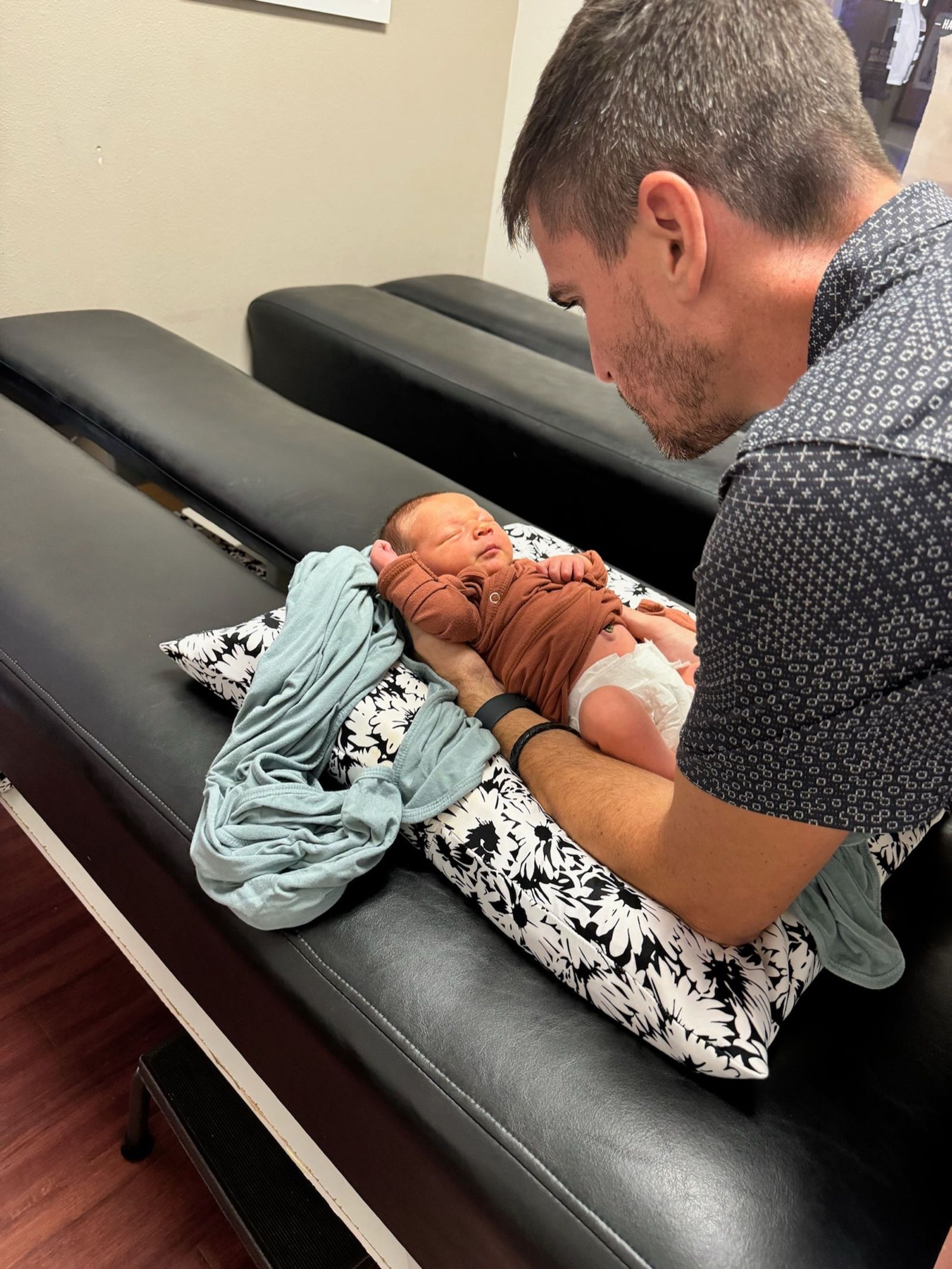
Dr. Logan in the office.
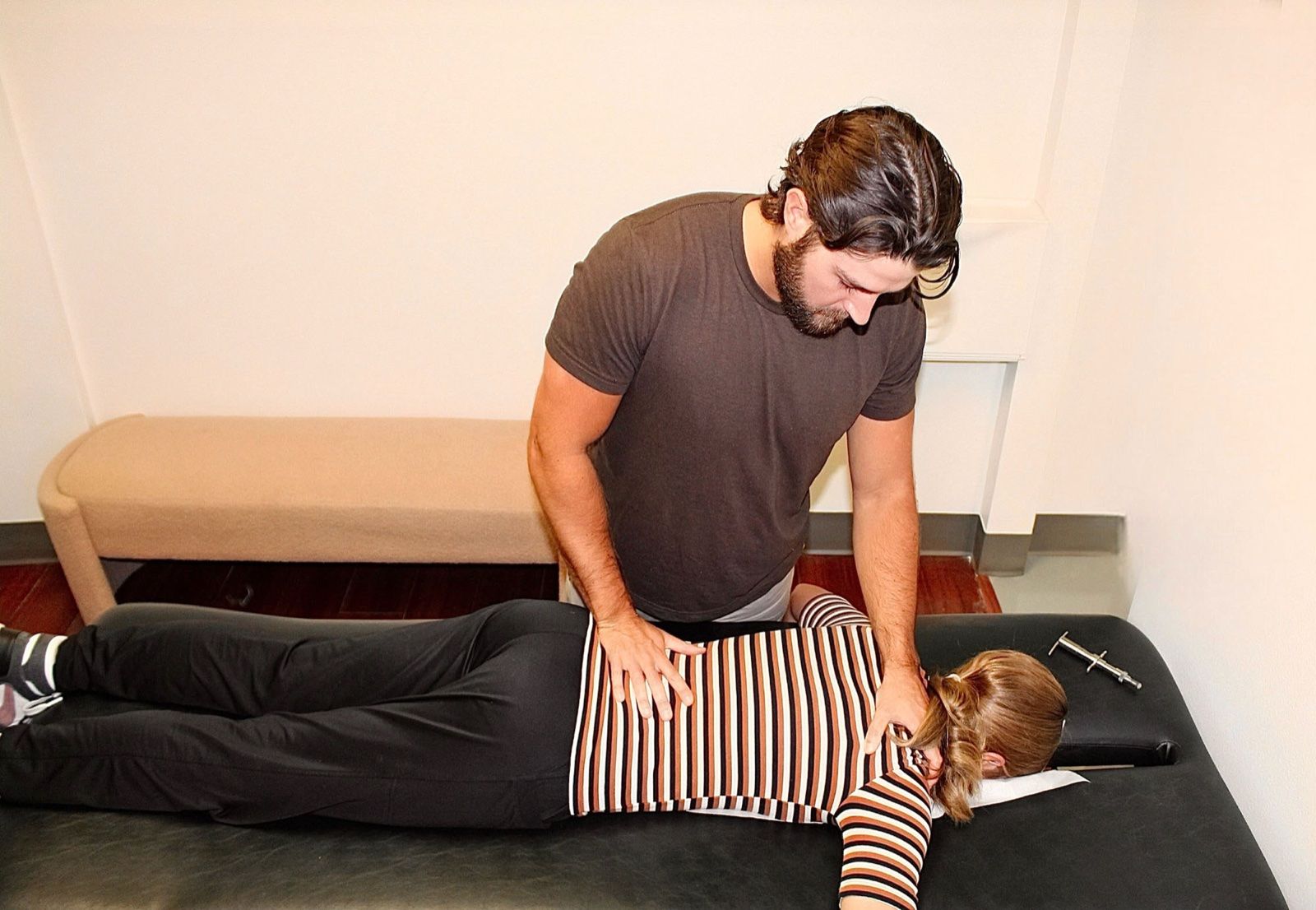
Dr. Fox at work.

Carly — patient care that feels like family.

Dr. Laura in the office.

Dr. Fox at work.
Keep Exploring
See patient case studies
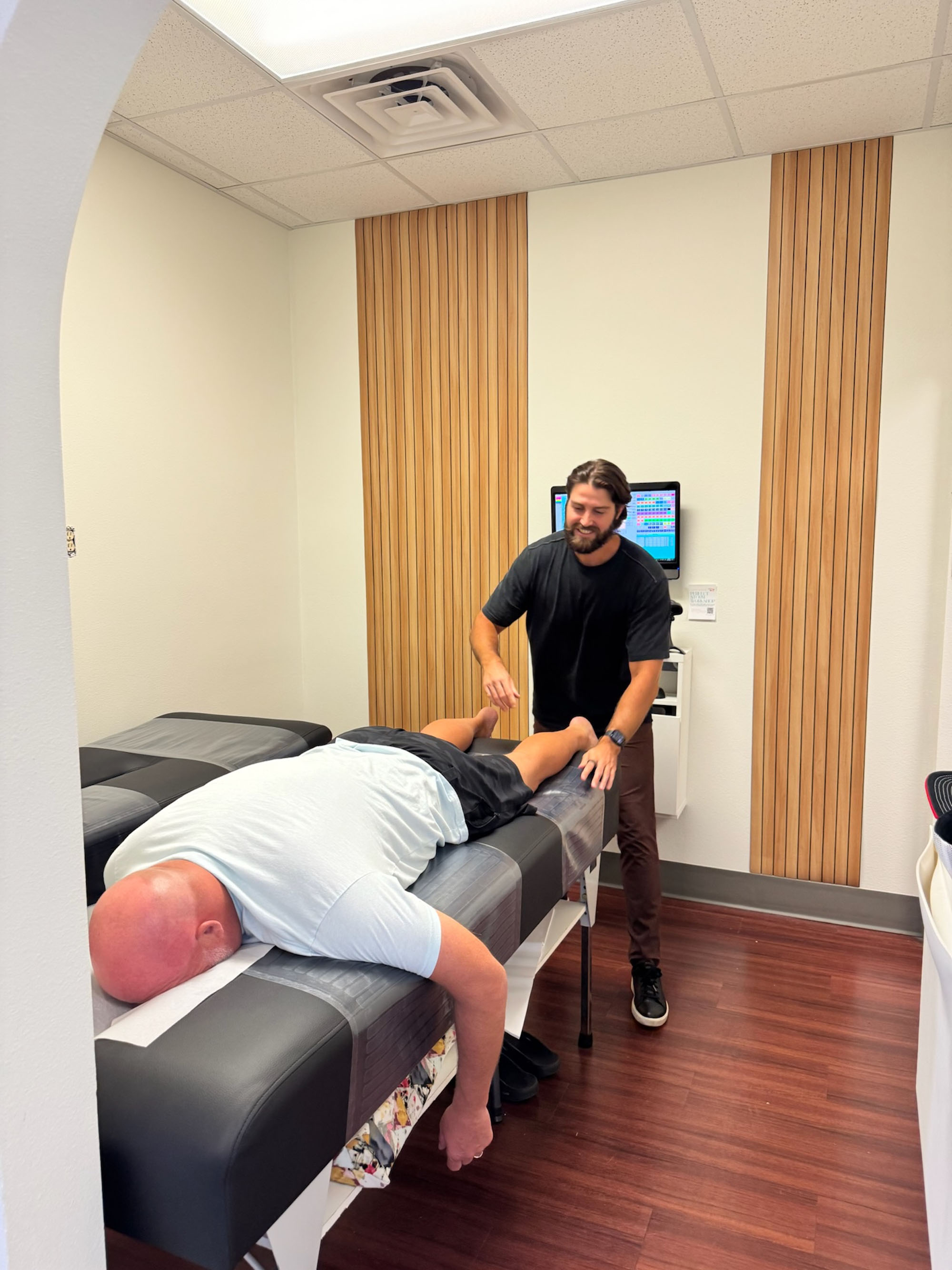
Real Patient Stories
Real patients.
Documented, start to finish.
Ready to Address
the Root Cause?
Schedule a comprehensive exam and let's build a plan that actually works.
*Includes consultation, neurological exam, scans & x-rays (if needed)