Chiropractic Care for Scoliosis: What Actually Helps
If you or someone you love has been told they have scoliosis, one question tends to come up first: does chiropractic care for scoliosis actually help, or is it just something people say to be reassuring? It's a fair question, and it deserves an honest answer. Scoliosis is a structural curve in the spine, and chiropractic care isn't a cure for that curve — no one can promise to straighten a spine back into a textbook line, and you should be skeptical of anyone who says otherwise. What chiropractic care can do is support how your spine functions day to day: easing the compensations your body makes around the curve, supporting posture and mobility, and helping you understand what's actually happening in your body instead of guessing. If you're searching for a scoliosis chiropractor in Lakewood Ranch, or you're just trying to figure out your next step, here's what's worth knowing before you book anything.
What Is Scoliosis, Exactly?
Scoliosis is a sideways curve of the spine, usually described by its shape (a single "C" curve or a double "S" curve) and its degree of curvature. Most people picture it as something that only affects kids during growth spurts, but adult scoliosis is common too — sometimes a childhood curve that was never severe enough to treat surgically continues quietly into adulthood, and sometimes a new curve develops later in life as the discs and joints in the spine wear unevenly over the decades. In most cases, the exact cause is never fully identified, which is why it's usually labeled "idiopathic." What matters most for day-to-day life isn't the label — it's how the curve is affecting your comfort, your posture, and your movement.
Can Chiropractic Care Help Scoliosis?
This is the question most people actually want answered, so we'll be direct about it: chiropractic care can't reverse or eliminate a structural curve, and any care plan that promises to "fix" your scoliosis outright deserves a second opinion. What chiropractic care can do is support the muscles, joints, and nervous system that are working overtime to compensate for the curve. That often means less tension on the tight side of the curve, better awareness of posture throughout the day, and support for the mobility that a rotated or curved spine tends to lose over time. Because every curve is different — different location, different degree, different history — your care plan should be personalized to what your spine is actually showing, not a generic protocol applied to everyone who walks in with the same diagnosis.
Common Symptoms Adults With Scoliosis Notice
Adults with scoliosis don't always know they have it until something else brings them in. The most common giveaway is back pain that seems to favor one side, along with visible asymmetry — one shoulder blade sitting higher than the other, a hip that seems to jut out more on one side, or clothes that never quite hang evenly. Because the curve changes how weight moves through your spine, it's also common to see compensations show up as hip pain, one leg feeling "shorter," or a general sense that you're always favoring one side without quite knowing why. None of these symptoms are exclusive to scoliosis, which is part of why an evaluation matters more than trying to self-diagnose from a mirror.
Why Sitting and Posture Make It Worse
A spine with an existing curve is more sensitive to the everyday habits that stress everyone's spine — it just tends to show it sooner. Long stretches at a desk, a phone habit that pulls your head forward, or a job that has you leaning the same direction for hours all add extra load to a spine that's already working around a curve. We've written before about how sitting for hours quietly wrecks your spine, and the same principles apply here, just with less margin for error. Paying attention to how you sit, stand, and sleep won't undo a structural curve, but it can meaningfully change how much discomfort you feel from it day to day.
What a Neurological Evaluation and Any Necessary X-Rays Show
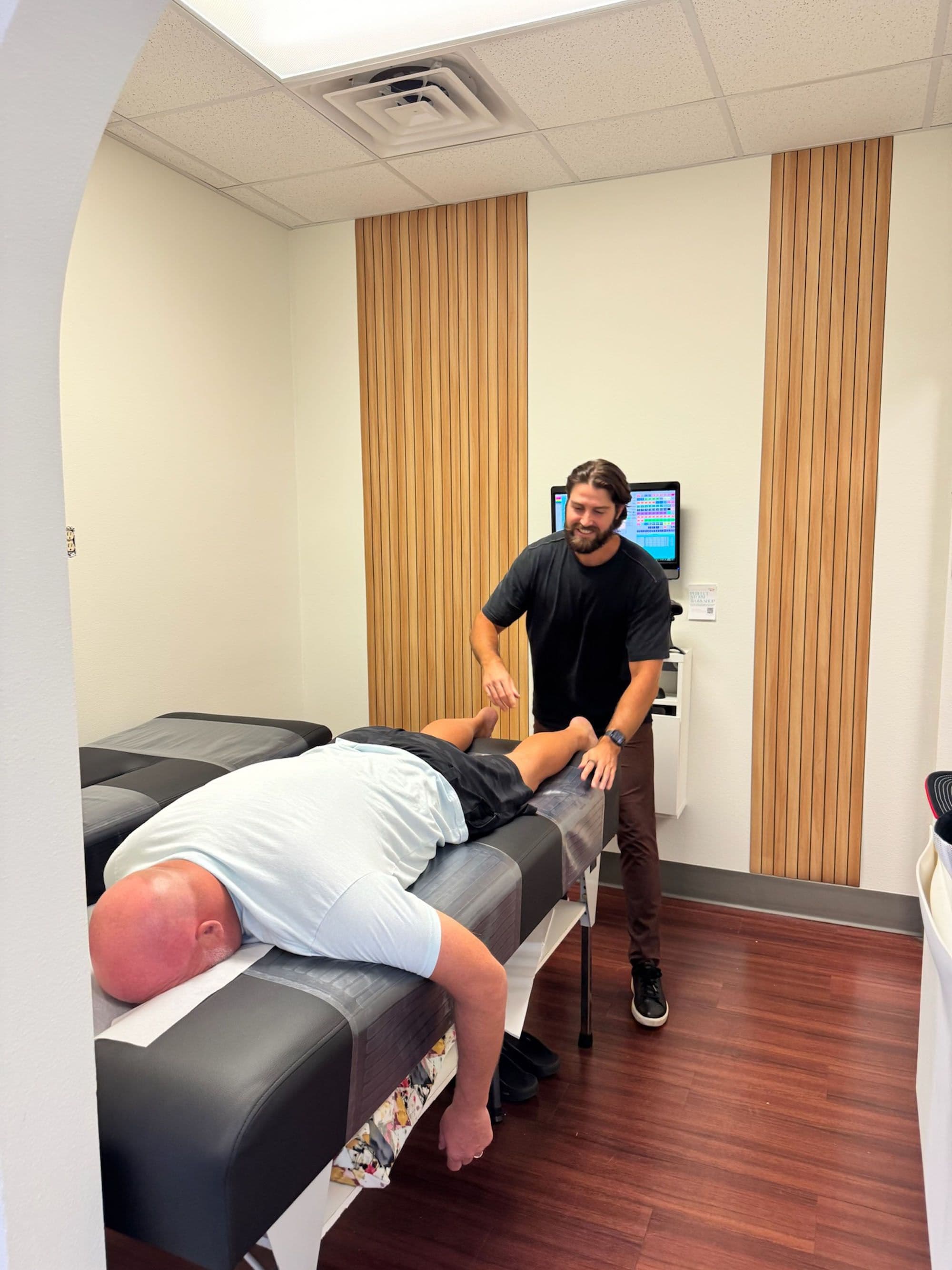
Because scoliosis can look and feel different from one person to the next, guessing isn't a great starting point. A visit at The Roots Health Centers starts with a consultation and a full neurological evaluation, so our doctors can see how your nervous system and spine are actually functioning rather than working off assumptions. Any necessary X-rays help confirm the degree and location of the curve, which matters because a mild thoracic curve and a more pronounced lumbar curve call for different priorities in a care plan. From there, our doctors can walk you through what they're seeing and talk through a personalized approach — since each case is different, what helps one person's curve isn't automatically what helps yours. Our chiropractic care uses Torque Release Technique, a low-force, instrument-assisted approach that doesn't rely on the kind of forceful twisting people sometimes picture when they think of spinal adjustments.
What to Expect If You Come In
There's no single script for scoliosis care, and we'd be skeptical of anyone who promised one. What you can expect is a starting conversation: a look at your evaluation and any necessary X-rays, a plain-English explanation of what your curve looks like and how it may be affecting your symptoms, and doctors' recommendations built around your specific spine rather than a general scoliosis protocol. Some people are mainly looking for support with day-to-day discomfort; others want a clearer picture of how their curve has changed over time. Either way, the goal is the same — understanding what's actually going on before deciding what, if anything, comes next.
When to Seek Immediate Medical Care
Most scoliosis-related discomfort is something to address over time, not an emergency. That said, a few situations call for prompt medical evaluation rather than a chiropractic visit: a curve in a child or teenager that appears to be progressing quickly, sudden and severe back pain that came on without an obvious cause, numbness or weakness in the legs, or any loss of bladder or bowel control. Those symptoms point to something beyond a typical scoliosis presentation and are worth ruling out with a physician first.
Frequently Asked Questions
Can a chiropractor help scoliosis? Chiropractic care can't reverse a structural curve, but it can support the posture, mobility, and muscle balance that are often affected by one. Many adults use chiropractic care to help manage day-to-day discomfort connected to their curve rather than to change the curve itself.
Is scoliosis curable? No — scoliosis is a structural change in the spine, and there isn't a cure that reverses an existing curve without surgical intervention in more severe cases. Care for scoliosis is generally about managing symptoms and supporting function, not eliminating the curve.
What causes scoliosis in adults? Most adult scoliosis either began in childhood and continued quietly into adulthood, or developed later in life as the discs and joints of the spine wear unevenly with age. In the majority of cases, no single cause is ever identified, which is why it's typically labeled idiopathic.
Can you fix scoliosis without surgery? "Fixing" implies eliminating the curve entirely, which non-surgical care isn't intended to do. What non-surgical approaches, including chiropractic care, can offer is support for comfort, posture, and mobility around an existing curve — which is genuinely helpful for many people, even though it's a different goal than correction.
When should I get my scoliosis checked? If you're noticing new or worsening back pain, visible asymmetry in your shoulders or hips, or you simply don't know the extent of a curve you suspect you have, a neurological evaluation is a reasonable next step. Progressive curves in children or sudden neurological symptoms in anyone warrant prompt medical attention.
If you've been wondering whether chiropractic care could help with your scoliosis, a complimentary consultation is a low-pressure way to get real answers. We'll walk you through a full neurological evaluation, explain what we're seeing, and talk through a personalized path forward together.
The Roots Health Centers, 8209 Natures Way, Unit 115, Lakewood Ranch, FL 34202.
Conditions We Treat
Scoliosis
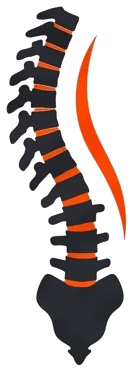
Chiropractic care doesn't straighten a scoliotic curve — and we'll never tell you otherwise. What it can do is help manage the pain, stiffness, and uneven muscle load that come with living in a curved spine, while keeping an honest eye on the curve itself.
Back Pain
Corrective chiropractic care that addresses the structural root cause of back pain — not just masking symptoms with medication.
Hip Pain
Hip pain can start in the joint itself — or in the SI joint, the lower back, a tilted pelvis, or the muscles that cross the hip. Because those sources feel remarkably similar, finding the right one comes before any adjustment.
Services Related to This Post
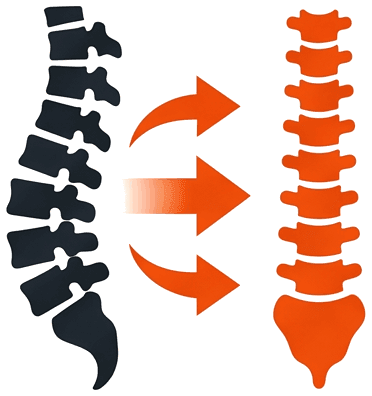
Keep Reading
Related articles
How Sitting 8 Hours a Day Is Quietly Wrecking Your Spine
Modern work keeps you seated, but your spine wasn't built for that. Here's what prolonged sitting actually does to your body — and what may help.
Read article5 Signs Your Back Pain Isn't Just Muscular
Not all back pain is created equal. If you're experiencing these warning signs, the problem might be deeper than tight muscles.
Read article