
Condition
Scoliosis
Living well with a curved spine is the real goal
Chiropractic care doesn't straighten a scoliotic curve — and we'll never tell you otherwise. What it can do is help manage the pain, stiffness, and uneven muscle load that come with living in a curved spine, while keeping an honest eye on the curve itself.
By Dr. Logan Swaim · Last updated July 17, 2026
Get help with Scoliosis
Three quick questions — we'll call you within 24 business hours.
Understanding Scoliosis
What It Is & Why It Happens
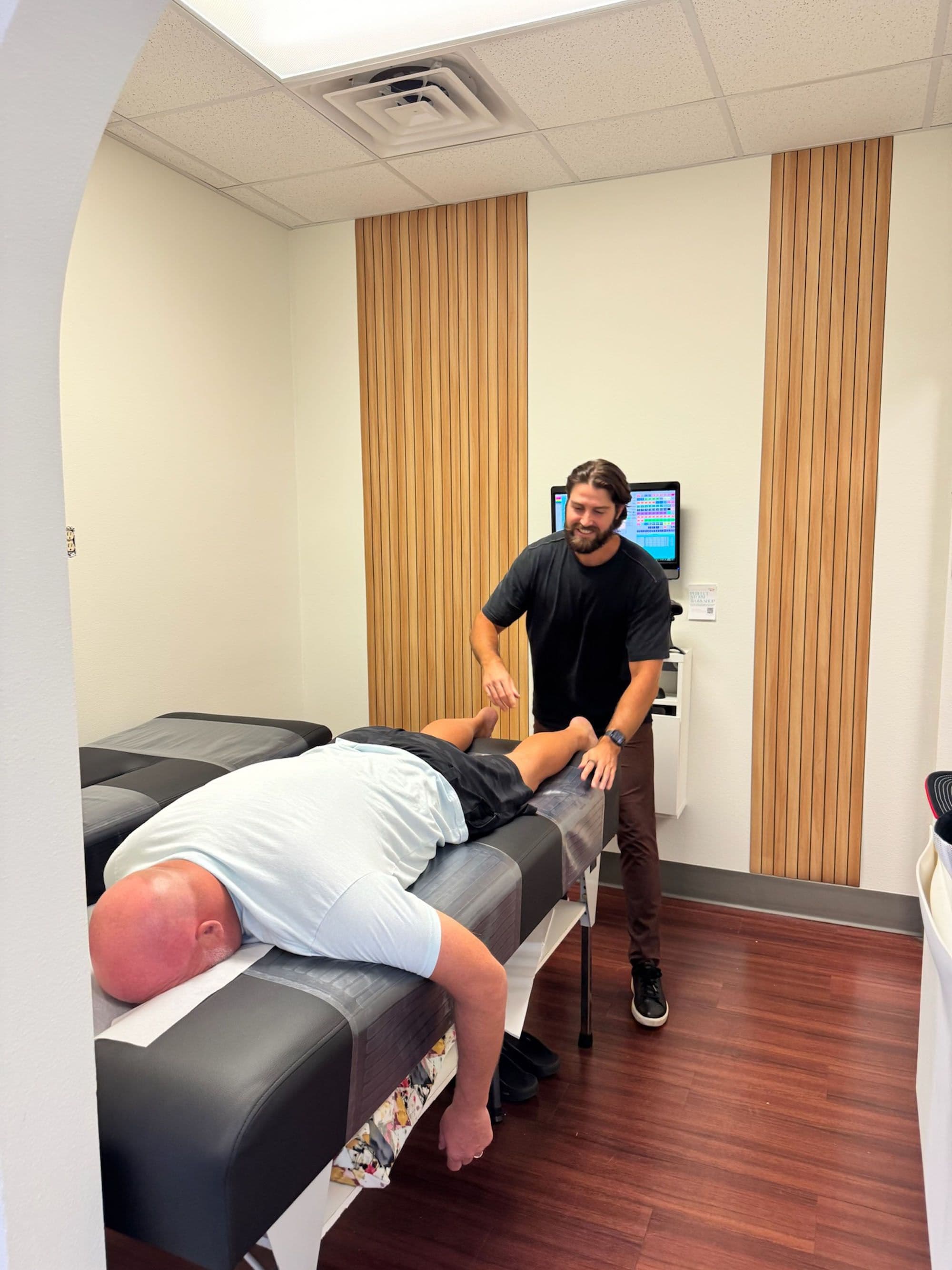
Scoliosis is a sideways curvature of the spine, usually with some rotation built in. Most adults with scoliosis fall into one of two groups: those whose curve appeared in adolescence and came along into adulthood, and those who developed a new curve later in life as discs and joints wore unevenly — what's called degenerative or de novo scoliosis. Either way, adults rarely come to us about the curve itself. They come in because of what the curve produces: back pain concentrated on one side, stiffness, muscle fatigue, a hip or shoulder that sits higher, and a spine that has to work harder than a straight one to get through the same day.
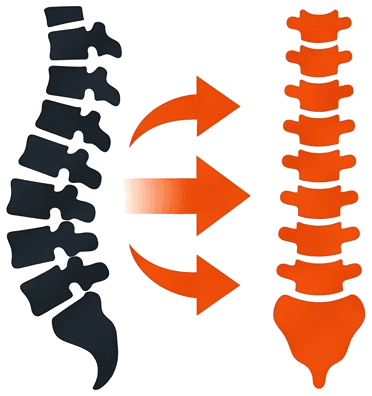
Here's the honest framing, because scoliosis care attracts more overpromising than almost any condition we see: chiropractic adjustments do not correct, cure, or straighten a scoliotic curve, and we won't tell you otherwise. What care can genuinely offer is support for the spine you have — keeping the joints along the curve moving instead of rigid, easing the muscle strain that builds on the convex and concave sides, managing pain without medication, and monitoring the curve over time. Decisions about bracing or surgery belong with orthopedic specialists, and when a curve needs that conversation, we say so and help you have it.
Care starts with actually seeing the curve. The new patient visit includes a consultation, a full neurological evaluation, and any necessary X-rays — which for scoliosis means understanding the curve's location and behavior before anyone touches your spine. Adjustments use the Torque Release Technique: gentle, instrument-based, no twisting or cracking — a meaningful distinction for people who've been warned against forceful manipulation of a curved spine. Visits also address the muscle imbalance a curve creates, with home strategies to support the side that's overworking.
A note for parents: adolescent scoliosis is a different situation, because a curve in a still-growing spine needs careful screening and monitoring during growth spurts — the window where changes happen fastest. Our sister practice, Little Roots Pediatric Chiropractic (littlerootschiro.com), handles pediatric evaluation next door to us, and their team has written about scoliosis screening in kids. If you've noticed uneven shoulders or hips in your child, start with an evaluation there.
Common Symptoms
Signs You Might Be Dealing With Scoliosis
- Back pain concentrated on one side of the spine
- One shoulder, shoulder blade, or hip sitting visibly higher than the other
- Muscle fatigue or aching along one side of the back by day's end
- Stiffness and reduced flexibility through the mid or lower back
- Clothing that hangs unevenly or a waistline that looks asymmetric
- A rib prominence or uneven appearance when bending forward
- Low back or hip pain from the uneven load the curve creates
How We Help
Our Treatment Approach
- Necessary X-rays — included in the new patient visit — to see the curve's location and pattern before any care begins
- Full neurological evaluation to map how the curve is loading joints, nerves, and muscles
- Gentle Torque Release Technique adjustments to keep the joints along the curve mobile — instrument-based, no twisting or cracking
- Muscle-balance support for the overworked side of the curve, with targeted home strategies
- Periodic re-evaluation to monitor the curve and how your spine is managing it over time
- Straightforward referral to orthopedic specialists when a curve warrants a bracing or surgical conversation
From Our Doctors
Hear it from the team
Dr. Logan Swaim — Gentle Chiropractic no Cracking”
More from the team
Services That Help
Treatments for Scoliosis
Related Symptoms
Symptoms Often Linked to Scoliosis
Read More
Articles About Scoliosis
What Is Corrective Chiropractic — And How Is It Different?
Most chiropractors focus on temporary symptom relief. Corrective chiropractic is designed to make lasting structural changes — here's how.
What Is the Torque Release Technique — And Why Do We Use It?
Torque Release Technique is one of the most researched and precise chiropractic adjusting methods available. Here's why it's at the core of everything we do.
5 Signs Your Back Pain Isn't Just Muscular
Not all back pain is created equal. If you're experiencing these warning signs, the problem might be deeper than tight muscles.
Common Questions
Frequently Asked Questions
Who You'll See
Doctors who see this every week
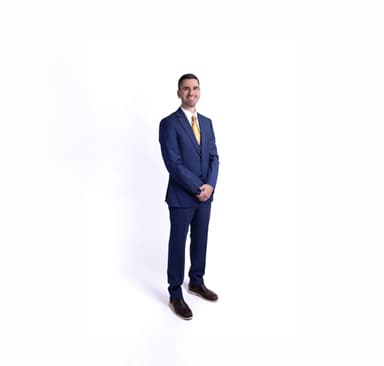
The Roots Health Centers is led by the same doctors at every visit — no rotating providers. Care starts with a full neurological evaluation, and a doctor walks you through what it found before anything else is recommended.

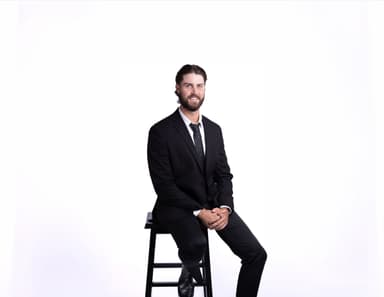
Care for scoliosis
Inside the plan.
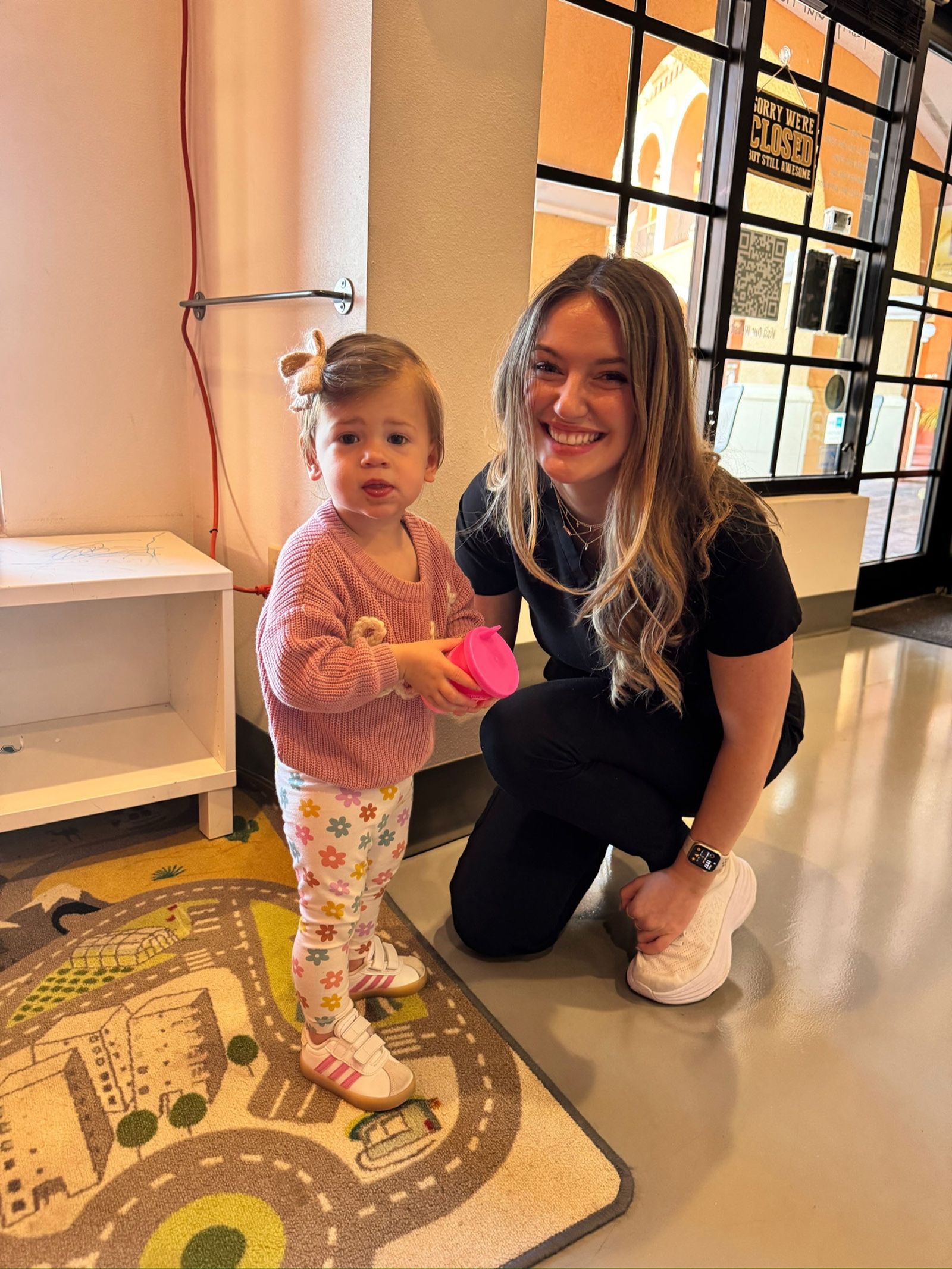
Carly — patient care that feels like family.
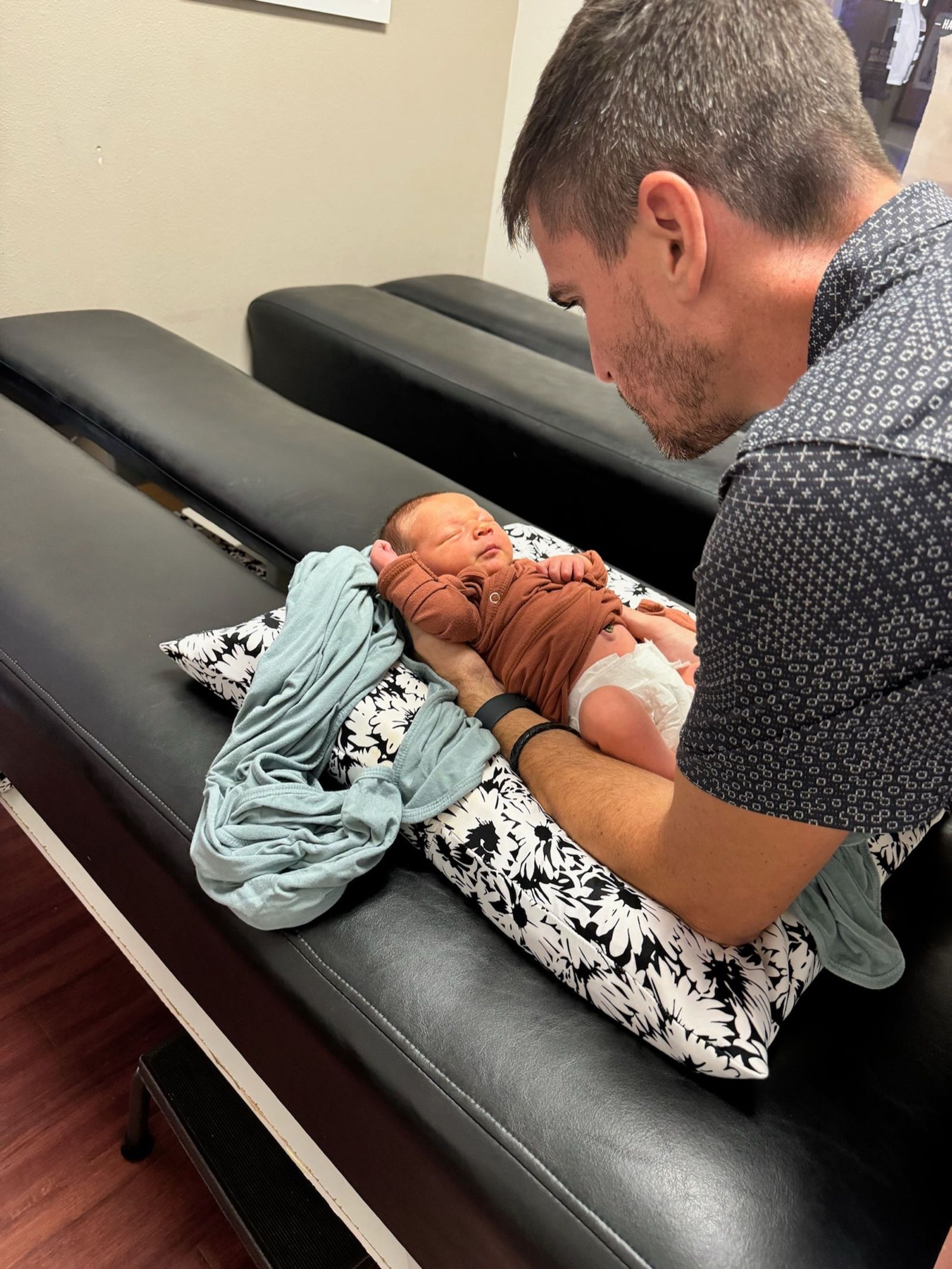
Dr. Fox at work.
Dr. Logan in the office.
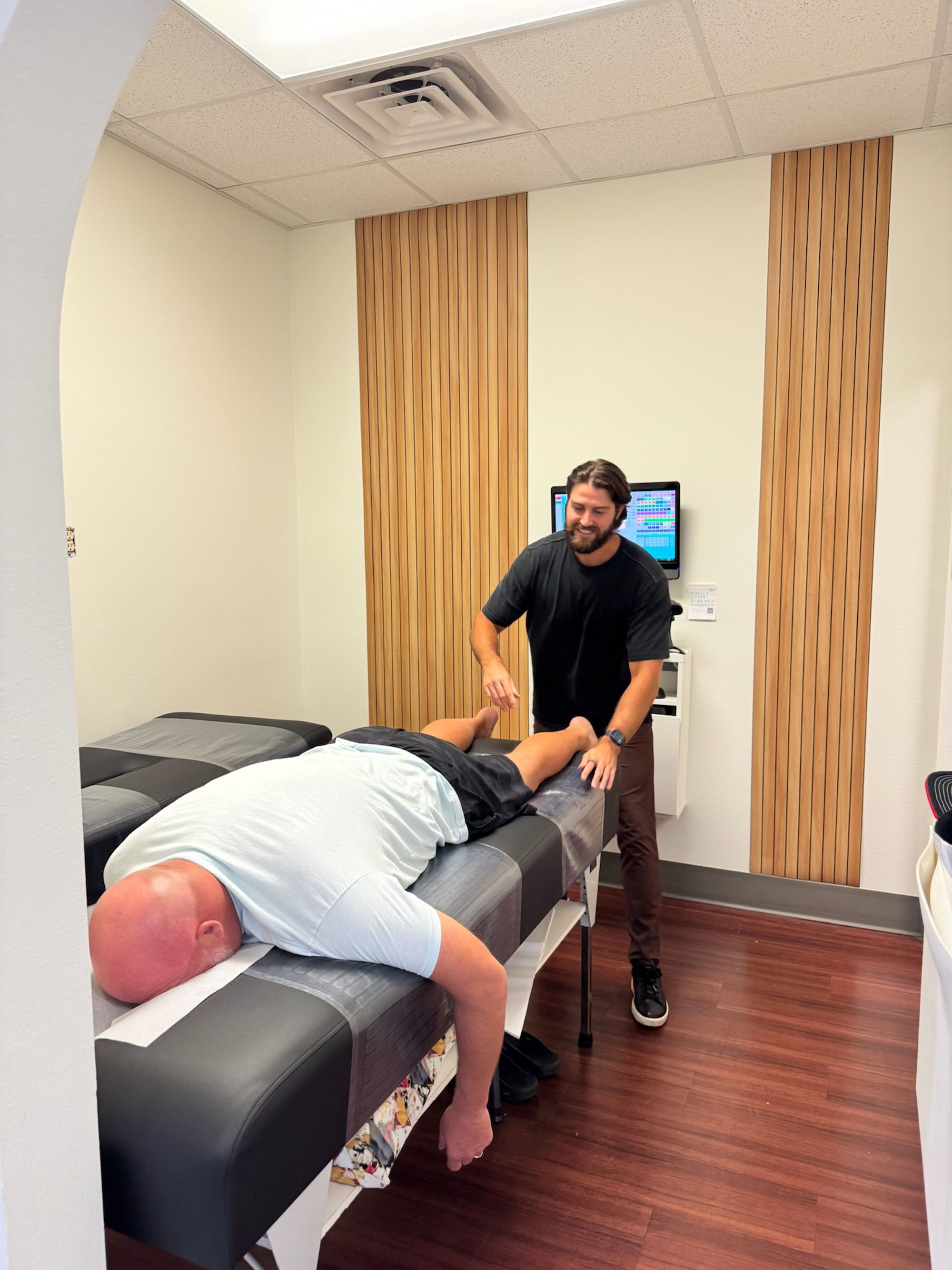
Precision over pressure — care that addresses the cause.
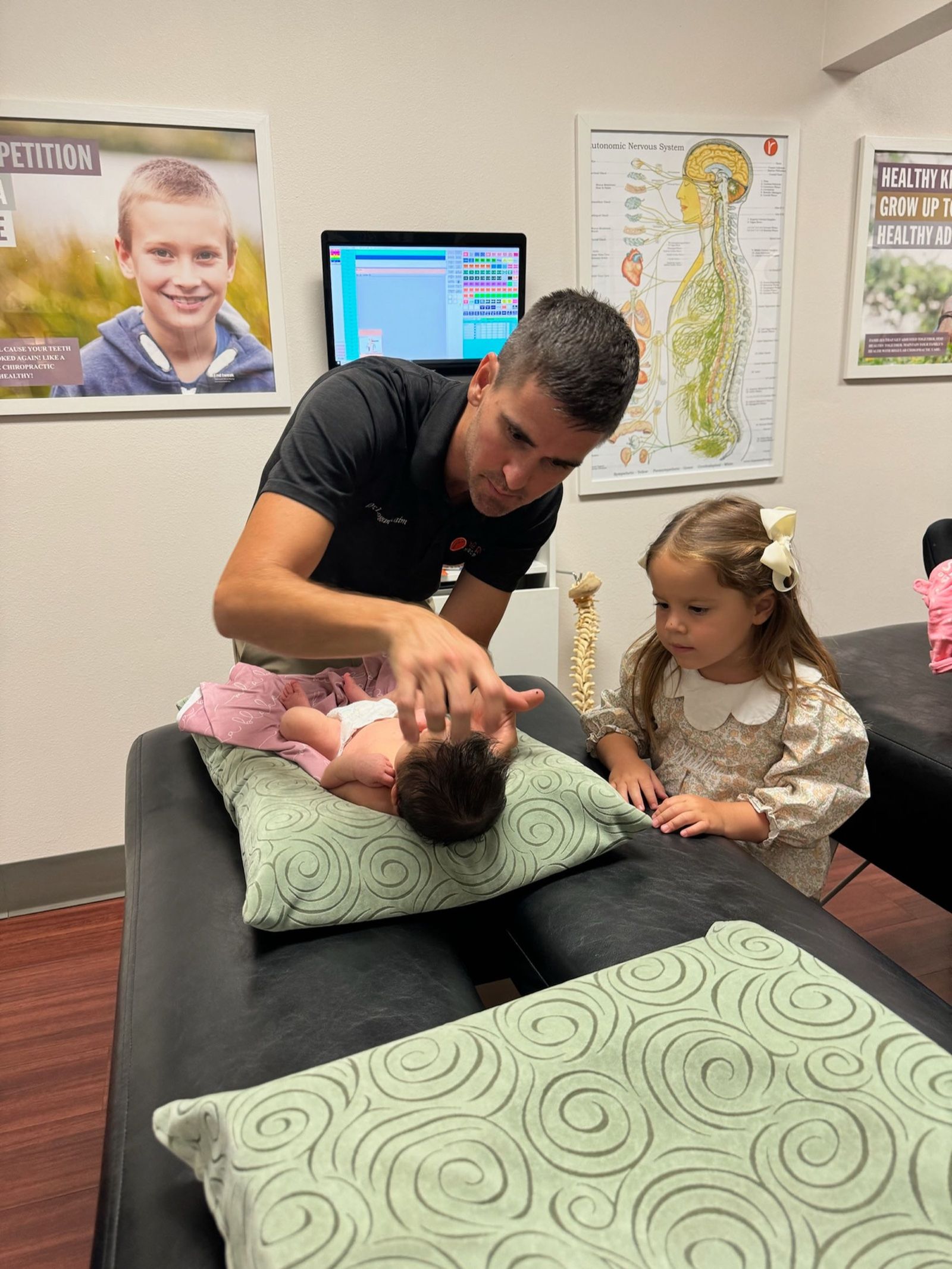
Dr. Logan in the office.
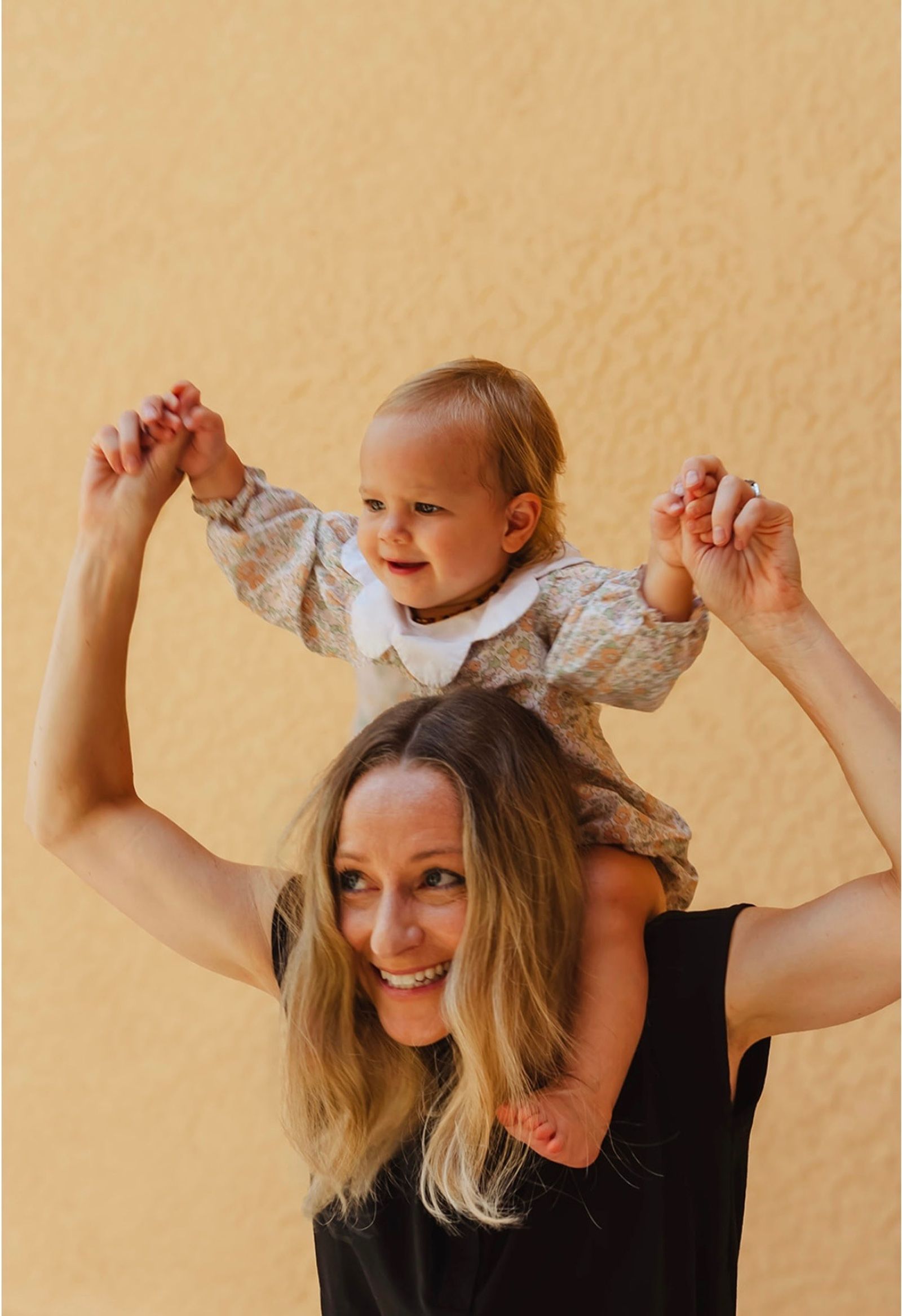
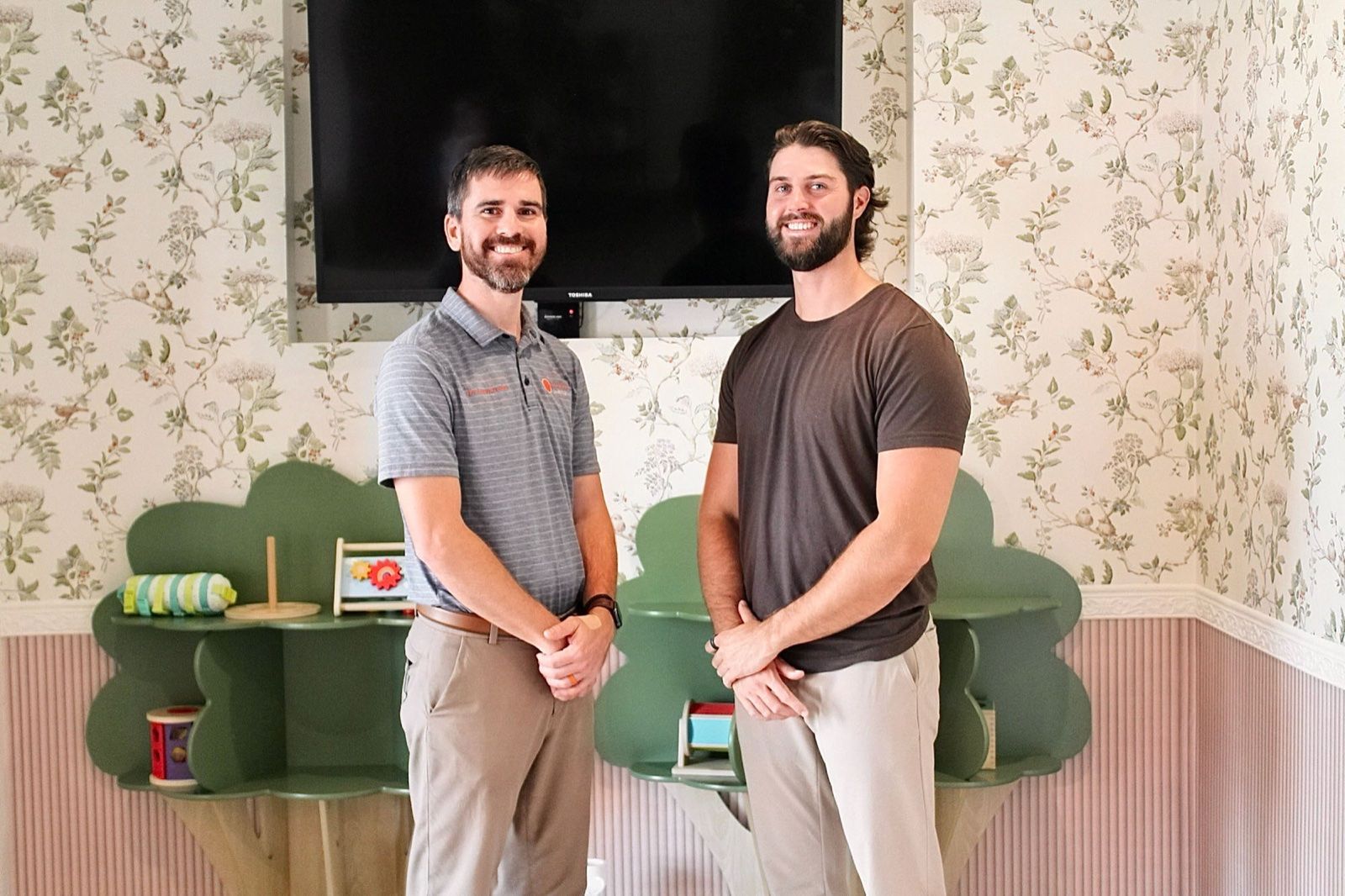
Dr. Laura in the office.
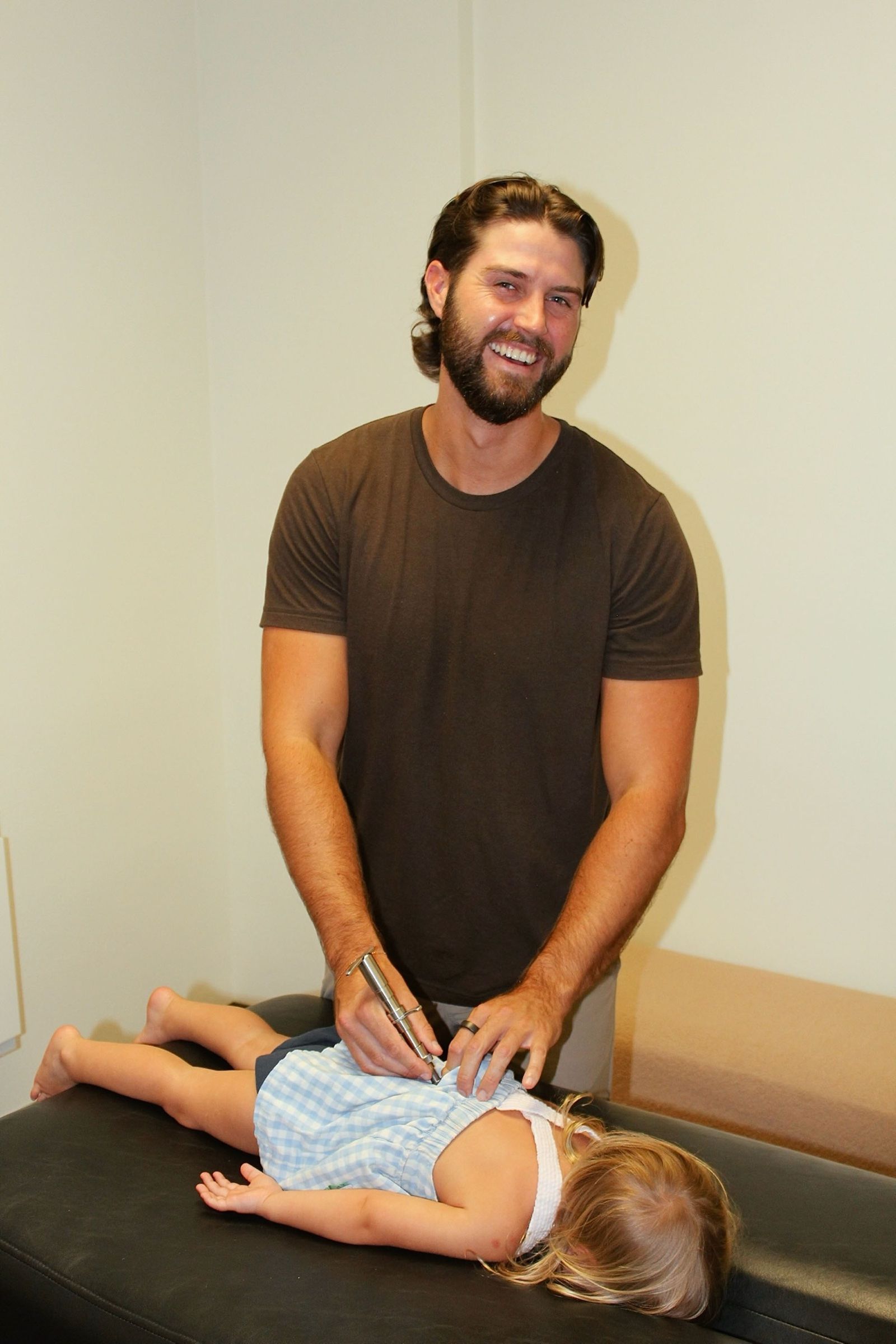
Precision over pressure — care that addresses the cause.
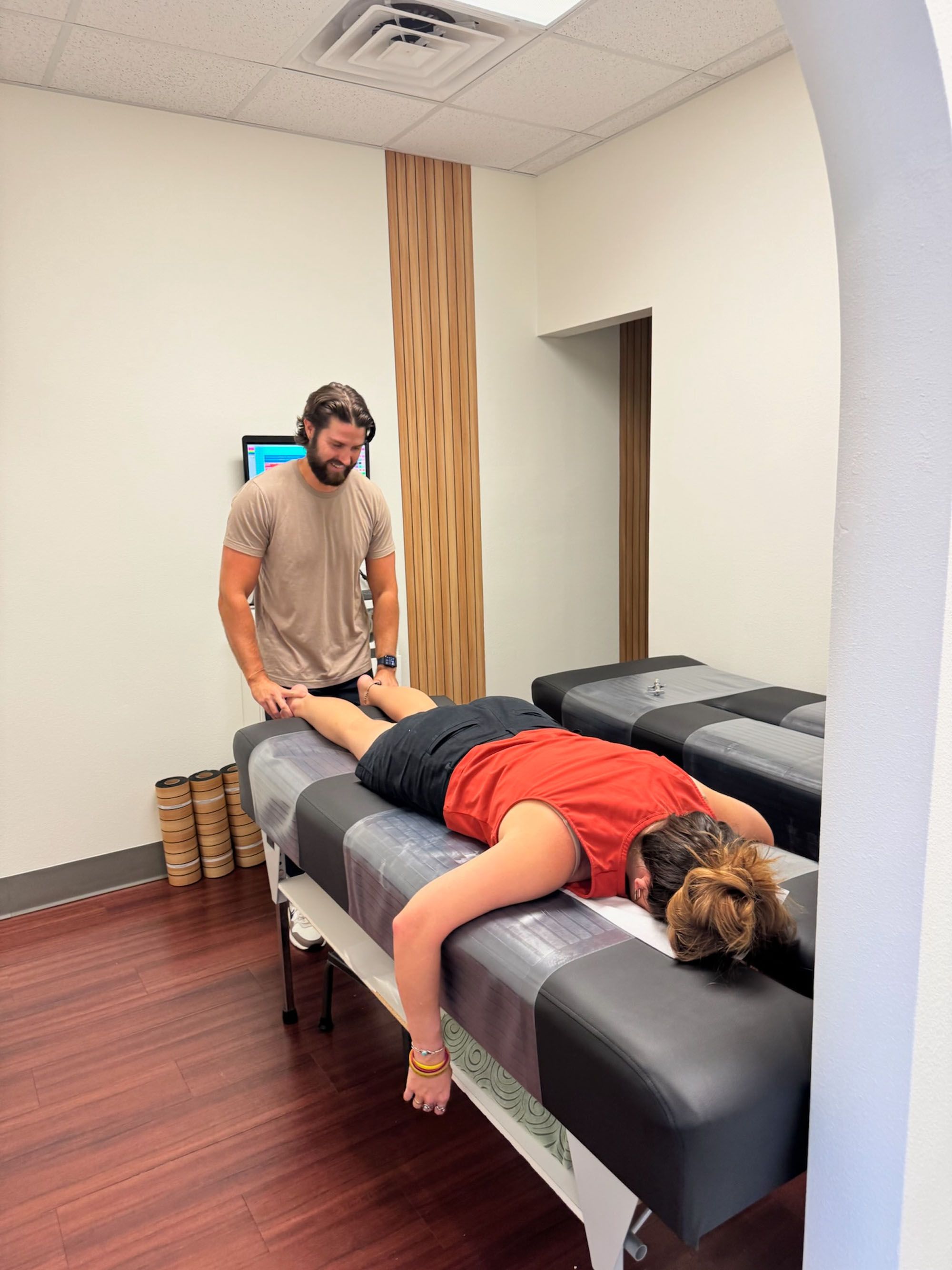
Precision over pressure.
Keep Exploring
See patient case studies
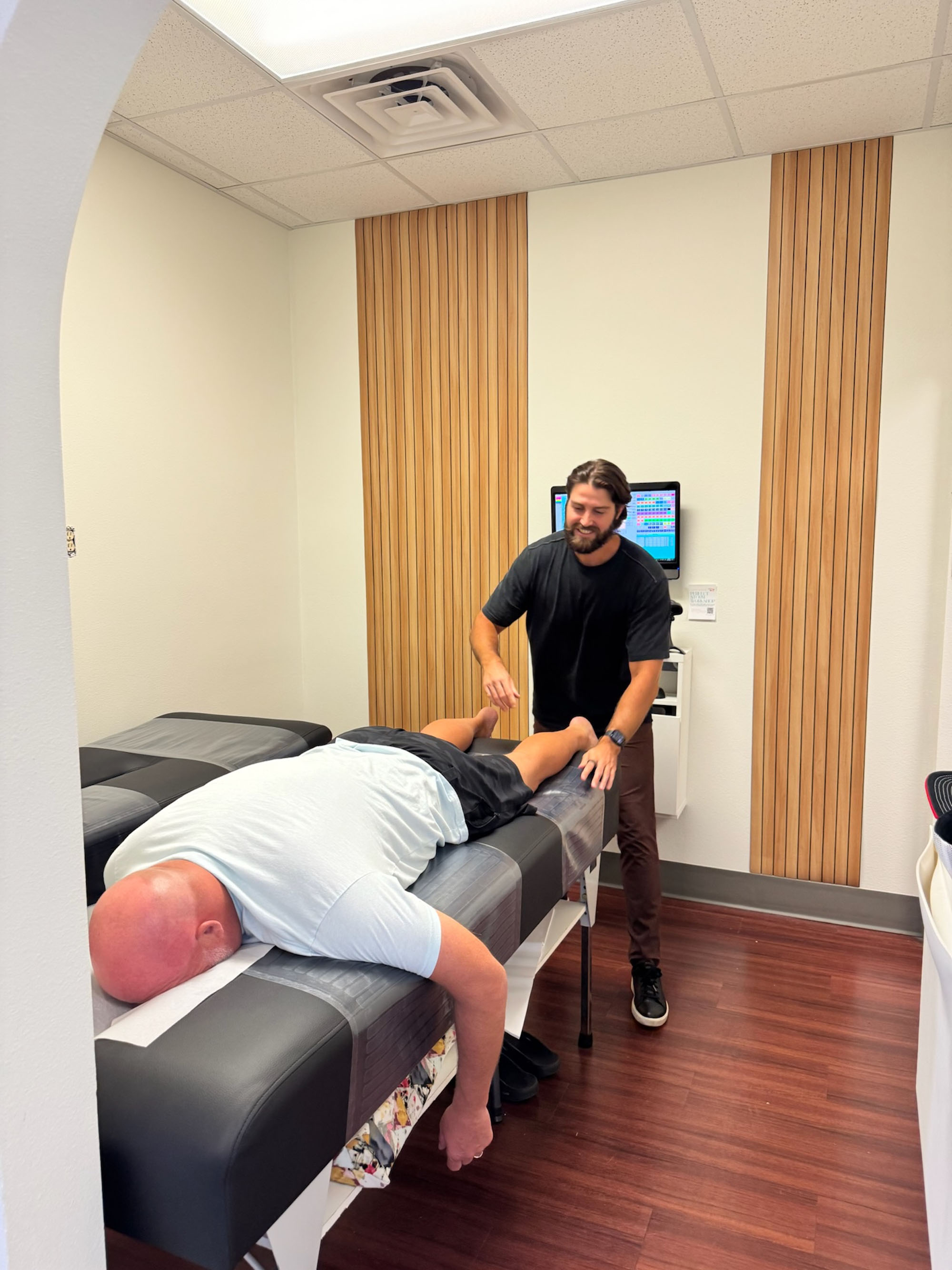
Real Patient Stories
Real patients.
Documented, start to finish.
Ready to Address
the Root Cause?
Schedule a comprehensive exam and let's build a plan that actually works.
*Includes consultation, neurological exam, scans & x-rays (if needed)