
Tailbone Pain When Sitting: Why It Happens and What May Help
You lower yourself into a chair, a car seat, or the couch, and a sharp, deep ache flares at the very bottom of your spine. If you are dealing with tailbone pain when sitting, the short answer is that the tailbone, called the coccyx, takes direct pressure whenever you sit, so anything that irritates it, the joint above it, or the muscles attached to it tends to announce itself the moment you take a seat. Sometimes the cause is as simple as a hard chair or a slouched posture. Other times it follows a fall, pregnancy, or a long stretch of sitting. Below we explain what the tailbone does, the common reasons it hurts, seating habits that may help, and the signs that mean it is time to get checked. This is educational information, not a diagnosis.
Why Sitting Puts the Tailbone Under Pressure
Your tailbone is a small, curved set of fused bones at the very bottom of the spine. It is more than a leftover: pelvic floor muscles, ligaments, and part of the gluteal muscles attach to it, and it forms a small joint with the sacrum above it.
When you sit upright on a firm seat, your weight rests on the two sitting bones of the pelvis. When you slouch or lean back, your pelvis rolls backward and some of that weight shifts onto the tailbone itself. That is why the pain is often worst when you slump, when you move from sitting to standing, or when you sit on a hard or narrow surface.
A few things tend to be happening at once:
- The pelvis is tilted back. Slouching tips the pelvis and pushes the tailbone down and forward into the seat.
- The surrounding muscles are guarding. Tight pelvic floor and gluteal muscles pull on the tailbone and can make it more sensitive.
- The joint is irritated. The small joint between the tailbone and sacrum can get inflamed or stiff.
- The surface is working against you. Hard chairs, bike seats, and narrow benches concentrate pressure on a small area.
Common Causes of Tailbone Pain When Sitting
A fall or direct blow
Landing hard on your backside, whether on ice, a slippery floor, a pickleball court, or a golf cart step, is one of the most common starting points. Bruising, joint irritation, and in some cases a small fracture can all show up as pain that is sharpest when you sit.
Long hours of sitting
Many people have no injury at all. Hours at a desk, in the car, or on a boat gradually load the tailbone and the muscles around it. Our guides to back pain from driving and standing desks and back pain cover how everyday seating habits add up.
Pregnancy and childbirth
Hormonal changes loosen ligaments during pregnancy, and the baby's position or delivery can stress the tailbone and pelvic floor. If this sounds familiar, our post on postpartum pelvic floor recovery and our pelvic floor care page explain how those muscles connect to the area.
Tight hips and weak glutes
When the hip flexors are tight and the glutes are slow to support the pelvis, the lower spine and tailbone region can take on extra strain. See our posts on tight hip flexors and low back pain and weak glutes and low back pain.
Joint or posture changes in the low back and pelvis
Stiffness in the lower spine, the sacroiliac joints, or the sacrum-tailbone joint can refer pain toward the tailbone. This is part of the broader back pain picture, and it is one reason the tailbone is worth looking at together with the low back and hips rather than in isolation.
Pain without any clear cause
Sometimes there is no injury to point to. This is common, and it is a good reason to have the area looked at rather than guessing.
Seating Habits That May Help
There is no single trick that works for everyone, because each person and case is different. These are general, low-risk ideas people often find useful:
- Sit on your sitting bones. Think of rolling slightly forward on the pelvis so your weight rests on the two bony points under you rather than on the tailbone.
- Lean forward slightly. A small forward lean, or a seat that tilts slightly down in front, takes weight off the tailbone.
- Try a cushion with a cutout. Wedge or U-shaped cushions are designed to reduce direct pressure on the tailbone. Choose a firm, supportive one.
- Change position often. Stand, walk, or shift your weight regularly. Even a short break from sitting can ease pressure.
- Avoid long stretches on hard surfaces. Benches, folding chairs, and bike seats tend to be the toughest.
- Support your lower back. A small lumbar roll can help you sit more upright and keep the pelvis from rolling back.
- Keep moving gently. Easy walking is usually more comfortable than staying still. Move within comfortable limits and avoid pushing through sharp pain.
Here in Lakewood Ranch, we hear from golfers, pickleball players, desk workers, and busy parents who all describe the same moment: sitting down and feeling a jolt at the base of the spine. The activity changes, but the pattern is often familiar.
When to Get Tailbone Pain Checked
Mild soreness after a bump that eases as you move is common. It is worth having your tailbone looked at when:
- The pain keeps returning or is getting worse
- It followed a fall, a car accident, or another injury
- Sitting is difficult enough that you avoid it
- Pain travels into the buttock, hip, or leg
- You notice numbness or tingling in the legs or groin area
- The pain does not ease when you change position
Seek urgent medical care right away if tailbone or low back pain comes with loss of bladder or bowel control, numbness in the groin or inner thighs, fever, or a visible swelling or lump with redness at the base of the spine.
What a Visit at The Roots Looks Like
Our team starts by listening: what position sets the pain off, what eases it, and what your day looks like. A full neurological evaluation and any necessary X-rays help us understand how your spine, pelvis, and nervous system are working together. We explain what we are seeing in plain English and discuss options. Because the tailbone sits at the junction of the low back, pelvis, and hips, we look at the whole region, including the lower back pain patterns that often travel with it. You can read more about chiropractic care at The Roots. Every plan is personalized to what your body needs.
Frequently Asked Questions
What causes tailbone pain when sitting?
Common reasons include a past fall, long hours of sitting, pregnancy or childbirth, tight hips and pelvic floor muscles, and irritation of the joint between the tailbone and sacrum. Sometimes no clear cause is found, which is a good reason to have it evaluated.
How can I relieve tailbone pain when I have to sit?
Many people find it helps to sit on the sitting bones rather than slouching, use a firm cushion with a cutout, lean slightly forward, and change position often. These are general comfort ideas and do not replace an evaluation.
Is tailbone pain serious?
Often it is a muscle, joint, or pressure pattern rather than something serious. It deserves a closer look if it follows an injury, keeps coming back, or comes with numbness or weakness. Loss of bladder or bowel control needs urgent medical care.
Can a chiropractor help with tailbone pain?
A chiropractor can evaluate how your low back, pelvis, and hips are moving and discuss gentle options that may help support better movement. Care is individualized, and your first visit begins with listening and an evaluation.
Why does my tailbone hurt more when I stand up?
Moving from sitting to standing asks the pelvic and gluteal muscles to work and shifts load across the tailbone joint. If those tissues are irritated or guarding, that transition can feel sharp.
Ready for Answers?
If sitting keeps setting off your tailbone, you do not have to keep working around it. Come in for a complimentary consultation, meet the team, tour the clinic, and learn our approach. There is no commitment to start care. Book your complimentary consultation and we will take it from there.
Conditions We Treat
Back Pain
Corrective chiropractic care that addresses the structural root cause of back pain — not just masking symptoms with medication.
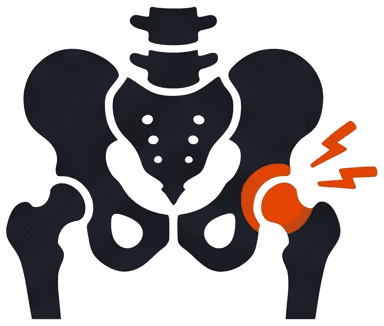
Hip Pain
Hip pain can start in the joint itself — or in the SI joint, the lower back, a tilted pelvis, or the muscles that cross the hip. Because those sources feel remarkably similar, finding the right one comes before any adjustment.
Services Related to This Post
Keep Reading
Related articles
Tight Hip Flexors and Low Back Pain: Why Sitting Makes It Worse
Tight hip flexors can quietly tug on your low back, especially if you sit most of the day. Here's how the connection works, what may help, and when to get checked.
Read articleWeak Glutes and Low Back Pain: The Overlooked Connection
Weak glutes can quietly leave your low back doing extra work. Here's how the hip-and-back connection works, the signs to watch for, and what a proper look involves.
Read articleBack Pain From Driving: How to Set Up Your Seat and Your Commute
Does your low back or hip ache after a commute? Here's why back pain from driving happens, how to set up your seat, and when it's worth getting checked.
Read article