

Neck and Shoulder Pain: Common Causes, Warning Signs, and Relief
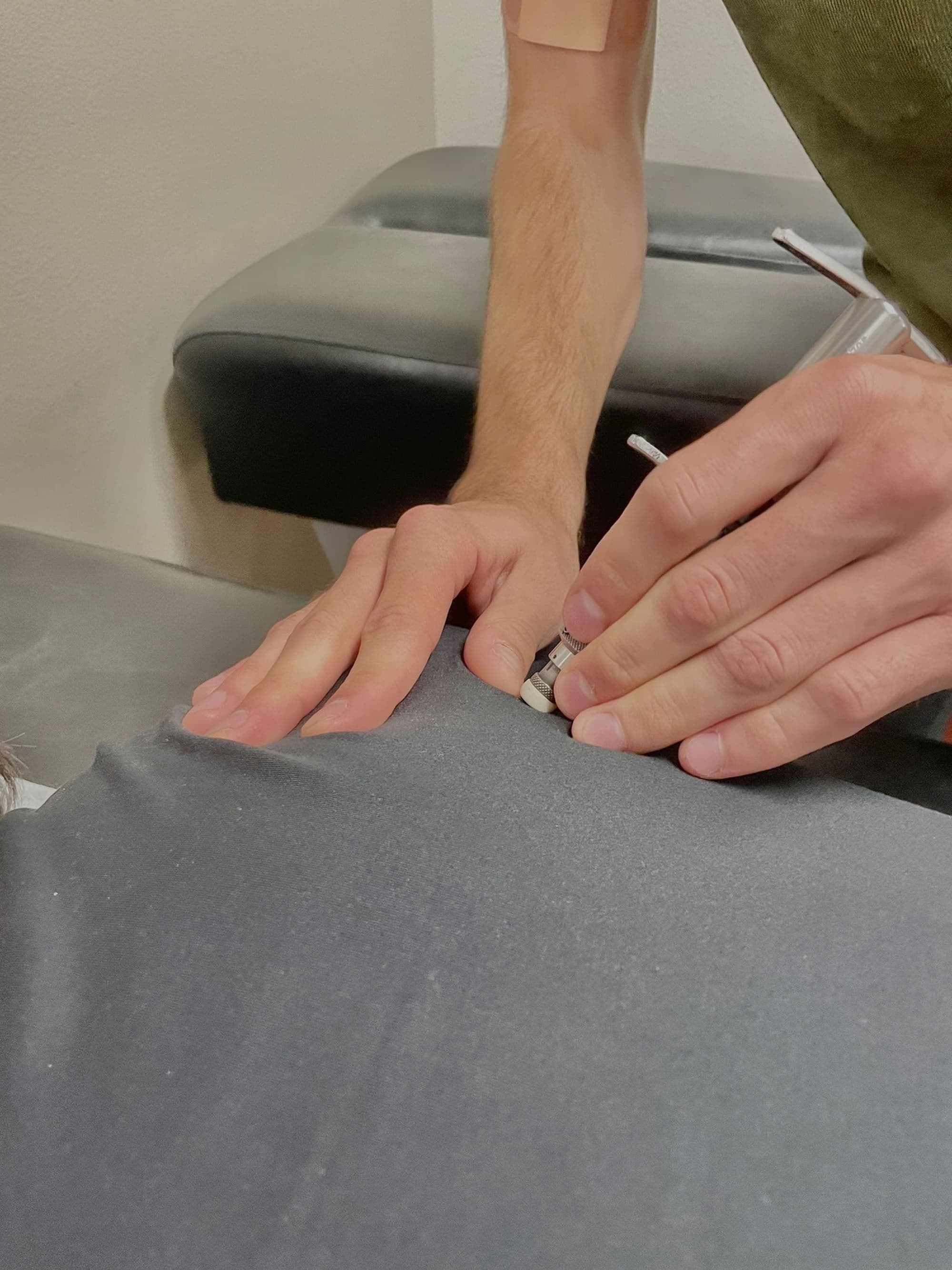
Your neck feels tight, your shoulders feel like they're up around your ears, and by the end of the day the ache has spread from the base of your skull to the top of your shoulder blade. Neck and shoulder pain is one of the most common complaints we hear in our Lakewood Ranch office, and there's a reason the two so often hurt together: they share the same muscles, the same nerves, and the same posture habits. The short answer to what causes neck and shoulder pain: most of the time it's muscle tension, posture, sleep position, or irritation of a nerve root in the neck. Less often, the shoulder joint itself is the source and the pain travels upward, or the pain is a sign of something that needs emergency care. Below, we start with the warning signs, then walk through the common causes, how to relieve neck and shoulder pain at home, and how a nervous-system-focused chiropractic evaluation fits in. This is educational information, not a diagnosis.
When Neck and Shoulder Pain Needs Emergency Care First
Call 911 right away if neck or shoulder pain comes with:
- Chest pressure or pain, shortness of breath, cold sweats, nausea, or pain spreading to the jaw or arm. Heart attack pain can show up in the left shoulder, neck, or jaw, especially in women.
- Sudden weakness or numbness on one side of the face or body, trouble speaking, or a sudden severe headache
- A stiff neck with fever, a severe headache, confusion, or sensitivity to light
- Pain after a fall, a car accident, or any blow to the head or neck
Call your doctor promptly if the pain keeps getting worse, wakes you every night no matter how you lie, comes with unexplained weight loss or fever, or comes with growing weakness in the arm or hand. Pain at the tip of the right shoulder with upper belly pain after meals can come from the gallbladder, which is worth a medical check too.
Why the Neck and Shoulders Hurt Together
The neck and shoulders work as one unit. The upper trapezius runs from the base of your skull out to the tip of each shoulder. The levator scapulae connects your upper neck vertebrae to the top corner of each shoulder blade. And the nerves that control your shoulder, arm, and hand all exit the spine in your lower neck. So when one part is strained, guarded, or irritated, the other usually feels it.
That shared wiring is also why the location of your pain matters. A dull ache across the top of both shoulders tells a different story than a sharp pain that runs from one side of the neck down into the arm. Our guide to stiff neck and shoulders covers the tight, achy version in more detail.
Common Causes of Neck and Shoulder Pain
Muscle Tension and Stress
Stress shows up in the body before you notice it in your mind. Many people carry it by shrugging their shoulders slightly, clenching their jaw, and holding their breath high in the chest. Over hours, that low-level guarding tires the upper trapezius and the small muscles at the base of the skull. The result is a band of ache across the top of the shoulders, often with tender knots and a tension headache. Stress also keeps the nervous system on alert, which can make the body more sensitive to pain signals in general.
Posture, Screens, and Desk Work
Your head weighs about as much as a bowling ball. When it drifts forward to look at a phone or laptop, the muscles at the back of your neck and shoulders have to work much harder to hold it up. Hours of that position is a common source of tech neck, with rounded shoulders, a tight chest, and an ache that builds through the workday. Driving, reading in bed, and long stretches of crafting or gaming can do the same thing.
Sleeping Position
Stomach sleeping keeps your head turned to one side for hours. A pillow that's too high or too flat bends the neck sideways all night. Sleeping on one arm can compress the shoulder. Waking up stiff and loosening as the day goes on is a clue that your sleep setup is part of the picture.
A Pinched Nerve in the Neck
When a disc bulge, arthritis, or narrowing near the spine irritates a nerve root in the neck, the pain often travels. You may feel it in the side of the neck, across the top of the shoulder, between the shoulder blades, and down the arm, sometimes with tingling or numbness in the fingers. Symptoms that change when you turn or tilt your head point toward the neck as the source. Our page on a pinched nerve explains how this pattern works.
Shoulder Joint Problems That Travel Upward
Rotator cuff irritation, bursitis, impingement, and a frozen shoulder are joint problems, but they change the way you move. Most people shrug and hike the shoulder to protect it, which overloads the neck. Pain that's worse when you lift your arm or reach behind your back, and that barely changes when you move your head, points toward the shoulder itself.
Neck and Shoulder Pain on One Side
Pain on just one side often comes from habits that load one side more: carrying a bag on the same shoulder, holding a phone between your ear and shoulder, sleeping on the same side every night, or a mouse arm that never gets a break. A one-sided pinched nerve or a shoulder problem on that side is also common. Left-sided pain deserves a quick check against the heart warning signs above. We break down one-sided patterns in our post on neck pain on the left side, and pain that settles between the shoulder blades is covered in pain between the shoulder blades.
How to Relieve Neck and Shoulder Pain at Home
For everyday muscle and posture pain, these simple steps may help ease neck and shoulder pain:
- Move gently, often. Slow shoulder rolls, chin tucks, and turning your head side to side within a comfortable range keep the area from locking up. Stop if anything causes sharp pain, numbness, or tingling.
- Use heat for tight, achy muscles. A warm shower or a heat wrap on the upper shoulders can relax guarding muscles. Ice may feel better for a fresh strain. Keep either one to about 15 to 20 minutes with a cloth barrier.
- Raise your screens. Put the top of your monitor at eye level and hold your phone up instead of looking down. Keep your elbows close to your body when you type.
- Break up long positions. Set a reminder to stand, roll your shoulders, and look around the room every 30 to 45 minutes.
- Breathe low. Slow breaths into your belly, rather than your upper chest, help the shoulder muscles let go and give your nervous system a cue to calm down.
- Lighten the load. Switch shoulders with your bag, or use a backpack with both straps.
If you're wondering about over-the-counter pain relievers, ask your doctor or pharmacist what's safe for you, especially if you have other health conditions or take other medications.
How to Sleep With Neck and Shoulder Pain
Sleeping on your back or side is usually easier on the neck than sleeping on your stomach. The goal is a pillow that keeps your head level with the rest of your spine. On your back, that's usually a lower pillow that supports the curve of your neck. On your side, it's a slightly thicker pillow that fills the space between your ear and the mattress. If one shoulder hurts, sleep on the other side and hug a pillow so the sore arm rests in front of you instead of falling forward. Our post on shoulder pain when sleeping has more ideas.
How Chiropractic Care Fits In
When neck and shoulder pain keeps coming back, it usually means something is still keeping the area on guard. At The Roots Health Centers, our team starts by listening: where the pain sits, what sets it off, and what you've already tried. A full neurological evaluation looks at how your neck moves, how your shoulder moves, your posture, your strength and reflexes, and whether nerve irritation is part of the picture. Any necessary X-rays are taken only when they would add useful information.
If care is a good fit, our doctors use Torque Release Technique, a low-force approach with no twisting or cracking of the neck. The goal is to support how your spine and nervous system work together so the muscles around your neck and shoulders don't have to stay braced. We'll explain what we find in plain language. Each person and case is different, so we take a personalized approach rather than a set plan, and if anything points to a problem outside our scope, we'll tell you and refer you to the right provider. You can read more on our neck pain page.
Frequently Asked Questions
What is the reason for shoulder and neck pain? The most common reasons are muscle tension and stress, posture habits like looking down at screens, sleep position, and irritation of a nerve root in the neck. Shoulder joint problems and age-related changes in the neck can also play a part. Less often, neck and shoulder pain is a sign of a heart or other medical problem, so know the warning signs above.
How do you relieve neck and shoulder pain fast? Gentle movement, heat on tight muscles, a break from the position that set it off, and slow belly breathing often help within a short time. If pain is severe, keeps returning, or comes with numbness or weakness, get it checked.
How should I sleep with neck and shoulder pain? On your back or side, with a pillow that keeps your head level with your spine. Avoid stomach sleeping, and if one shoulder hurts, sleep on the other side and hug a pillow.
When should I worry about neck and shoulder pain? Call 911 for chest pressure, shortness of breath, one-sided weakness, trouble speaking, or a stiff neck with fever and a severe headache. See a doctor soon for pain after an injury, pain that keeps getting worse, or growing arm weakness.
If neck and shoulder pain has become part of your everyday life, you don't have to just live with it. Book a complimentary consultation at The Roots Health Centers in Lakewood Ranch. Meet the team, tour the clinic, and learn our approach, with no commitment to start care.
The Roots Health Centers, 8209 Natures Way, Unit 115, Lakewood Ranch, FL 34202. (941) 877-1507.
Conditions We Treat

Neck Pain
Precise cervical adjustments and decompression that restore alignment, reduce nerve pressure, and eliminate chronic neck pain at its source.
Shoulder Pain
Impingement, rotator cuff strain, bursitis, tendonitis, referred pain from the neck — shoulder pain has more possible sources than almost any other complaint. Naming the right one is the difference between care that works and months of chasing symptoms.
Pinched Nerve
A pinched nerve is a mechanical problem — a disc, joint, or inflamed tissue pressing on a nerve where it exits the spine. The pain, tingling, or numbness travels the nerve's path, which is why arm symptoms so often start in the neck.
Services Related to This Post
Keep Reading
Related articles
Neck Pain on the Left Side: Causes, Red Flags, and What Helps
Most neck pain on the left side comes from tight muscles, irritated joints, or a pinched nerve, not something serious. Learn the common causes, the red flags, and simple steps that may help.
Read articlePain Between the Shoulder Blades: Common Causes and What Helps
Aching or burning pain between your shoulder blades is common, and it often starts somewhere else. Here are the usual causes, the warning signs, and what may help.
Read articlePinched Nerve in Neck: Symptoms and How to Find Relief
Sharp pain, numbness, or a burning ache running from your neck into your arm? Here's how to recognize a pinched nerve in the neck, what causes it, and how to find relief.
Read article